Category: Apiaceae

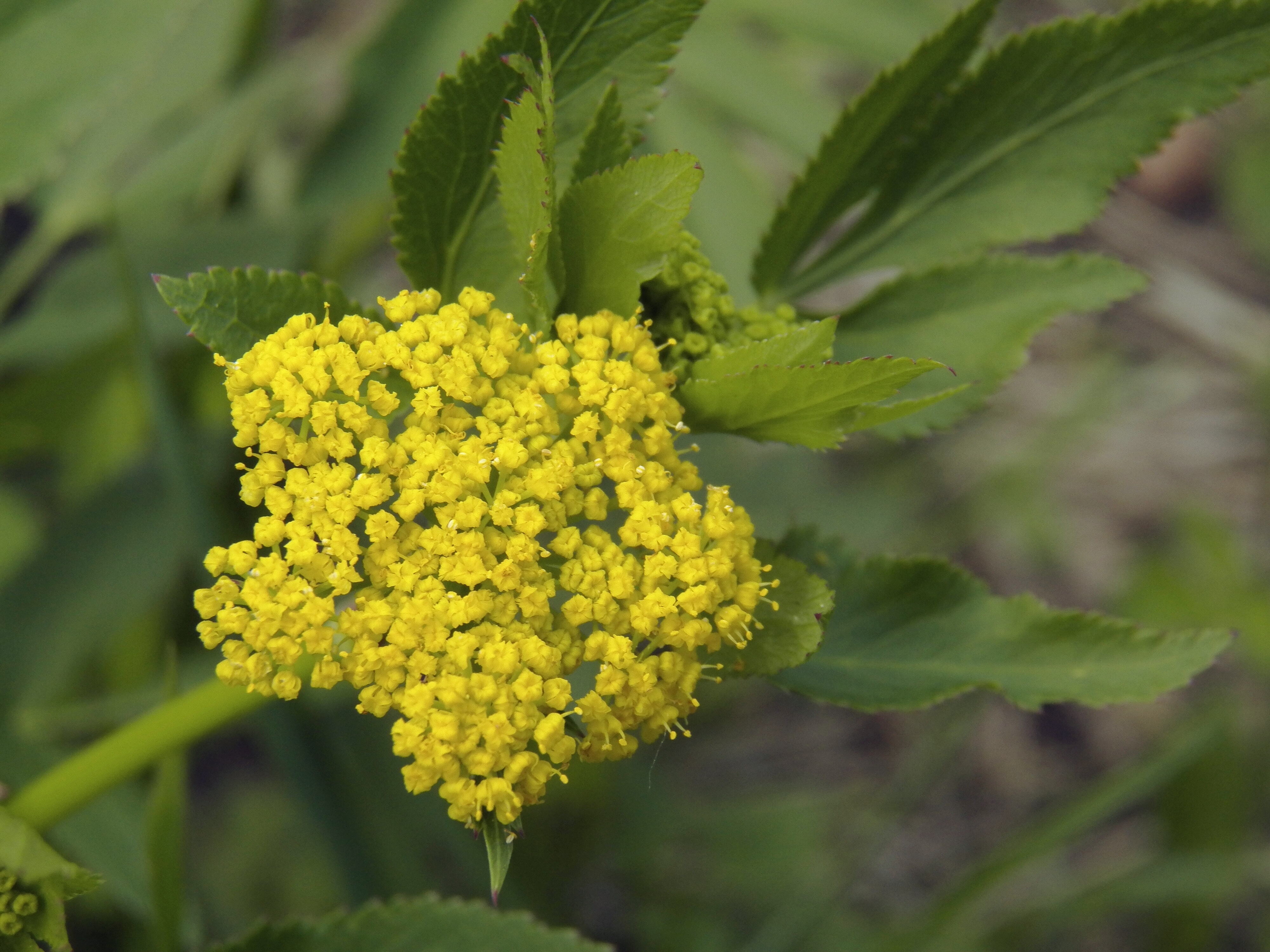
  • Golden Alexanders (Zizia aurea)

    Golden Alexanders (Zizia aurea)
    Photographed April 21.

    The bright golden flowers light up the edge of the woods in mid-spring; they belong to the umbel-bearing family Umbelliferae or Apiaciae, the parsley or carrot family, and they may remind you of a yellow version of Queen Anne’s Lace. These plants were blooming in Bird Park (in Mount Lebanon) and the Kane Woods Nature Area (Scott Township).

    Golden Alexanders (Zizia aurea)

    For a description of the species, see the Zizia aurea reference page.

    Golden Alexanders (Zizia aurea)
    Golden Alexanders (Zizia aurea)
    Golden Alexanders (Zizia aurea)
    zia aurea in the Kane Woods
    Photographed April 24.
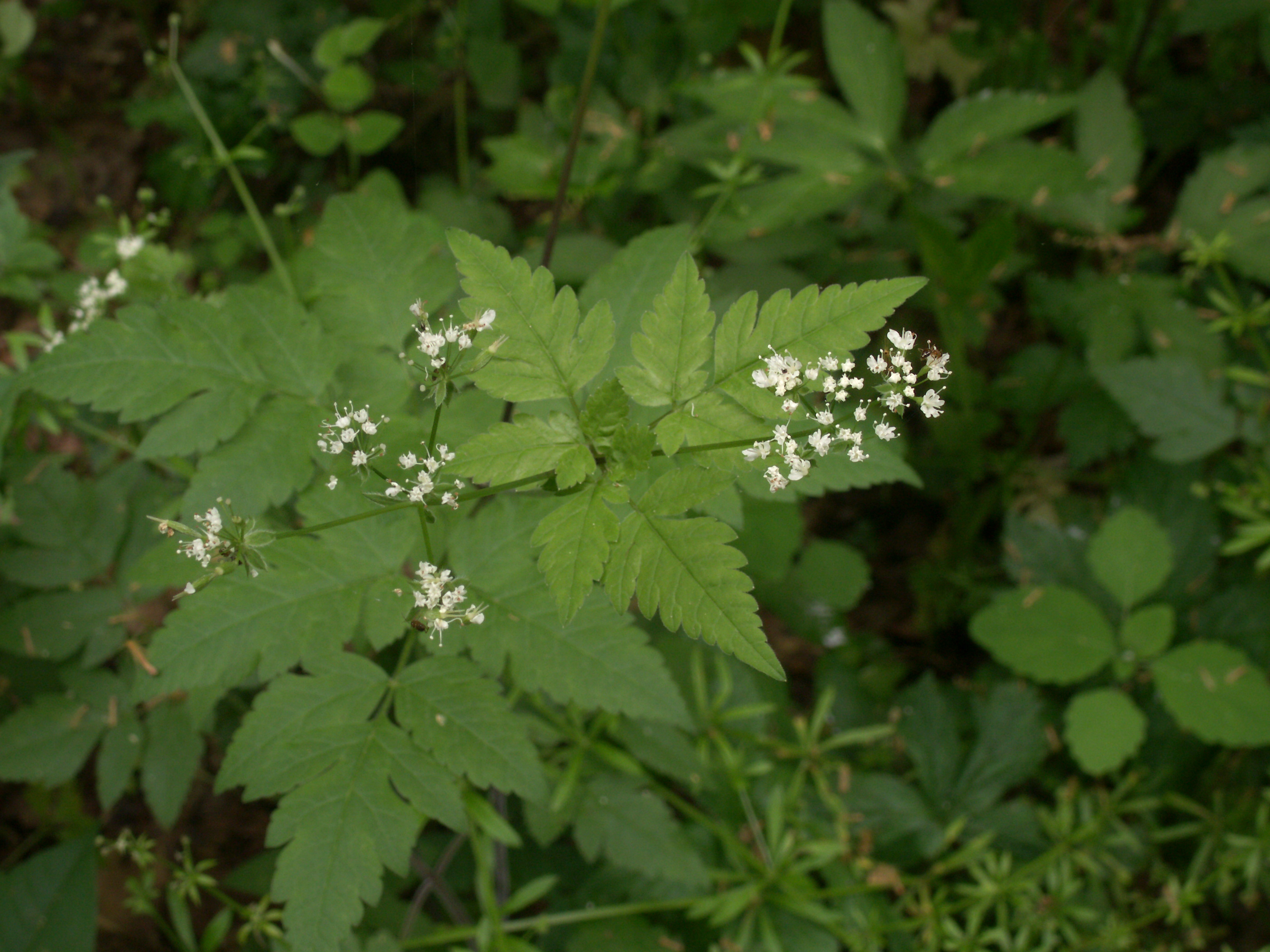
  • Goutweed (Aegopodium podagraria)

    Goutweed (Aegopodium podagraria) blooming in Schenley Park, Pittsburgh
    Photographed June 12.

    A foreign invader that likes damp, shady spots, this plant can be found in abundance in the stream valleys in Schenley Park.

    For a description of the species, see the Aegopodium podagraria reference page.

    Goutweed (Aegopodium podagraria) blooming in Schenley Park, Pittsburgh

    Comments
  • A Walk in Bird Park, Mount Lebanon

    Geranium maculatum
    Wild Geranium (Geranium maculatum).

    Mid-spring flowers are at their peak in the woods, but some of the earlier spring flowers are still blooming.

    Wild Geranium (Geranium maculatum), photographed May 16.
    Dame’s Rocket (Hesperis matronalis).
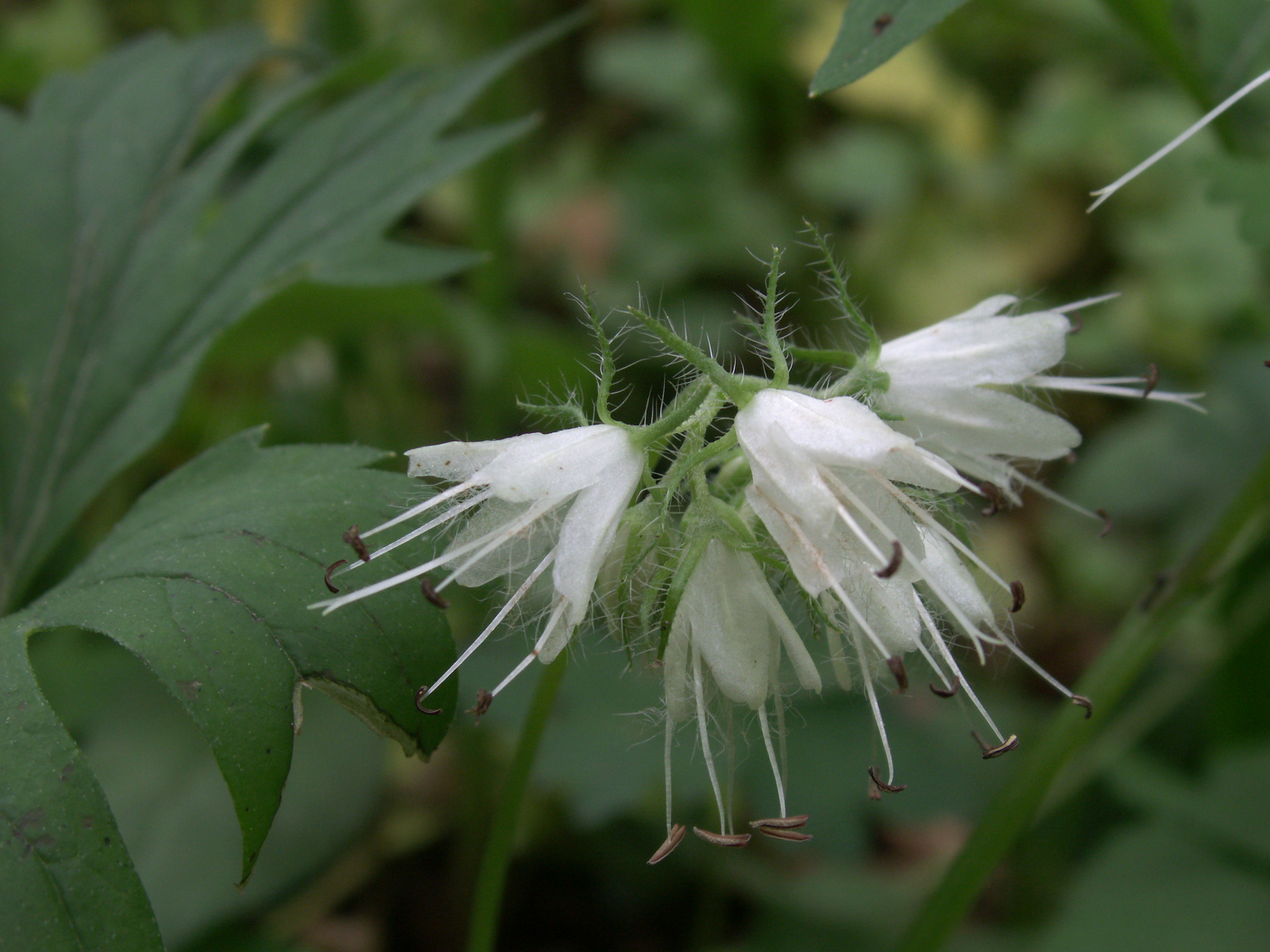
    Virginia Waterleaf (Hydrophyllum virginianum).
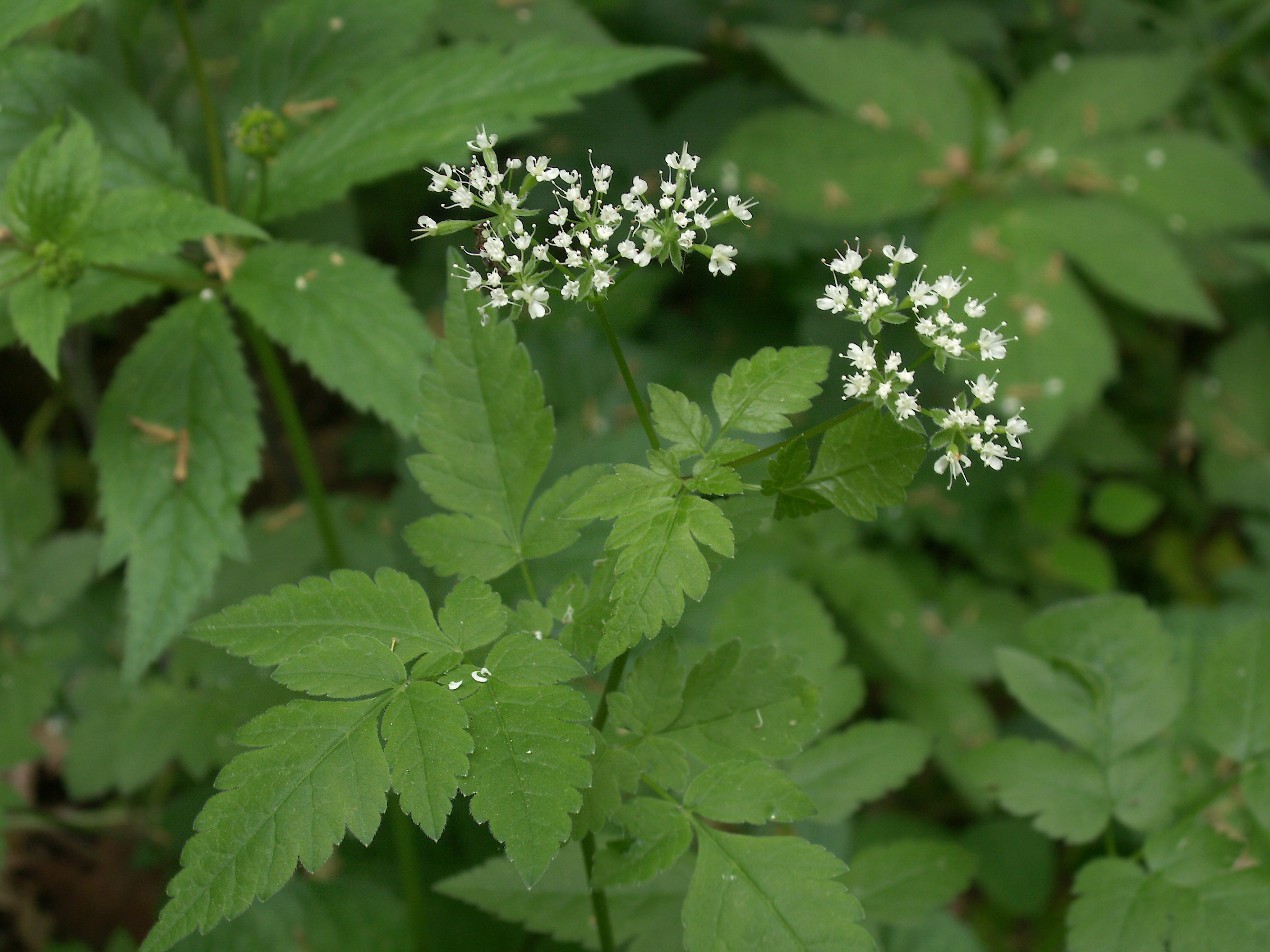
    Long-Styled Sweet Cecily (Osmorhiza longistylis).
    Long-Styled Sweet Cecily (Osmorhiza longistylis).
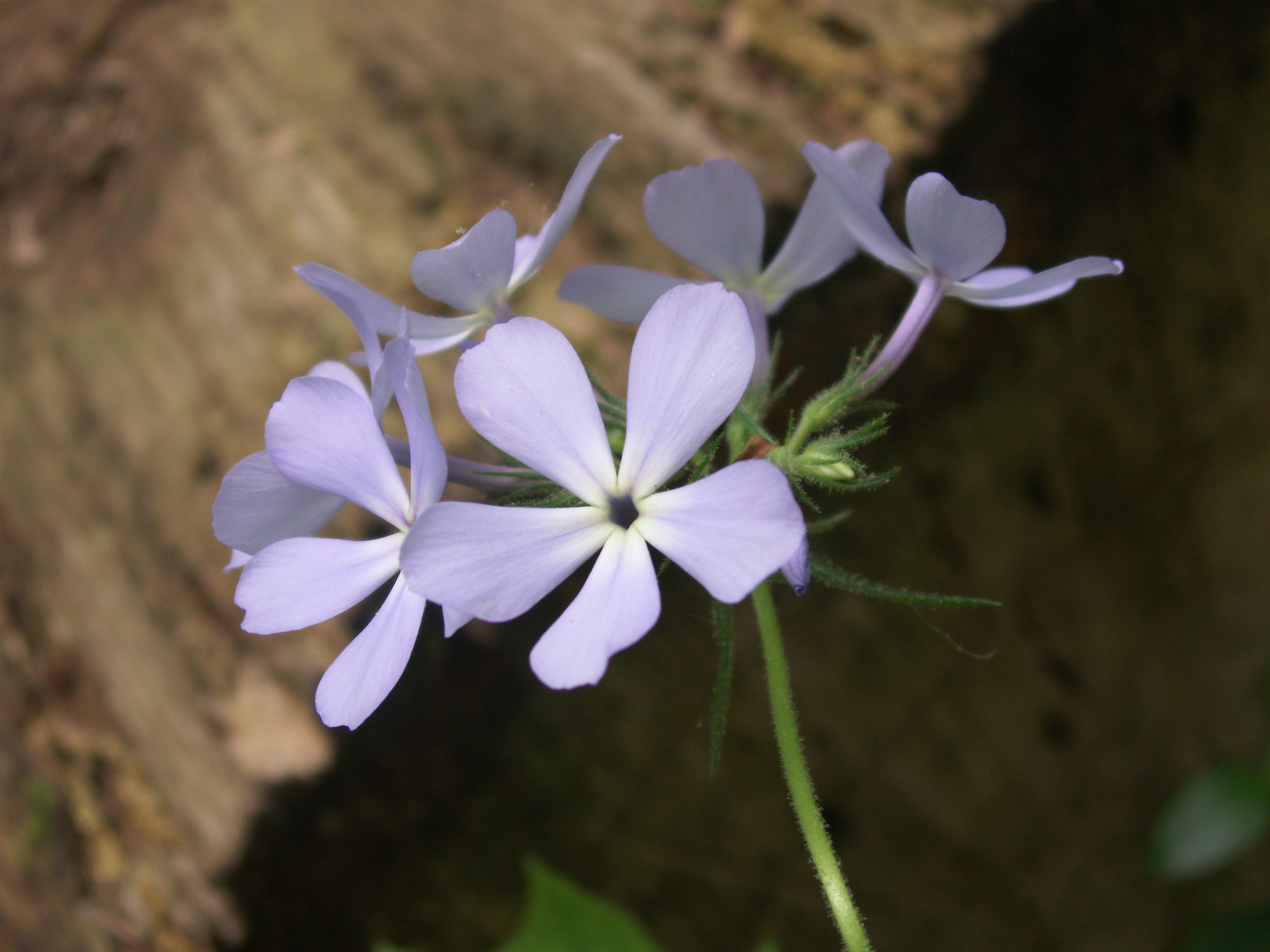
    Blue Phlox (Phlox divaricata).
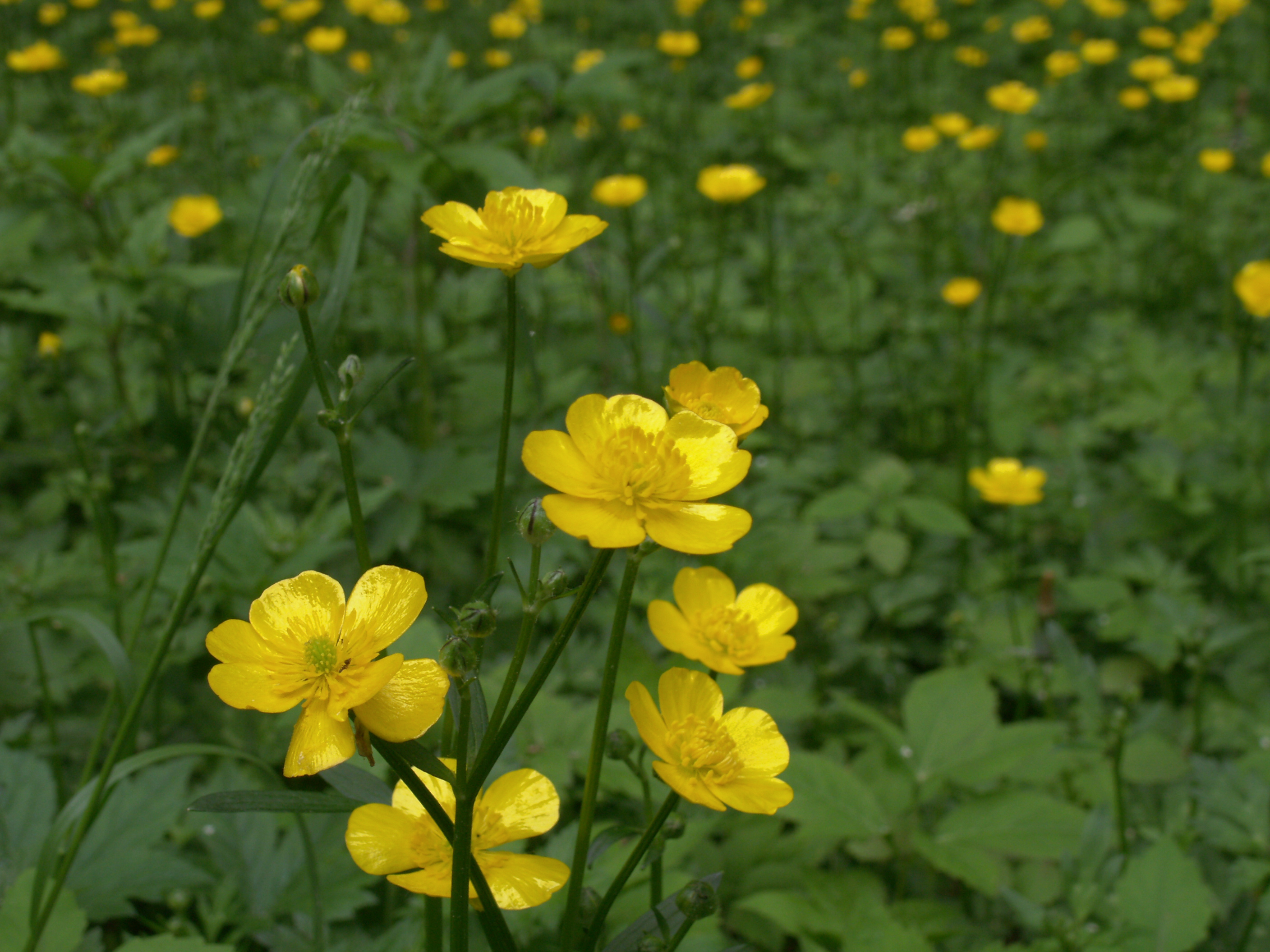
    Creeping Buttercup (Ranunculus repens).

  • Poison Hemlock (Conium maculatum)

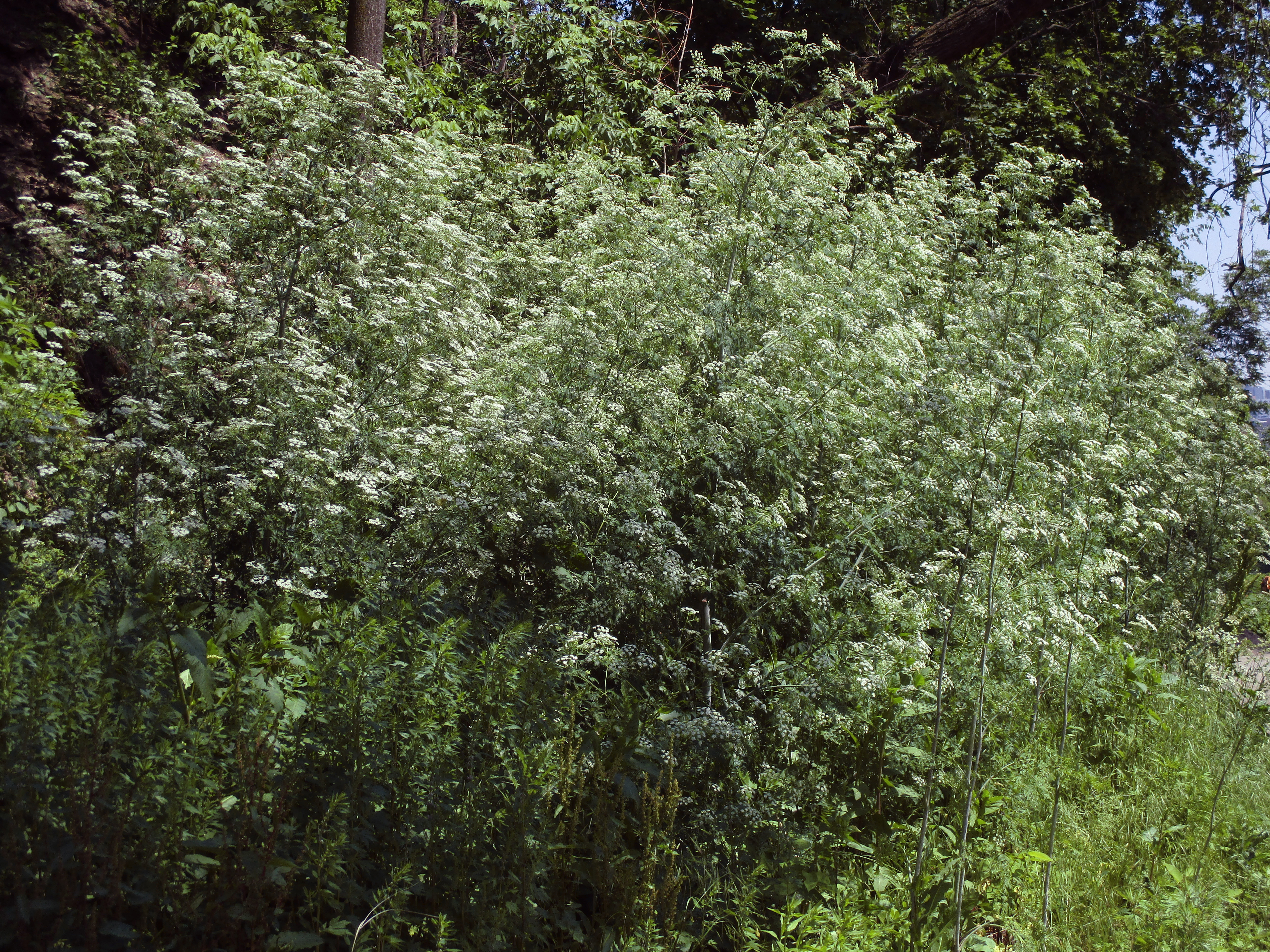
    Dense stand of Poison Hemlock

    Poison Hemlock grows very tall very fast. It bears innumerable compound umbels of flowers like Queen Anne’s Lace, but the plants are much larger (and of course much more poisonous), usually with a whitish bloom on the stalks. It was almost certainly introduced into this country intentionally, which tells us more about our ancestors than we wanted to know.
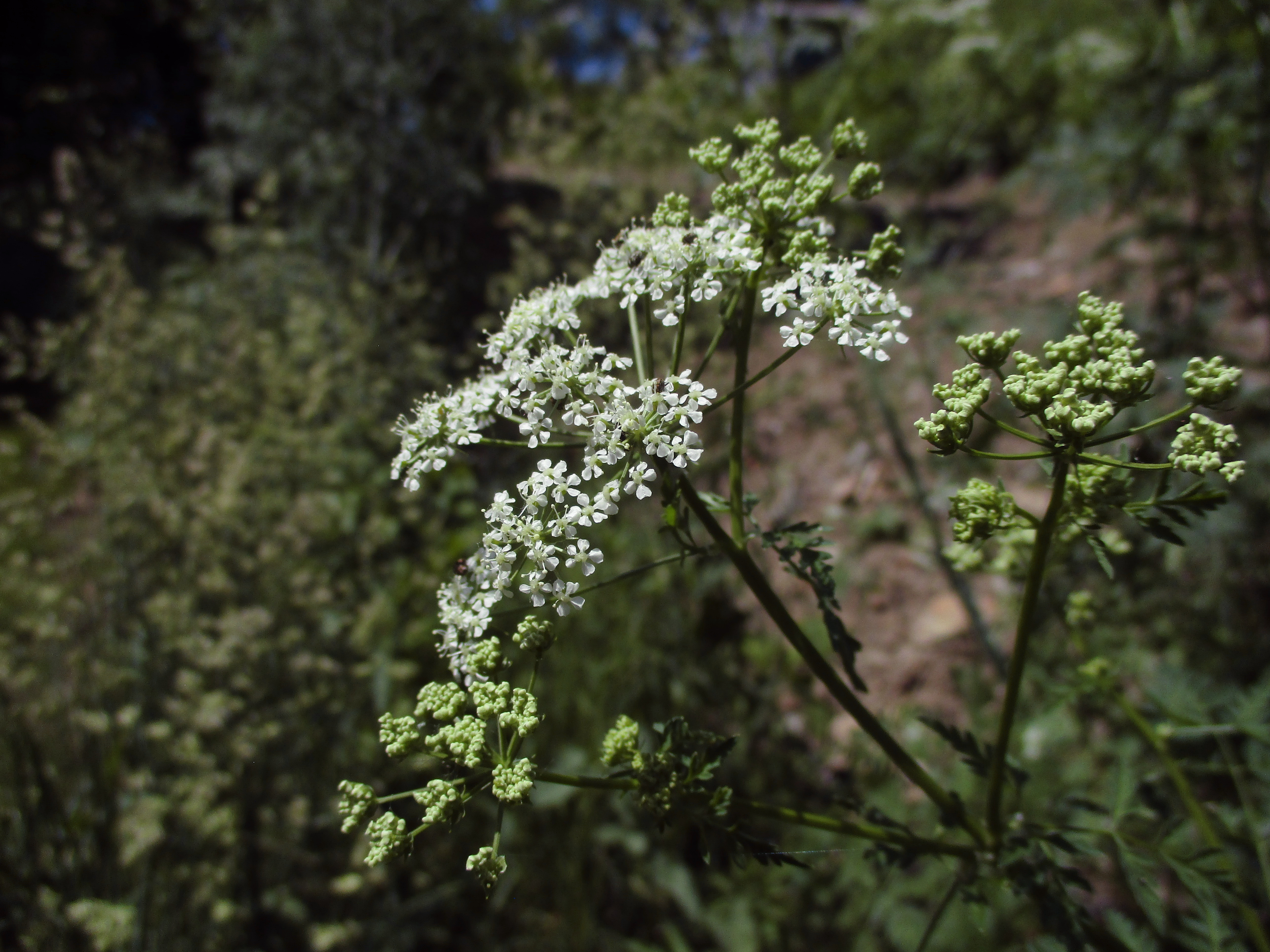
    Compound umbel

    These plants were growing in South Side Park, where they were photographed May 30.
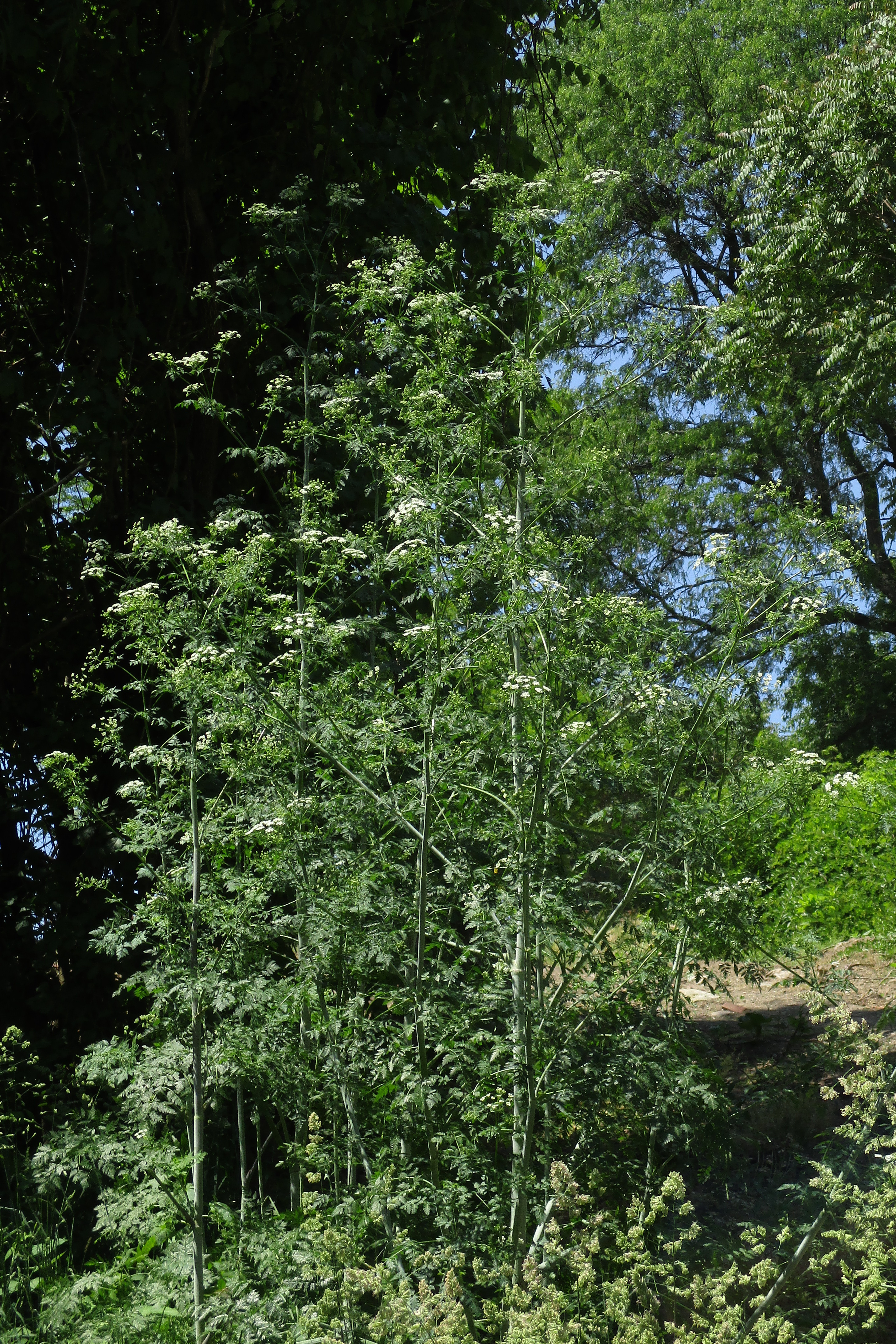
    Conium maculatum

    For a fuller description, see the Conium maculatum reference page.

  • Goutweed (Aegopodium podagraria)

    Photographed May 29.

    Goutweed is a popular groundcover that has gone native. It likes shade and damp areas, and it can take over large tracts of wet forest. The compound umbels (that is, flat-topped clusters of flat-topped clusters) of flowers will remind you of its relative Queen Anne’s Lace (Daucus carota); the leaves bear a superficial resemblance to elderberry leaves, and the flower umbels to elderberry umbels, whence Goutweed is also known as Ground Elder. It blooms in late spring. Some of the plants in these pictures were found in Bird Park, Mount Lebanon, and the others in West End Park.

    Photographed June 3.

    The plants are similar to Spotted Cowbane (Cicuta maculata), and Father Pitt has misidentified them in the past. Here are differences to look for:

    Spotted Cowbane has purplish stems or stems “streaked with purple” (says Gray); Goutweed has green stems.

    The stalks of Spotted Cowbane are fatter than the stalks of Goutweed.

    The flower clusters or “compound umbels” of Spotted Cowbane are more numerous and sloppier (“pedicels very unequal”) than the compound umbels of Goutweed.

    Finally, Goutweed tends to grow in large and dense colonies, which is why it was popular as a ground cover.

    Gray describes the genus and the species:

    AEGOPÔDIUM L. GOUTWEED. Fruit ovate, glabrous, with equal filiform ribs, and no oil-tubes; stylopodium conical and prominent; seed nearly terete. — A coarse glabrous perennial, with creeping rootstock, sharply toothed ovate leaflets, and rather large naked umbels of white flowers. (Name from aix, goat, and podiona little foot, probably from the shape of the leaflets.)

    A. podagrària L. —Waste-heaps, etc., e. Mass. to Del. (Adv. from Eu.) [It has since spread further, mostly by escaping from gardens.]