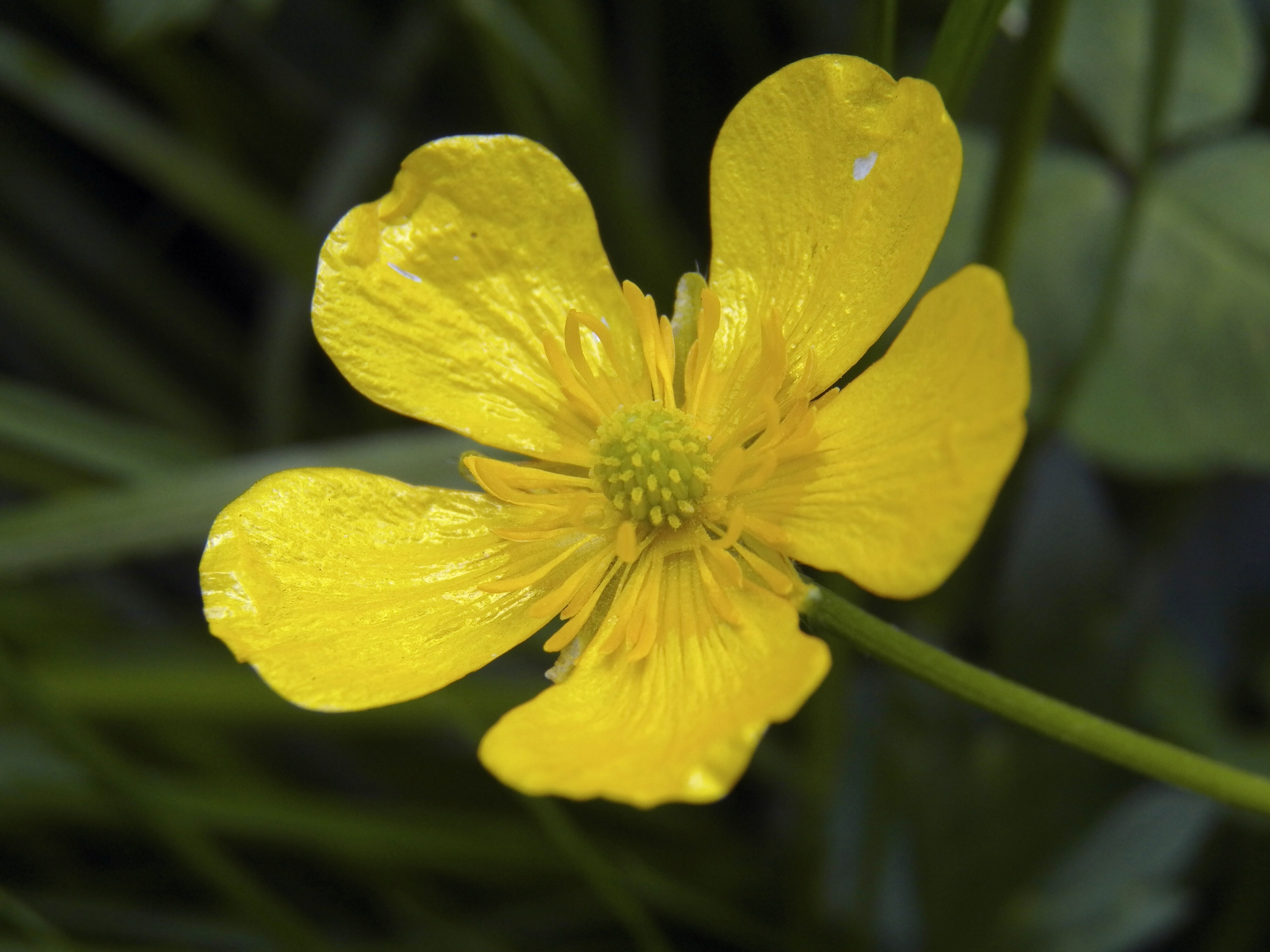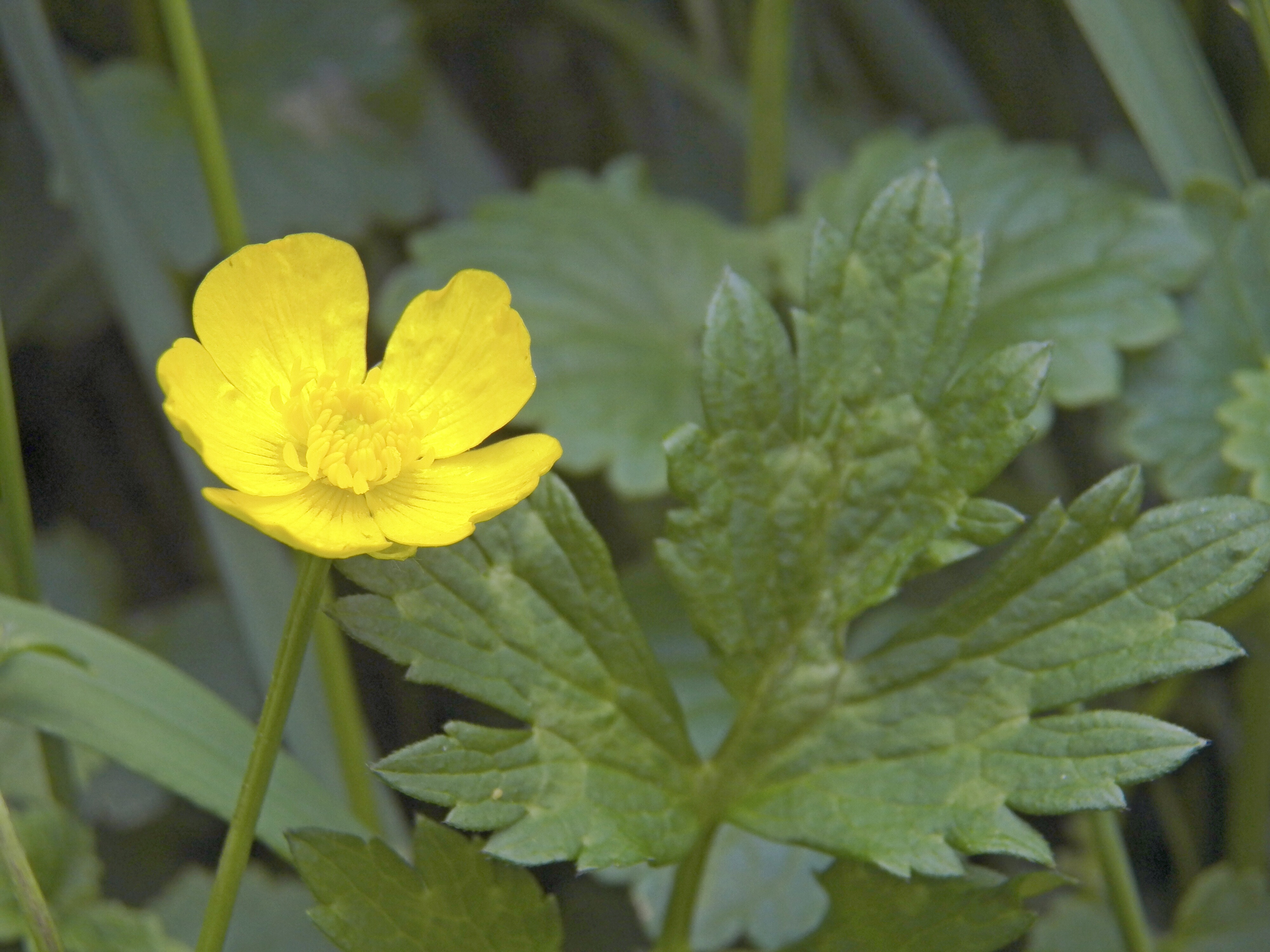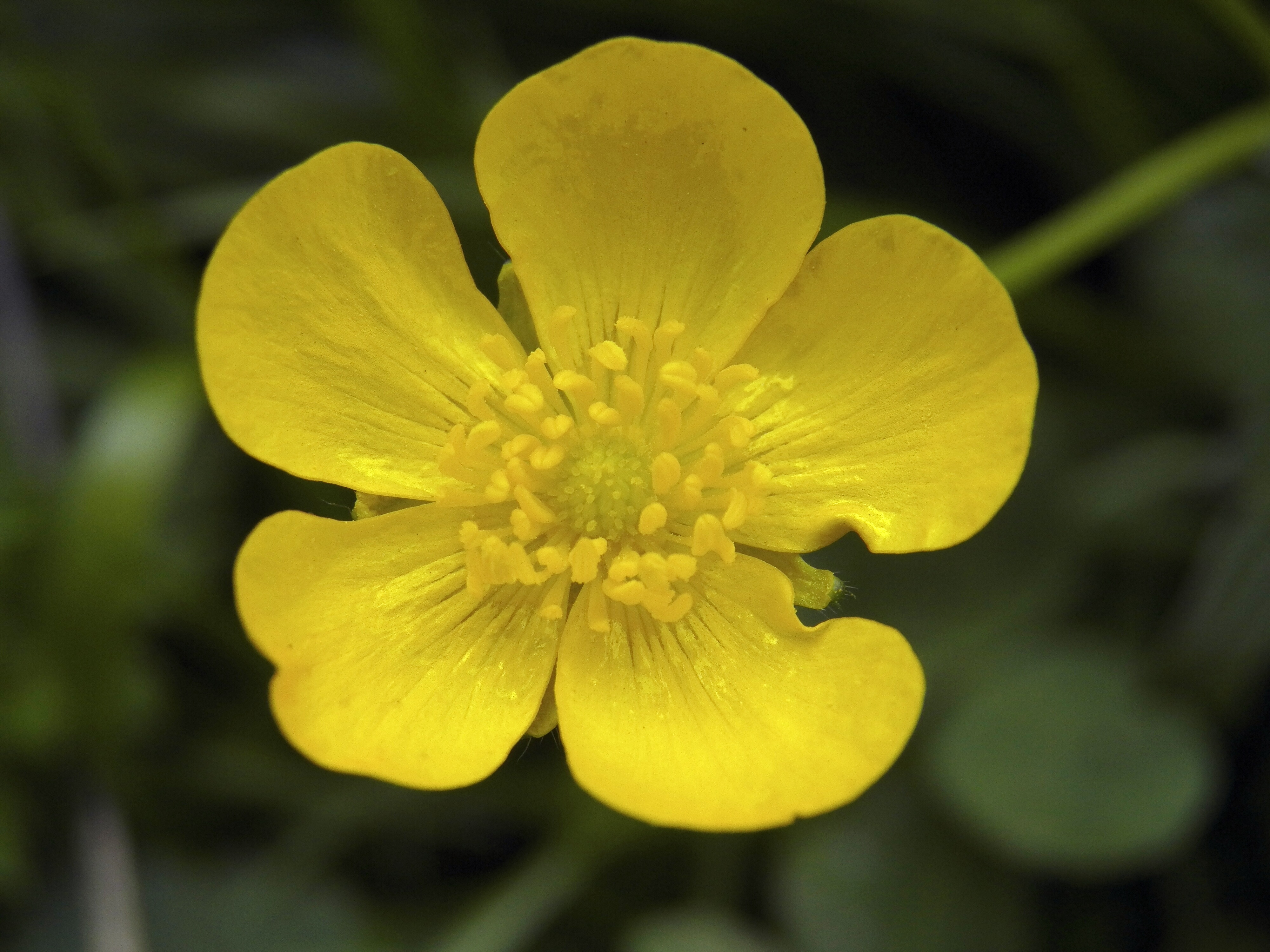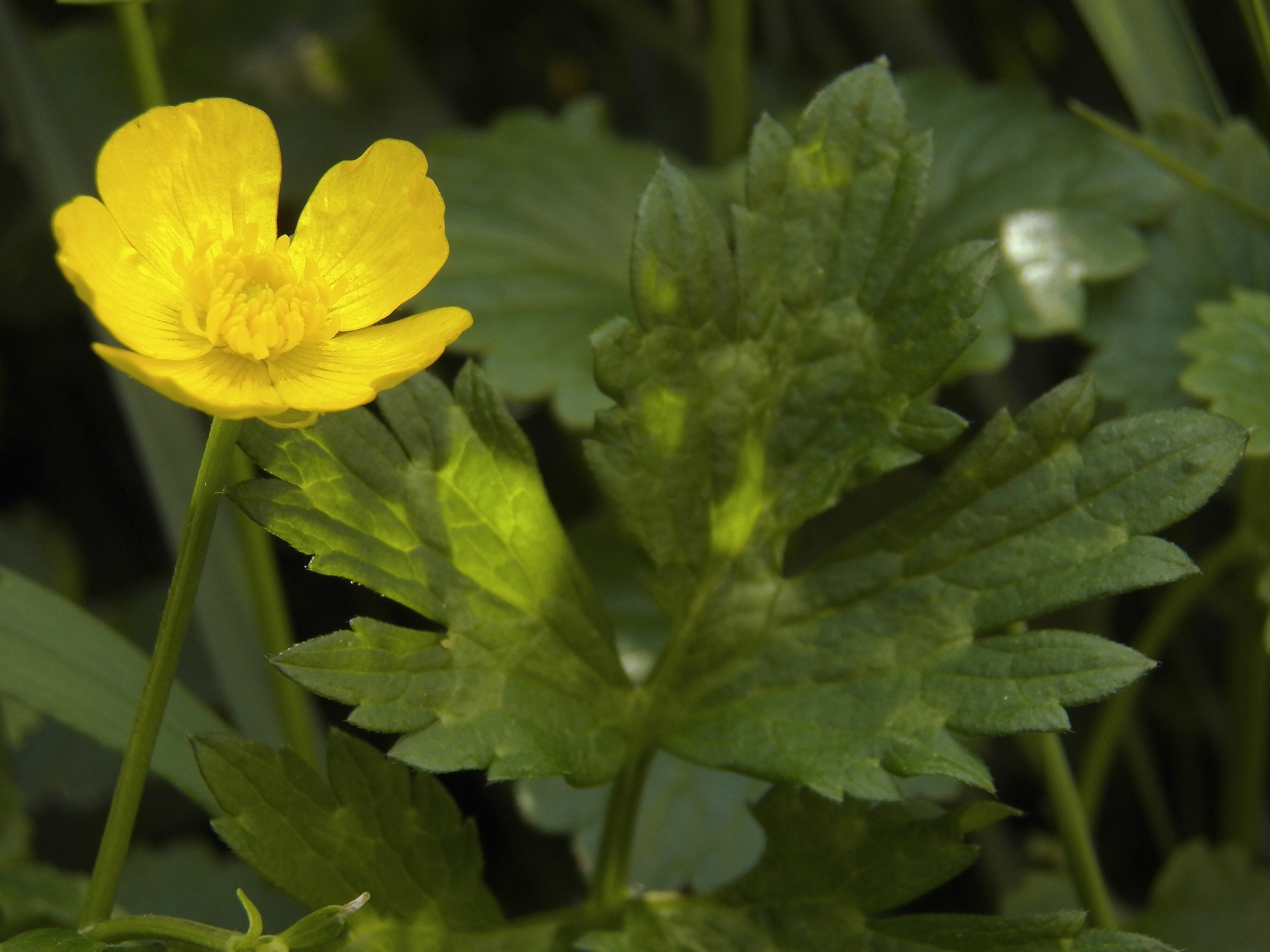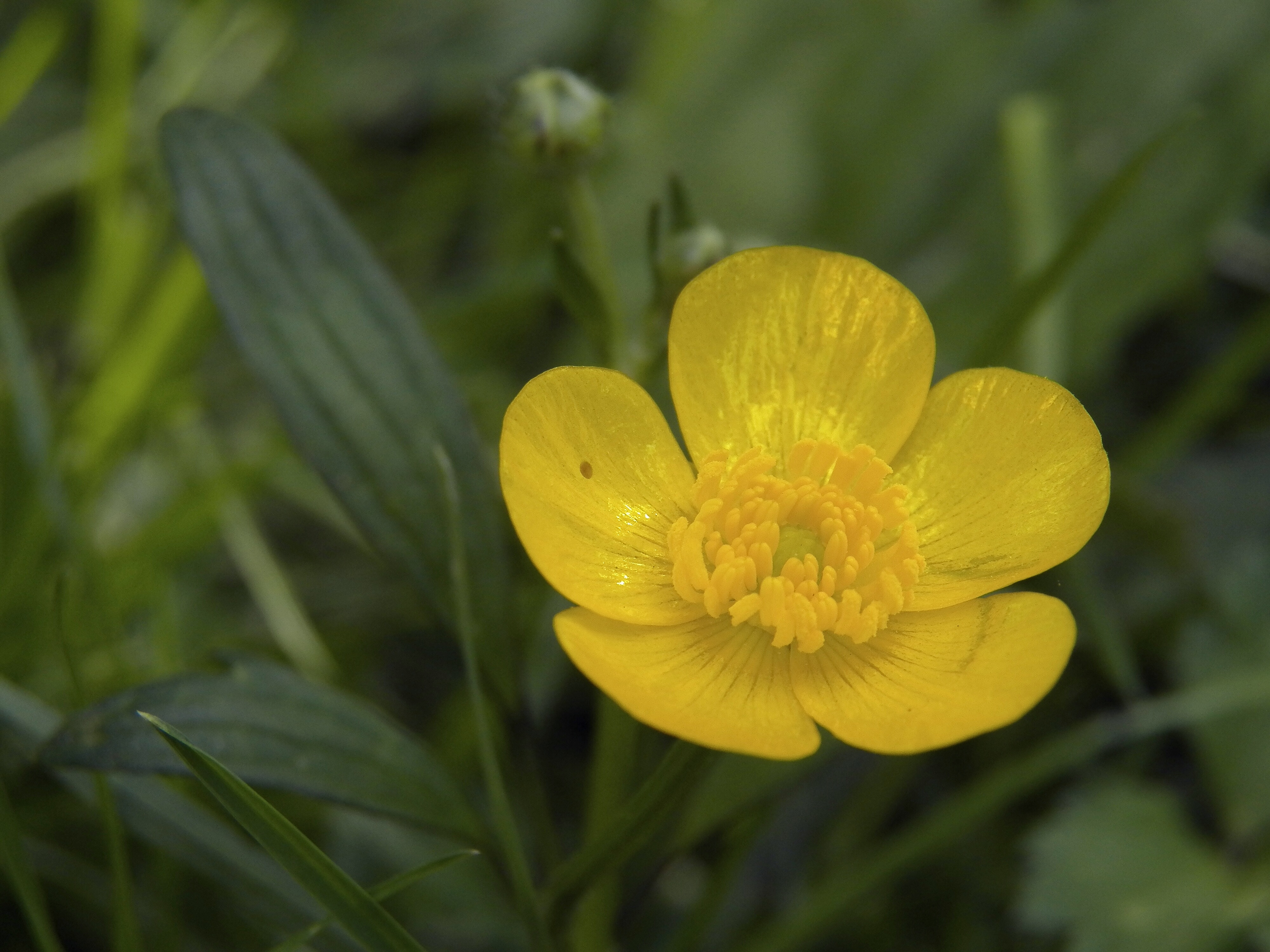
The common buttercup that invades our lawns and delights children. These were growing in Beechview.

For a description of the species, see the Ranunculus repens reference page (and try saying “Ranunculus repens reference” three times fast).


Comments

The common buttercup that invades our lawns and delights children. These were growing in Beechview.

For a description of the species, see the Ranunculus repens reference page (and try saying “Ranunculus repens reference” three times fast).


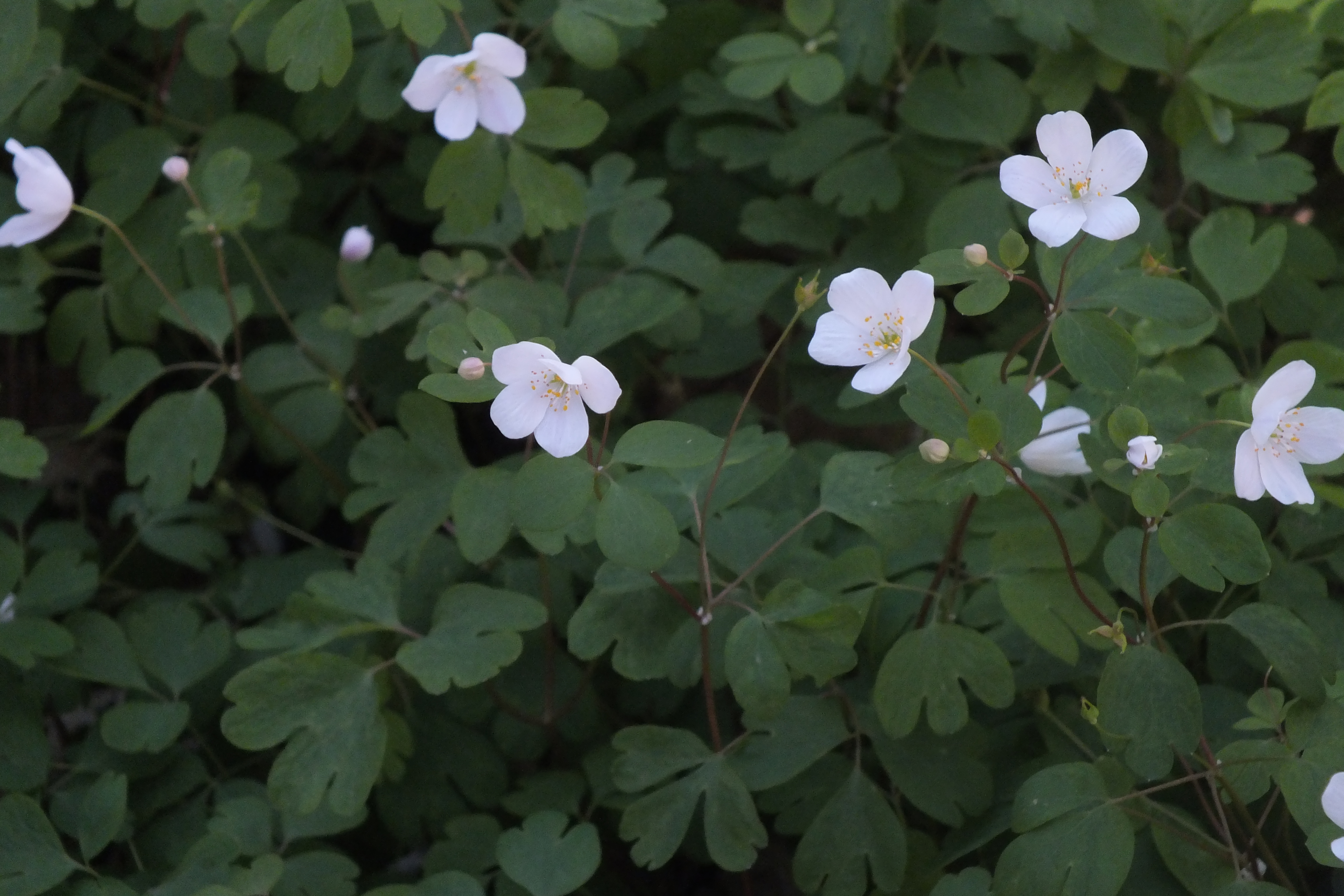
A plant that should not be here, but this patch on the Trillium Trail has been expanding and now covers quite a bit of ground in the woods. Although this is generally a Midwestern plant, its range becomes spotty and discontinuous at its eastern extremity, and there are recorded stations east of us; so it is likely that this is just one of those discontinuous spots.

For a description of the species, see the Enemion biternatum reference page.


As the species name tells us, this is a dioecious plant, meaning that each plant is either male or female—a rarity among flowering plants. The male flowers, with their dangling stamens that jingle silently in the breeze, are the ones we notice; the female flowers are more obscure. These plants were blooming in Fox Chapel above the parking area for the southern end of the Trillium Trail.

For a description of the species, see the Thalictrum dioicum reference page.


The relentless march of this invader continues: these plants were growing in parts of Bird Park, Mount Lebanon, where they had not been seen two or three years ago. A lush carpet of Lesser Celandine may be an environmental nuisance, but it is a beautiful sight.

For a description of the species, see the Ficaria verna reference page.


Little red-and-yellow bells with bundles of stamens for clappers. There is nothing else remotely like this flower in our wild flora, except for the cultivated European Columbine (Aquilegia vulgaris) that occasionally escapes from gardens in the city, whose flowers are blue, purple, pink, or white, but never red and yellow.
This plant was blooming at the edge of the woods on the grounds of Fallingwater in Mill Run.


The name “columbine” comes from the form of the flowers, which—if you have the right kind of imagination—look like a conference of pigeons all facing one another.


For a description of the species, see the Aquilegia canadensis reference page.