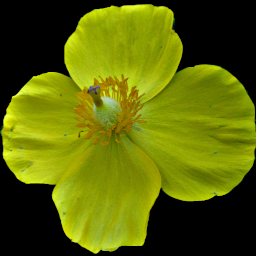

Blooming in the Kane Woods Nature Area in Scott Township, where it grows abundantly on the wooded slopes.

For a description of the species, see the Sedum ternatum reference page.


Comments
Blooming in the Kane Woods Nature Area in Scott Township, where it grows abundantly on the wooded slopes.
For a description of the species, see the Sedum ternatum reference page.

Little white stars that come out in the afternoon; they came over as a garden plant, but they found our climate hospitable and now can be found in lawns and at the edges of parking lots. These flowers were blooming in the Homewood Cemetery.

For a description of the species, see the Ornithogalum umbellatum reference page.


Great White Trillia blooming along the Trillium Trail in Fox Chapel.

For a description of the species, see the Trillium grandiflorum reference page.


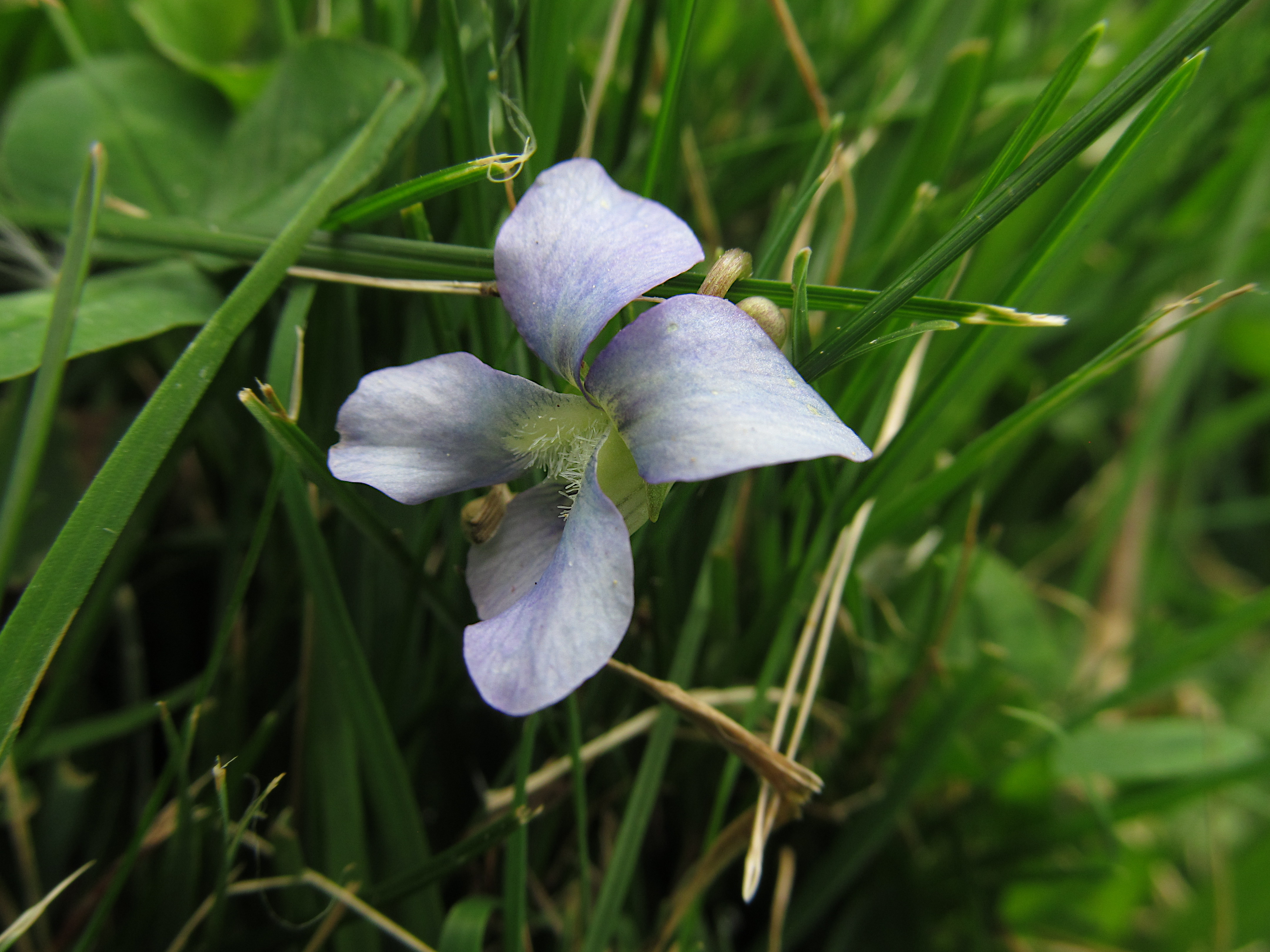
Common Blue Violets normally bloom in a narrow range of shades from deep violet to deep purple. We do, however, sometimes find flowers in a range of shades from pale lavender to pure white, as well as flowers with white flecks. Most of these flowers were blooming in a lawn in Highland Park among a large population of the regulation violet-colored violets.
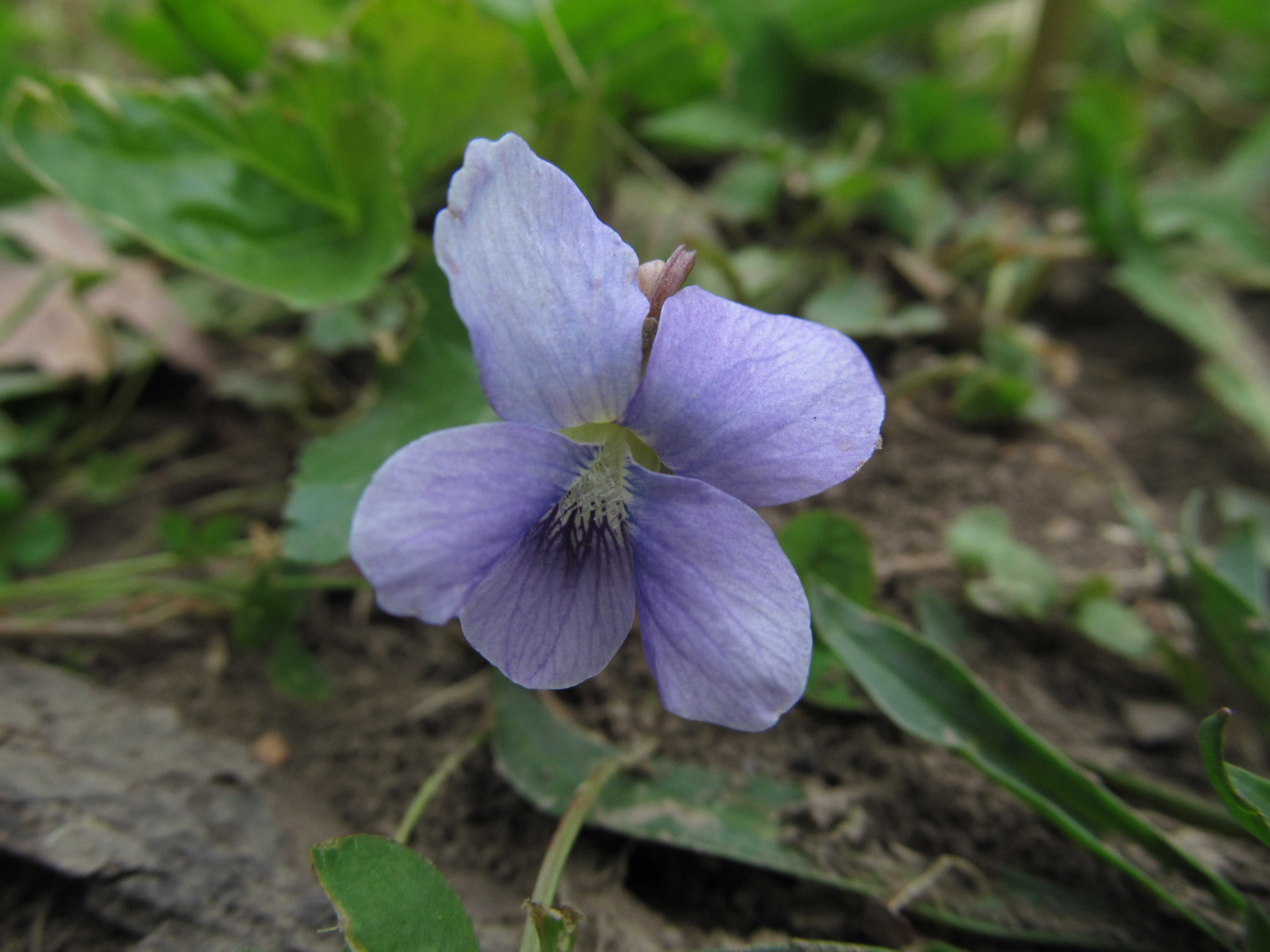
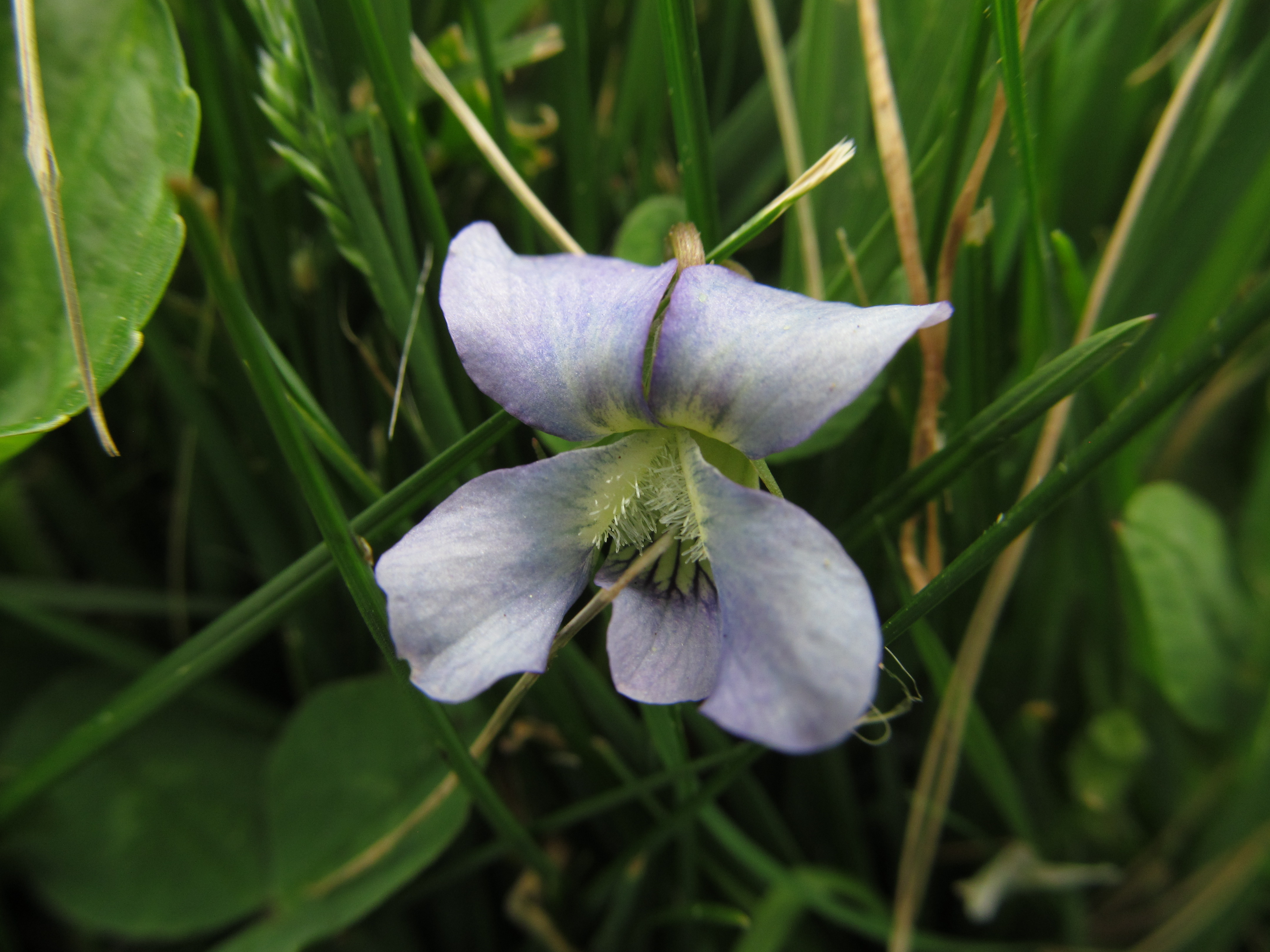
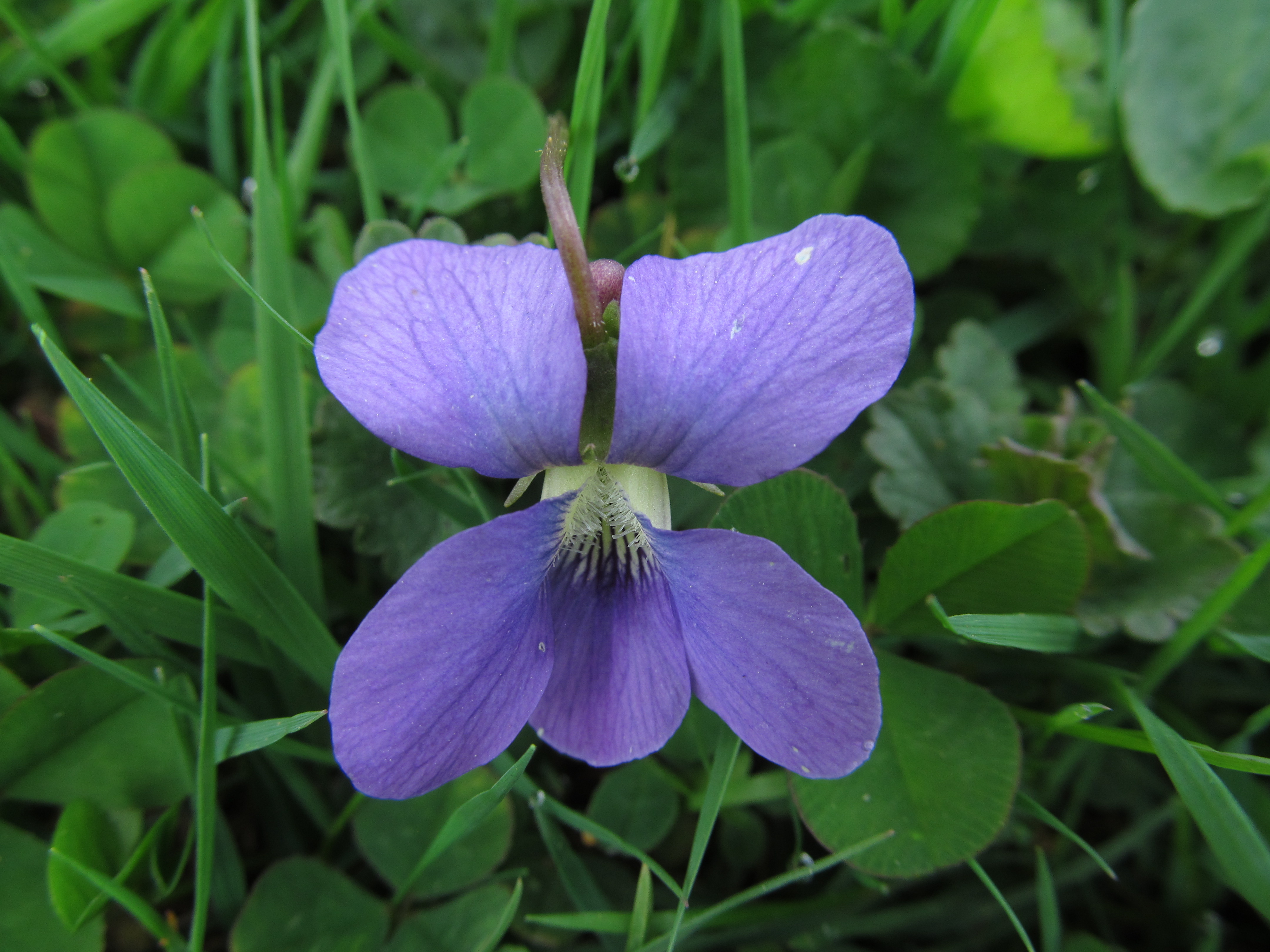
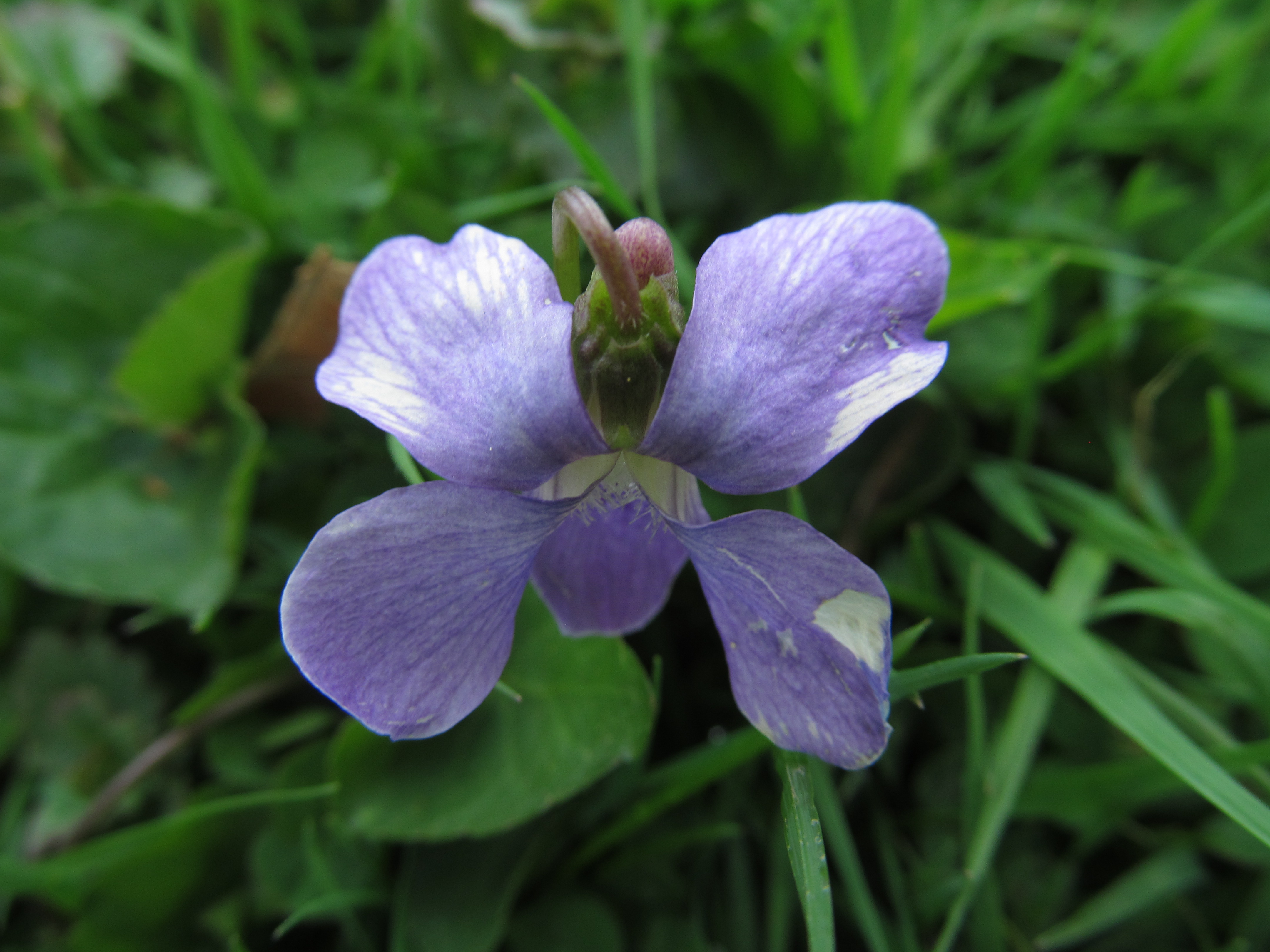

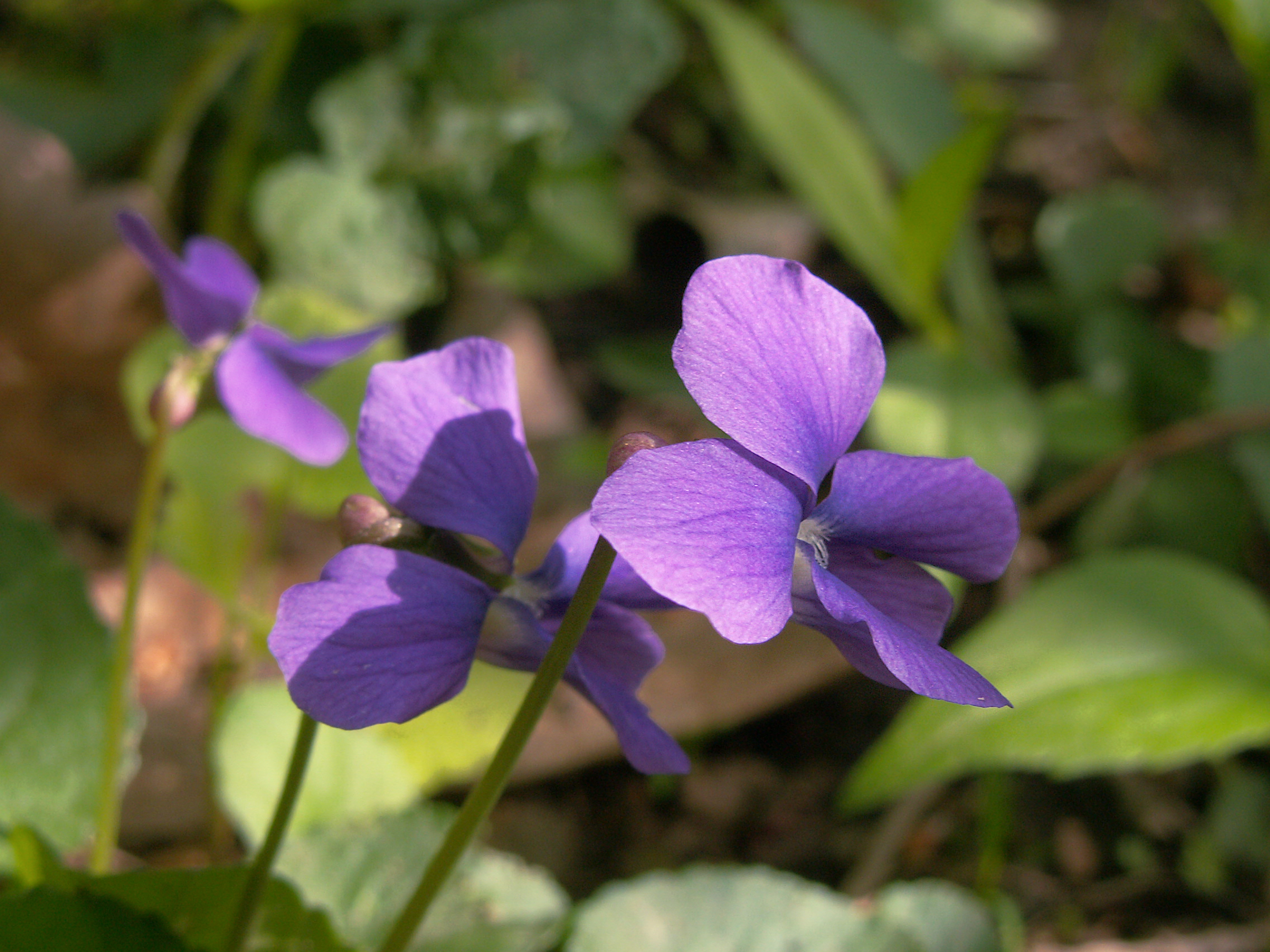
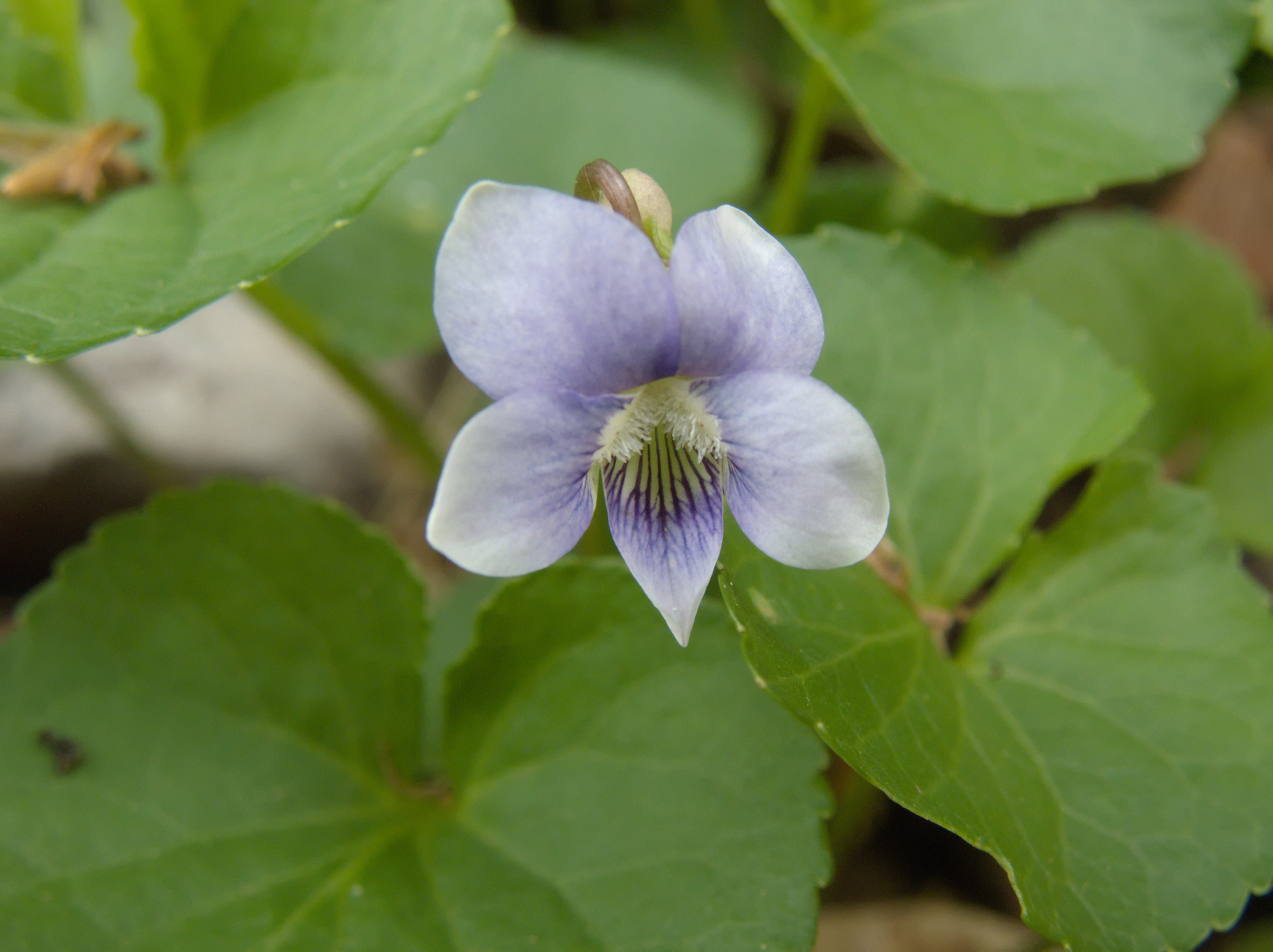
This one was blooming near Saw Mill Run in Seldom Seen.
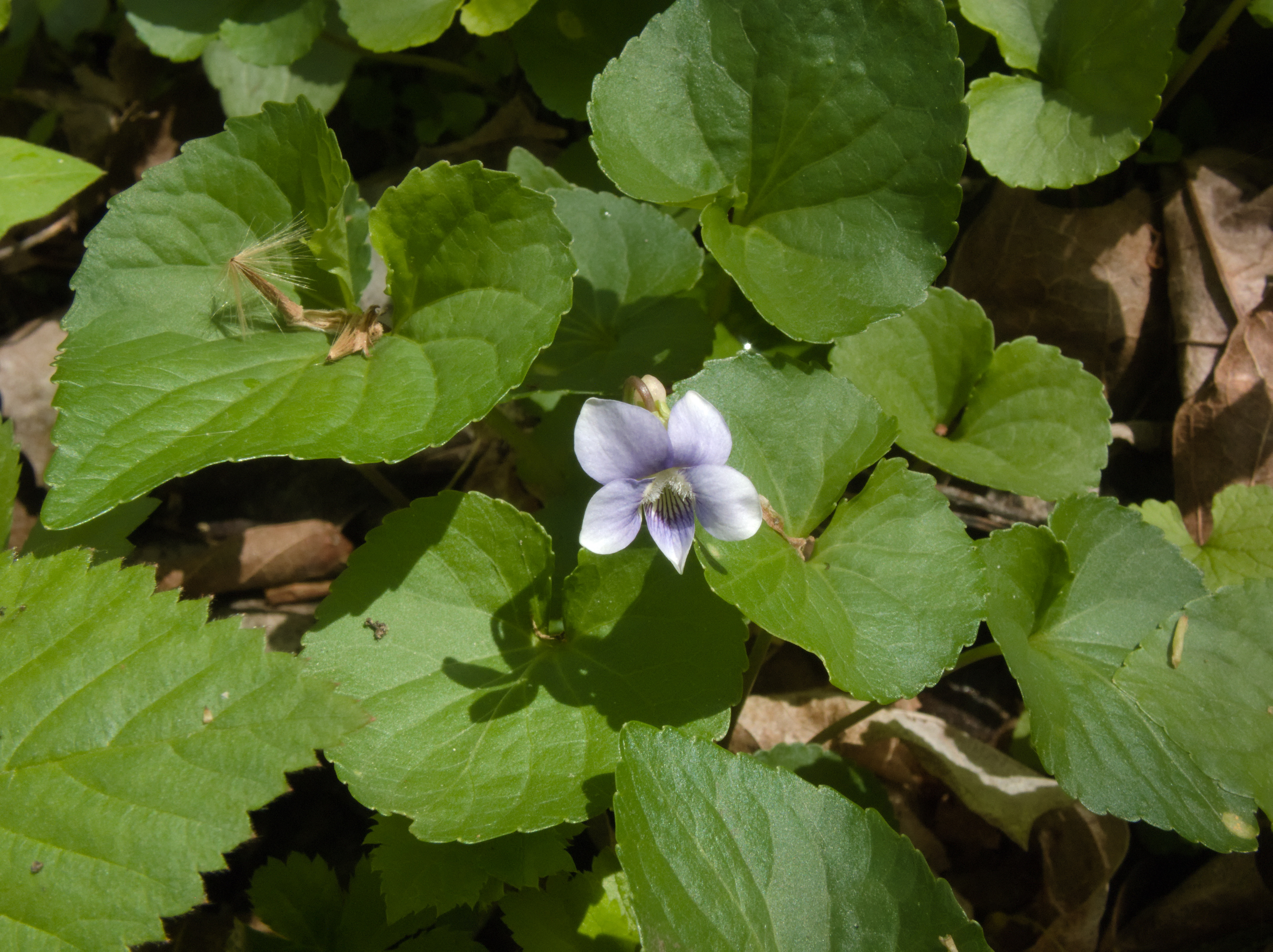

It is possible that some of these plants are other closely related species, or even hybrids. Botanists themselves have trouble sorting violets: Viola papilionacea, for example, was commonly regarded as a separate species from V. sororia (though Gray said that V. sororia “passes into” V. papilionacea) but is now subsumed by its sister, which is called “sororia” (“sisterly”) precisely because it looks so much like some other species in the genus. In addition, Fernald’s revision of Gray’s Manual of Botany lists eleven other species with which Viola sororia hybridizes. At that point, Father Pitt gives up and simply says these are probably the same species, but corrections from botanists with better eyes are welcome.
For a description of the species, see the Viola sororia reference page.

Also known as Crinkleroot. A close relative of the Cutleaf Toothwort (Cardamine concatenata), but easily distinguished by its pair of broad leaves with three leaflets. These plants were blooming along the Trillium Trail in Fox Chapel.

For a description, see the Cardamine diphylla reference page.

