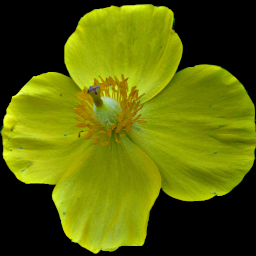
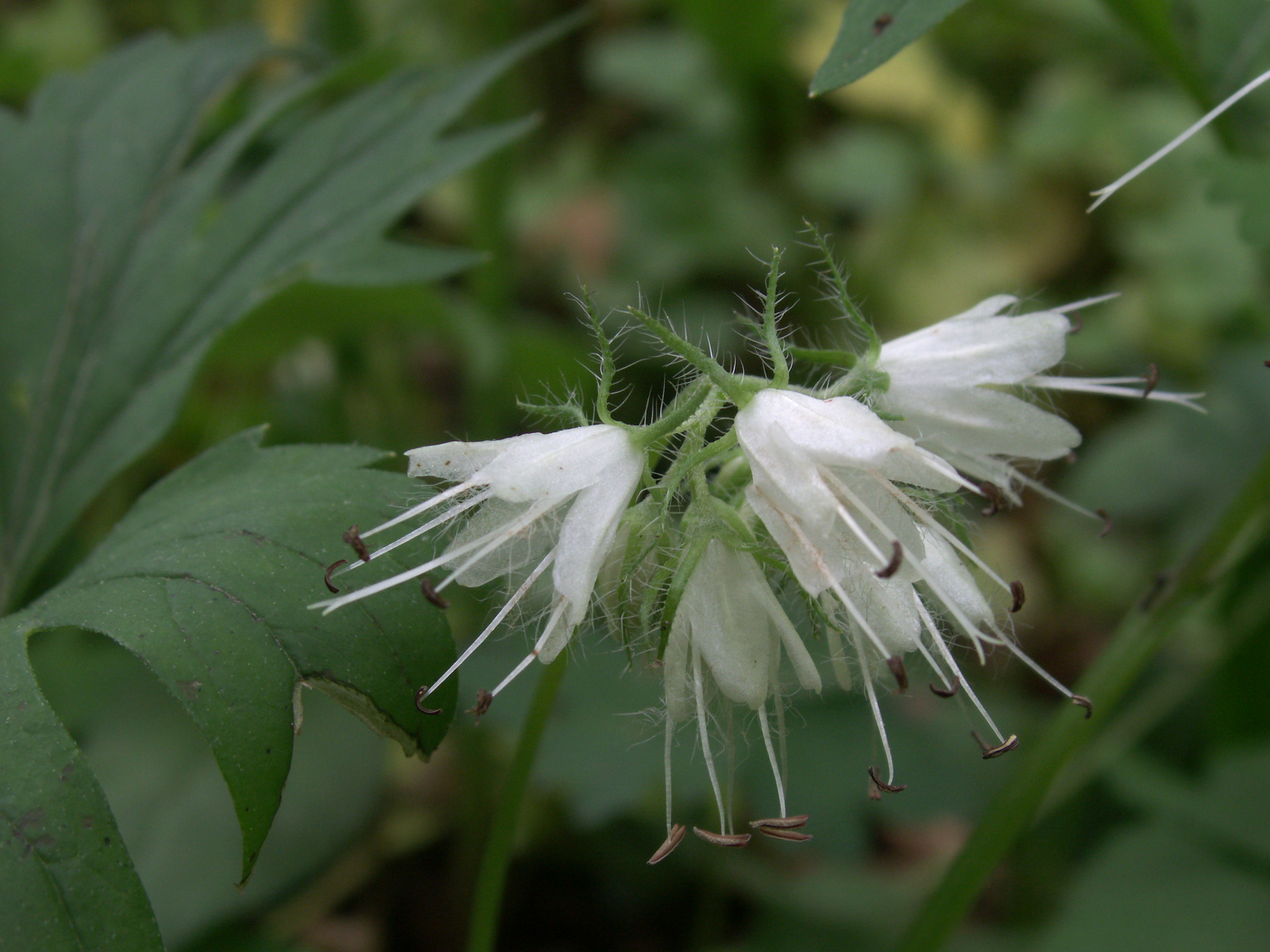
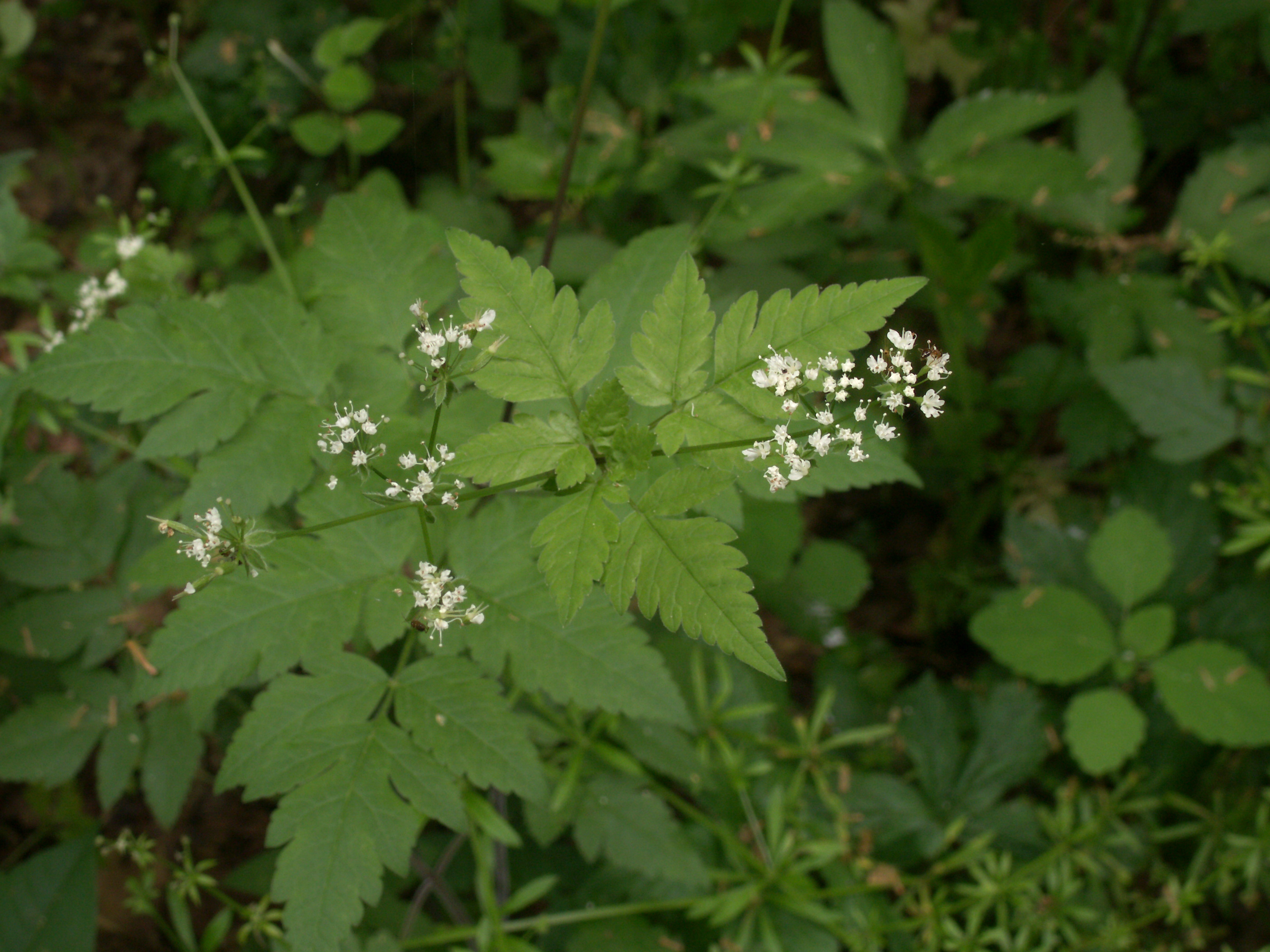
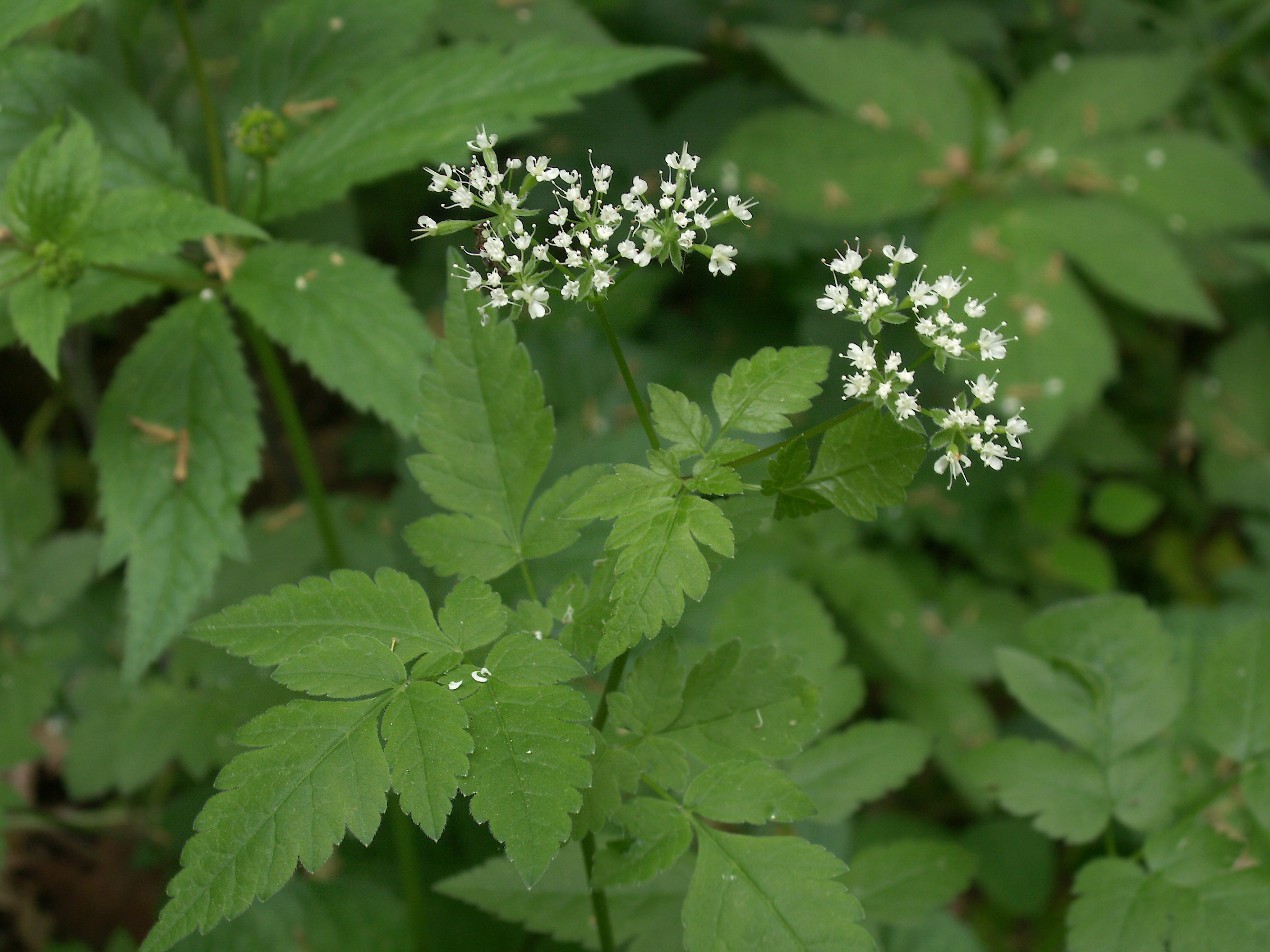
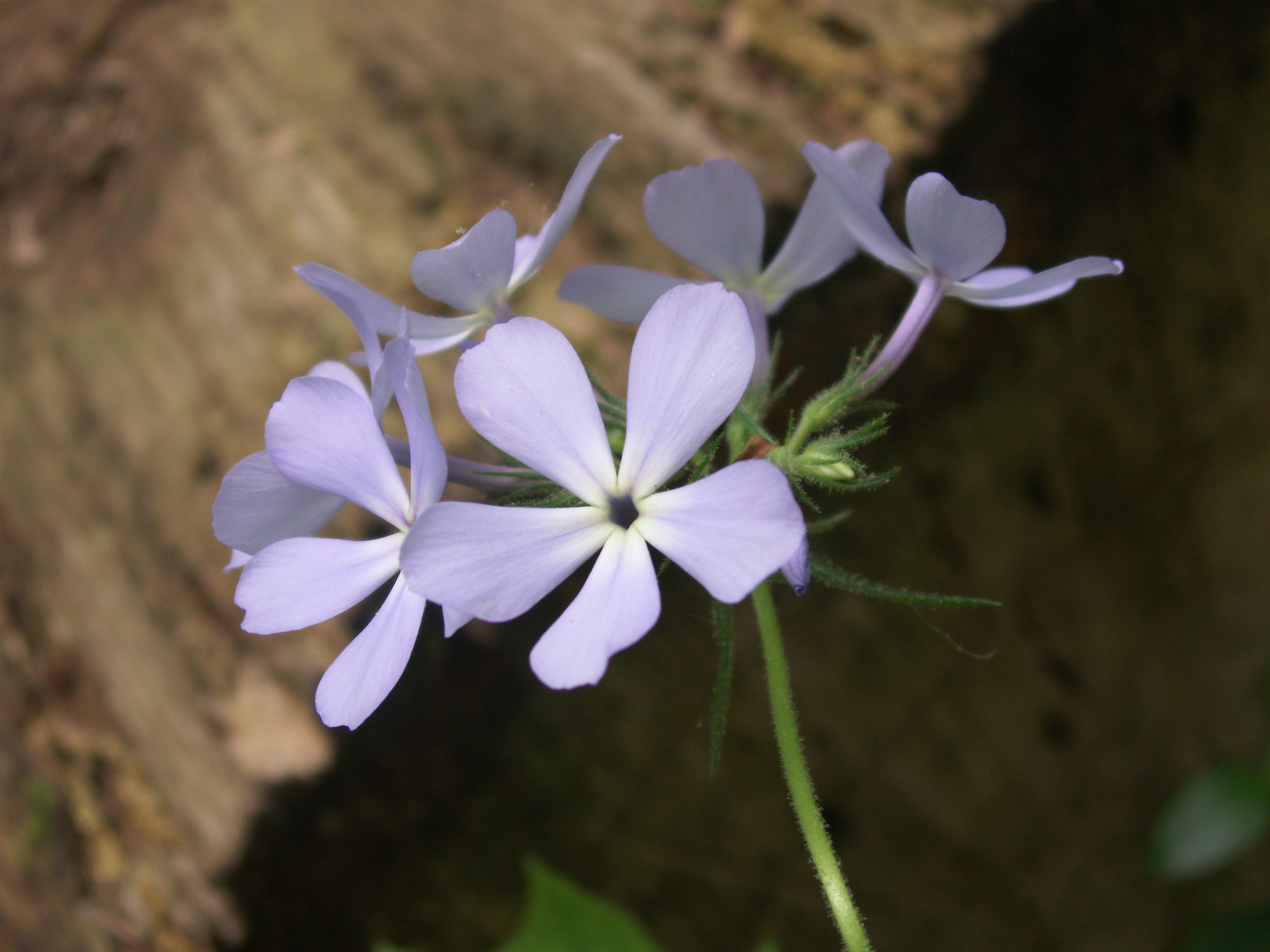
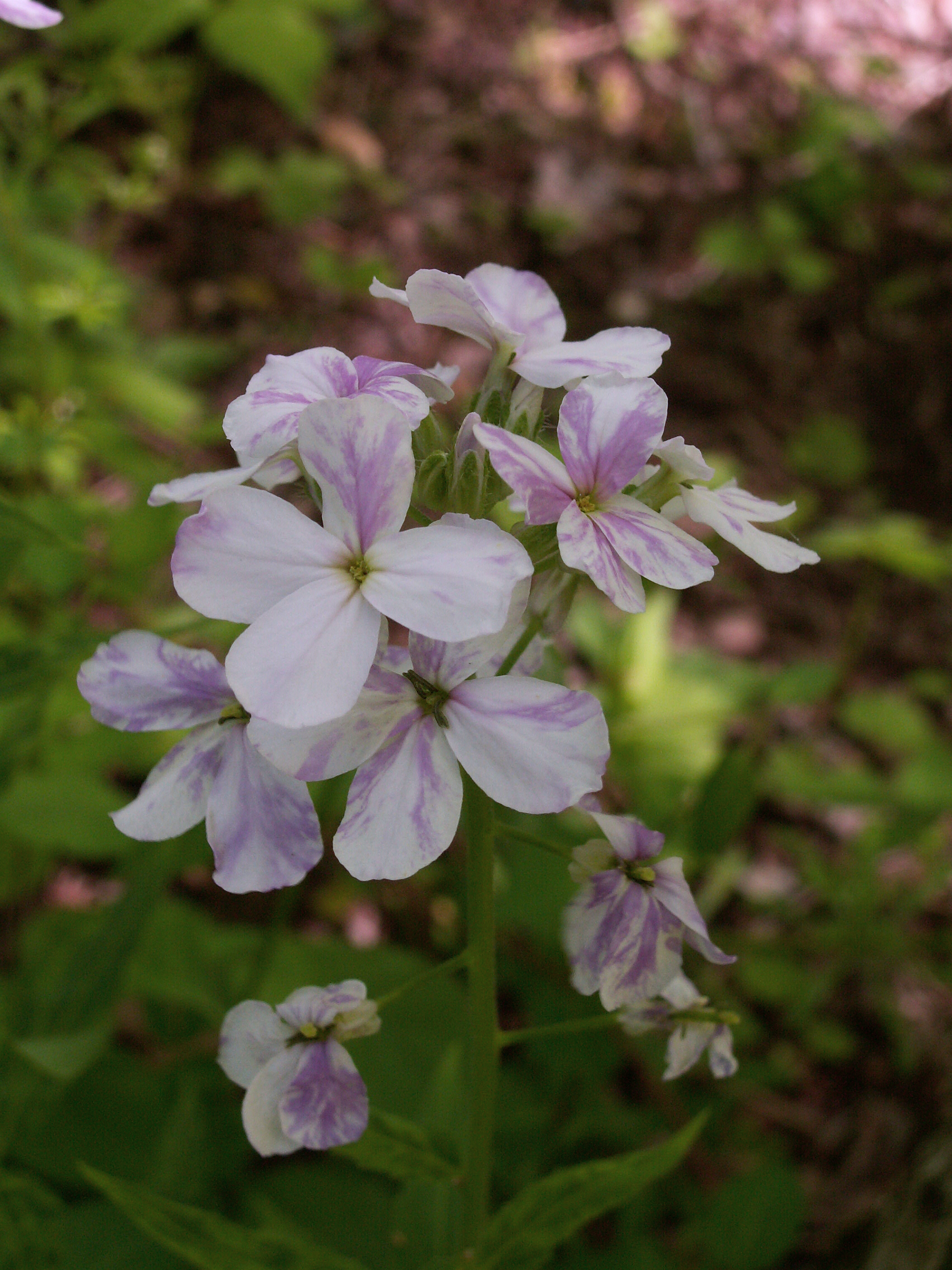
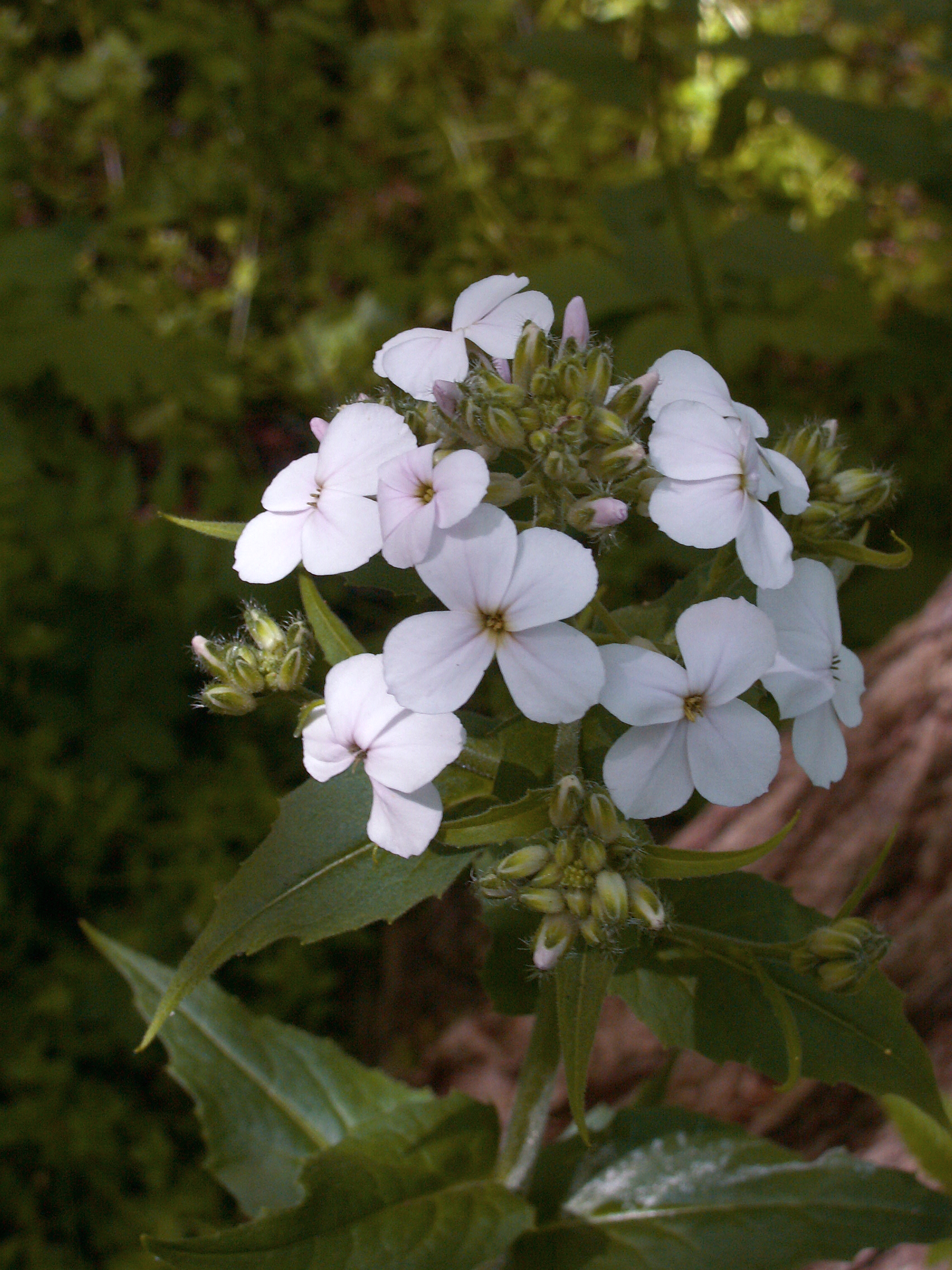
Often mistaken by Pittsburghers for a phlox (or “some kind of phlock,” as old Pa Pitt has heard Pittsburghers say), this is actually a member of the mustard family. Its four-petaled flowers give it away. It came to our country as a garden favorite and decided it liked our climate, and now it lights up roadsides and the edges of woods everywhere. These plants were blooming in Bird Park and along Beadling Road in Mount Lebanon.
The picture above looks weirdly over-sharpened, but it is the effect of sunlight through petals that are turned up at the edges. Dame’s Rocket is lighting up roadsides and fields right now; these plants in shades from white through pink to purple were all blooming in Beechview.
Dame’s Rocket is one of those garden flowers that have made themselves at home here, and it is hard to object to it very much. The beautiful flowers come in all shades from purple to white, and splashy bicolors are frequent. The genus name Hesperis refers to the evening scent: all day these flowers smell like nothing, but when evening comes they put out a strong and delightful perfume. Some of these flowers were blooming in Bird Park, Mount Lebanon; others along the Seldom Seen Greenway.
Photographed May 15.
Gray describes the genus and the species:
HESPERIS [Tourn.] L. ROCKET. Pod linear, nearly cylindrical; stigma lobed, erect. Seeds in 1 row in each cell, oblong, marginless. Cotyledons incumbent. Biennial or perennial, with serrate sessile or petiolate leaves, and large purple flowers. (Name from hespera, evening, from the evening fragrance of the flowers.)
H. matronalis L. (DAME’S VIOLET.) Tall: leaves lanceolate, acuminate; pods 5-10 cm. long, spreading. Sometimes cultivated, and spreading to roadsides, etc. (Introd. from Eu.)