Tag: Siberian Bugloss

  • Siberian Bugloss (Brunnera macrophylla)

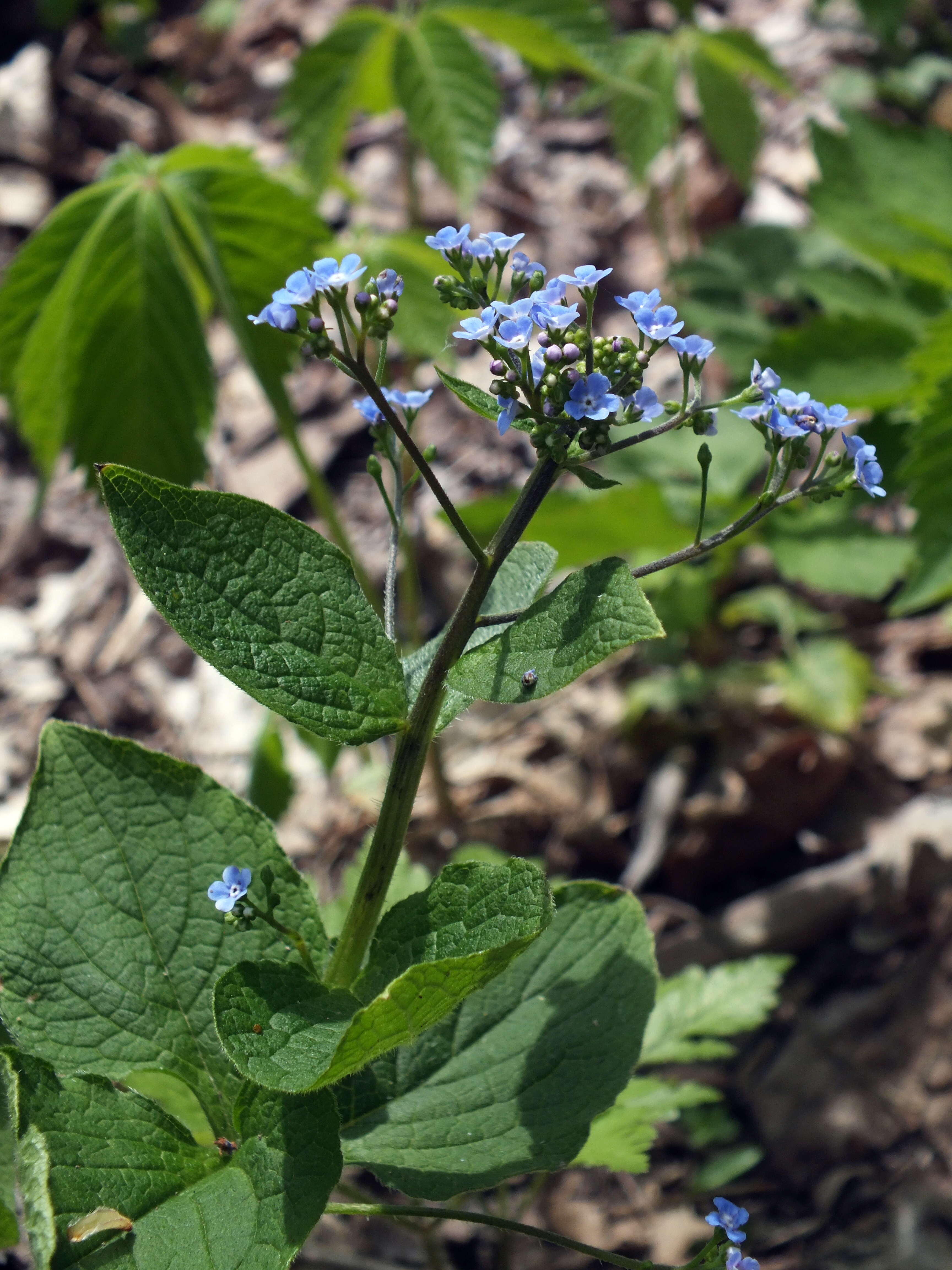
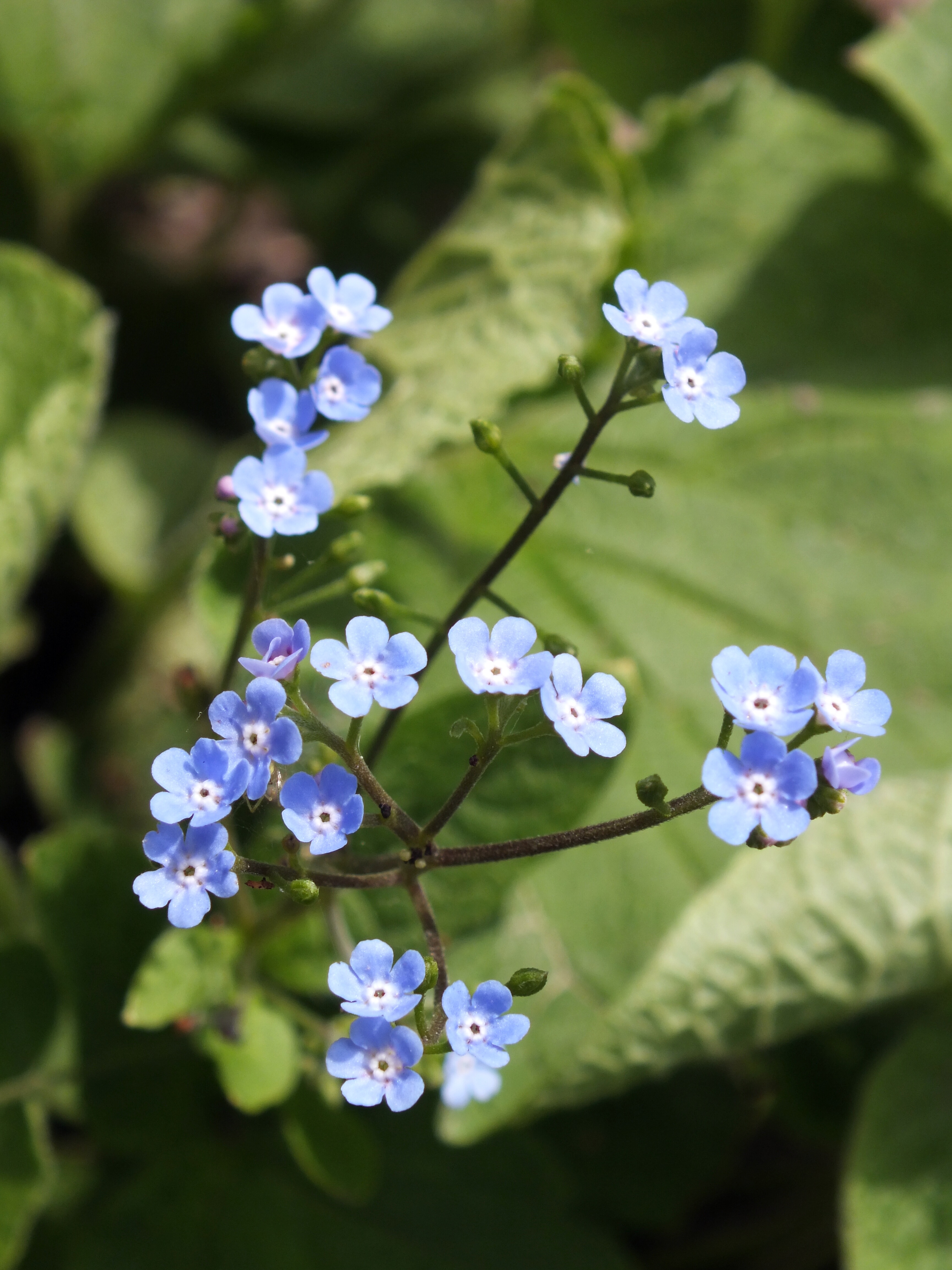
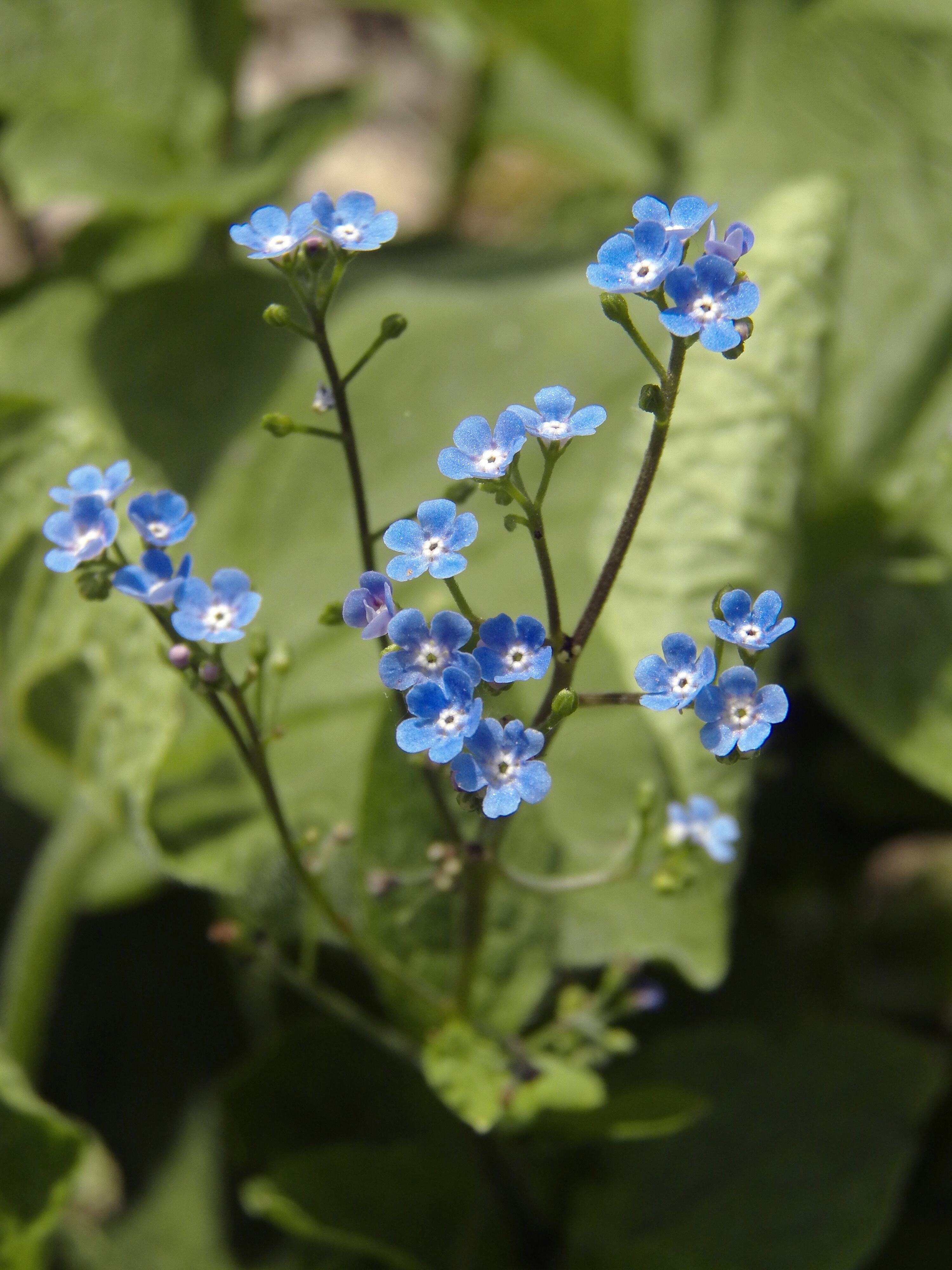
    Siberian Bugloss (Brunnera macrophylla) blooming in Bird Park, Mount Lebanon, Pennsylvania
    Photographed April 18.

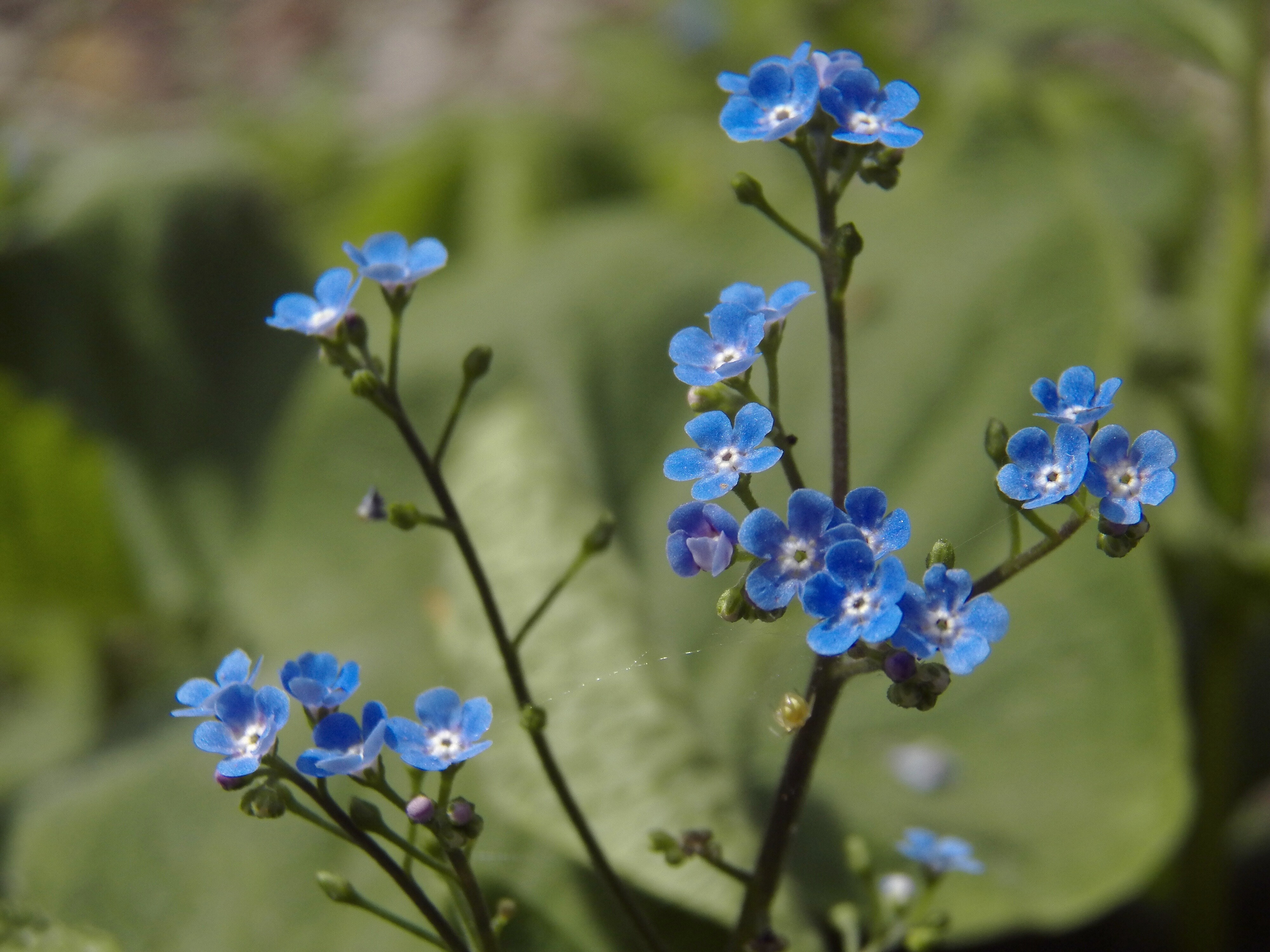
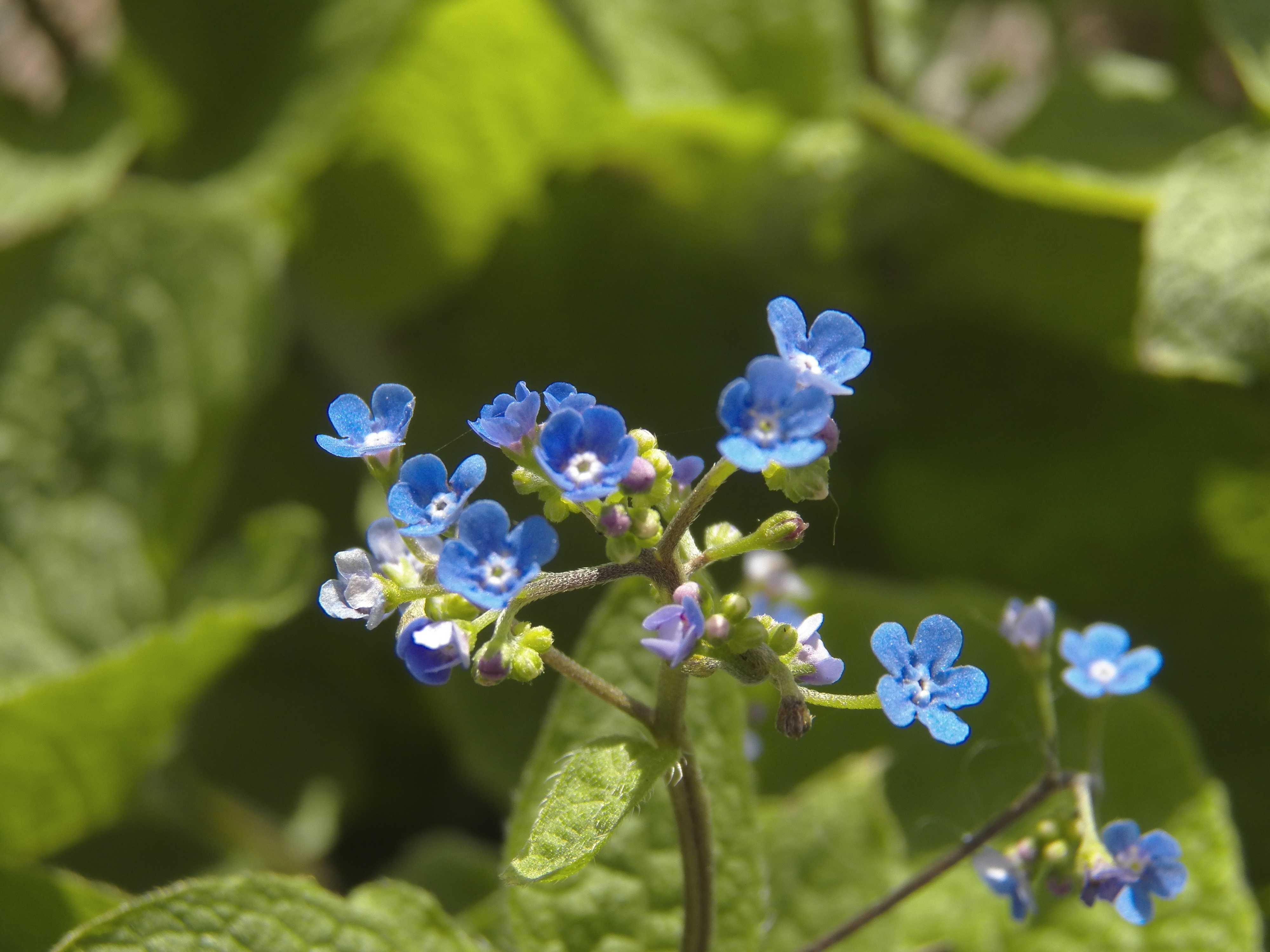
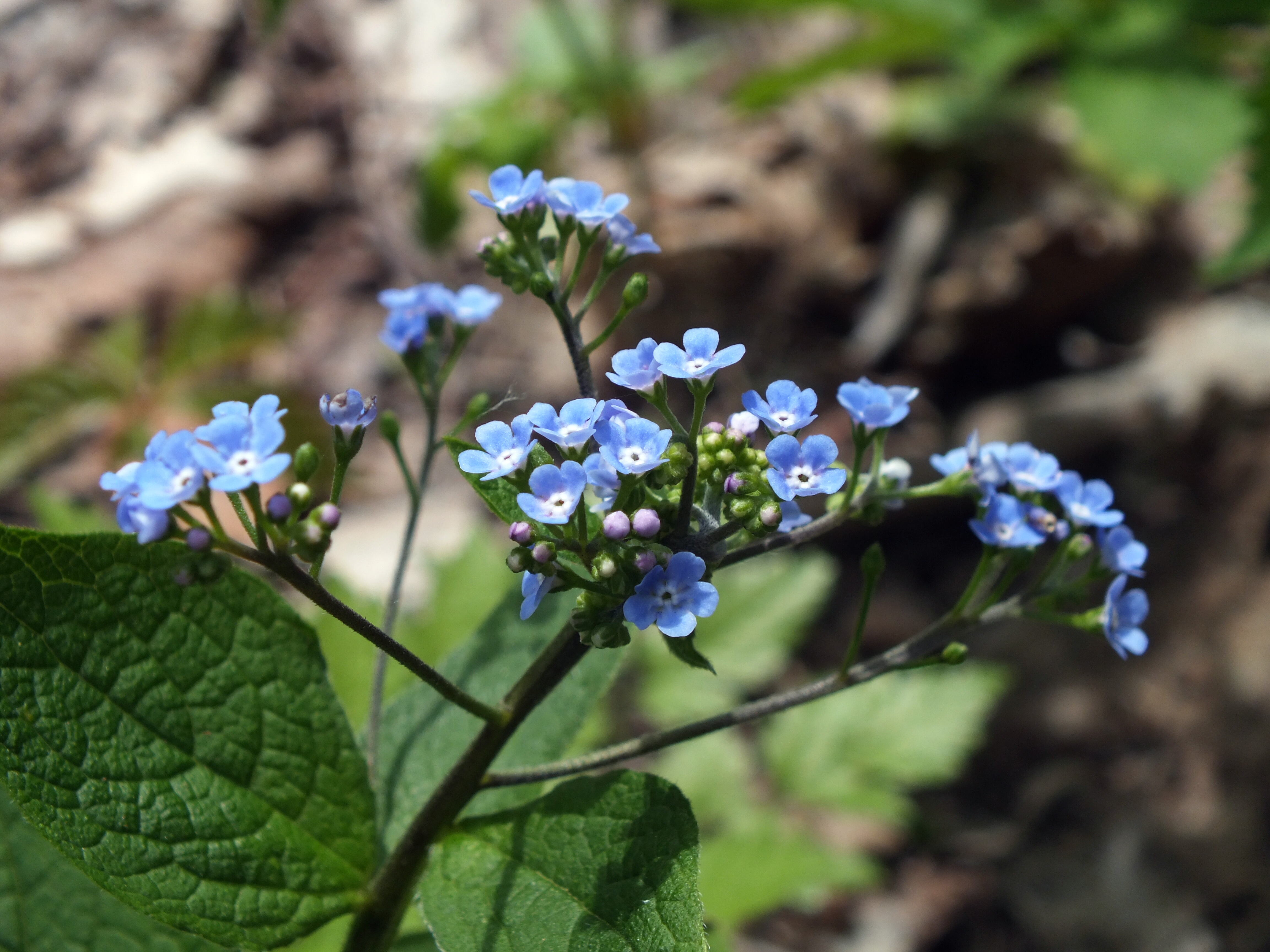
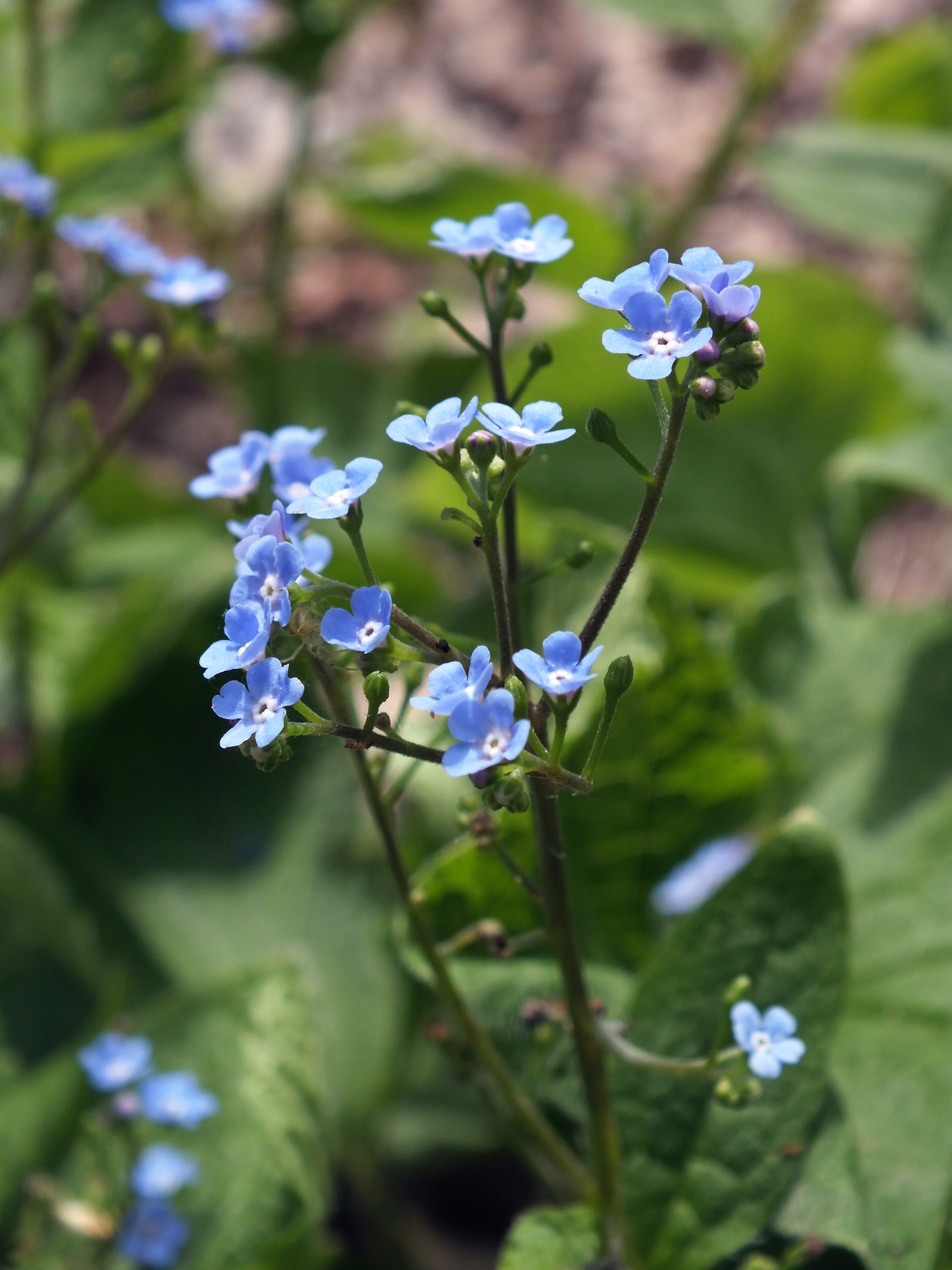
    A member of the forget-me-not family that is a favorite shade-garden plant, this is not recorded as introduced into the wild in our area, but it does pop up sometimes in unexpected places. It will probably be counted as one of our naturalized citizens soon. These flowers were blooming in the woods in Bird Park in Mount Lebanon.
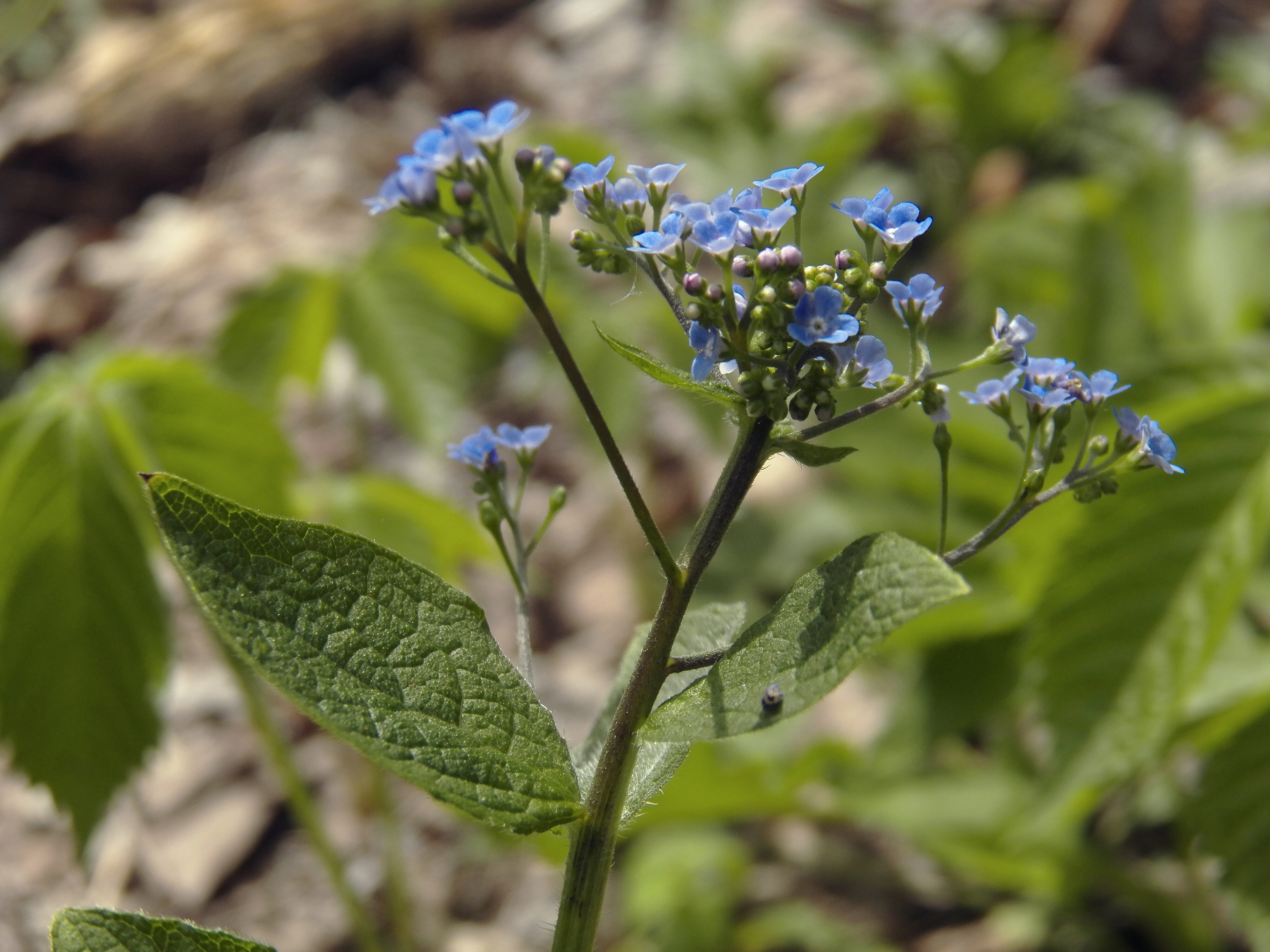
    Siberian Bugloss (Brunnera macrophylla) blooming in Bird Park, Mount Lebanon, Pennsylvania

    For a description of the species, see the Brunnera macrophylla reference page.
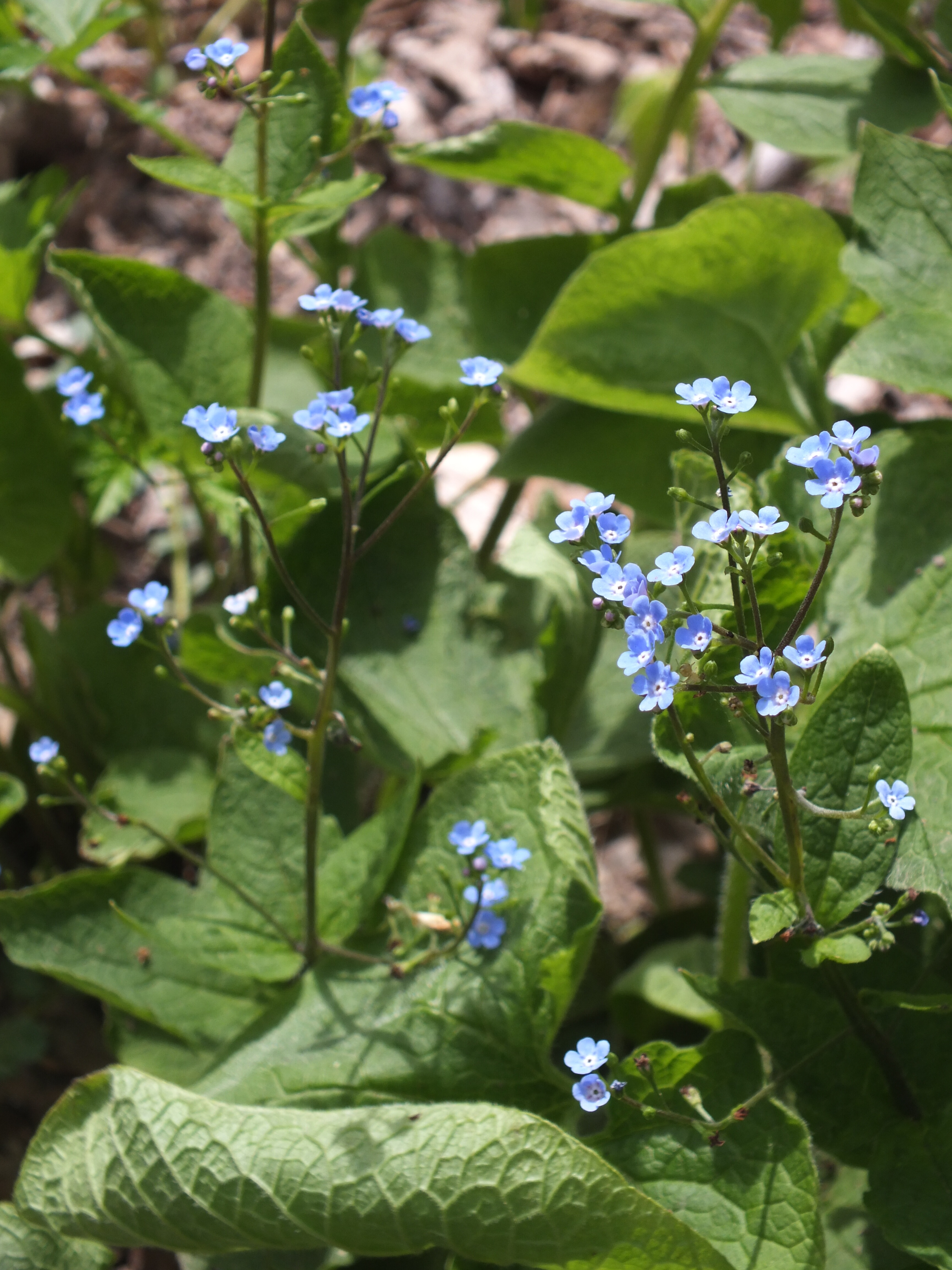
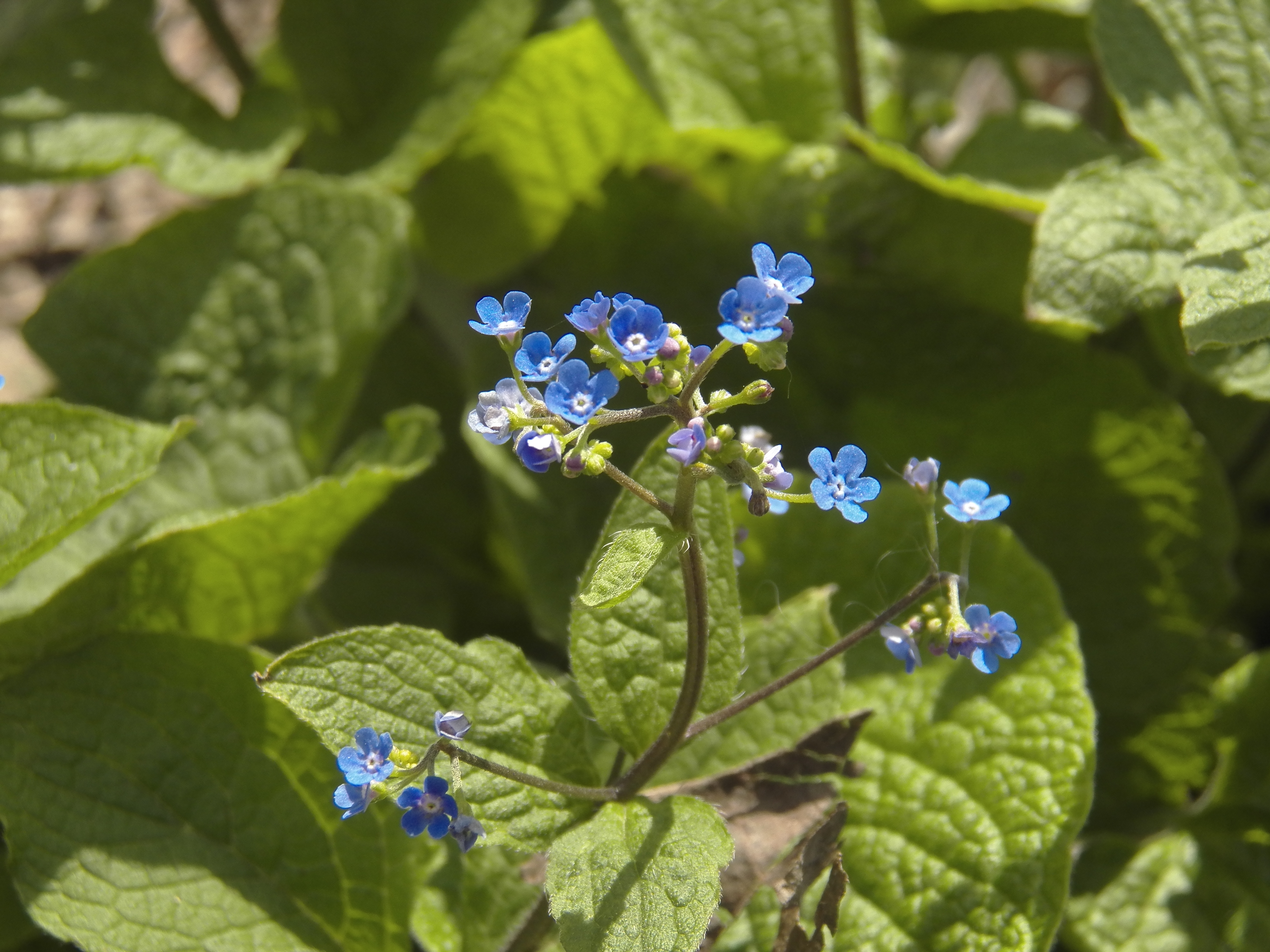
    Siberian Bugloss (Brunnera macrophylla) blooming in Bird Park, Mount Lebanon, Pennsylvania
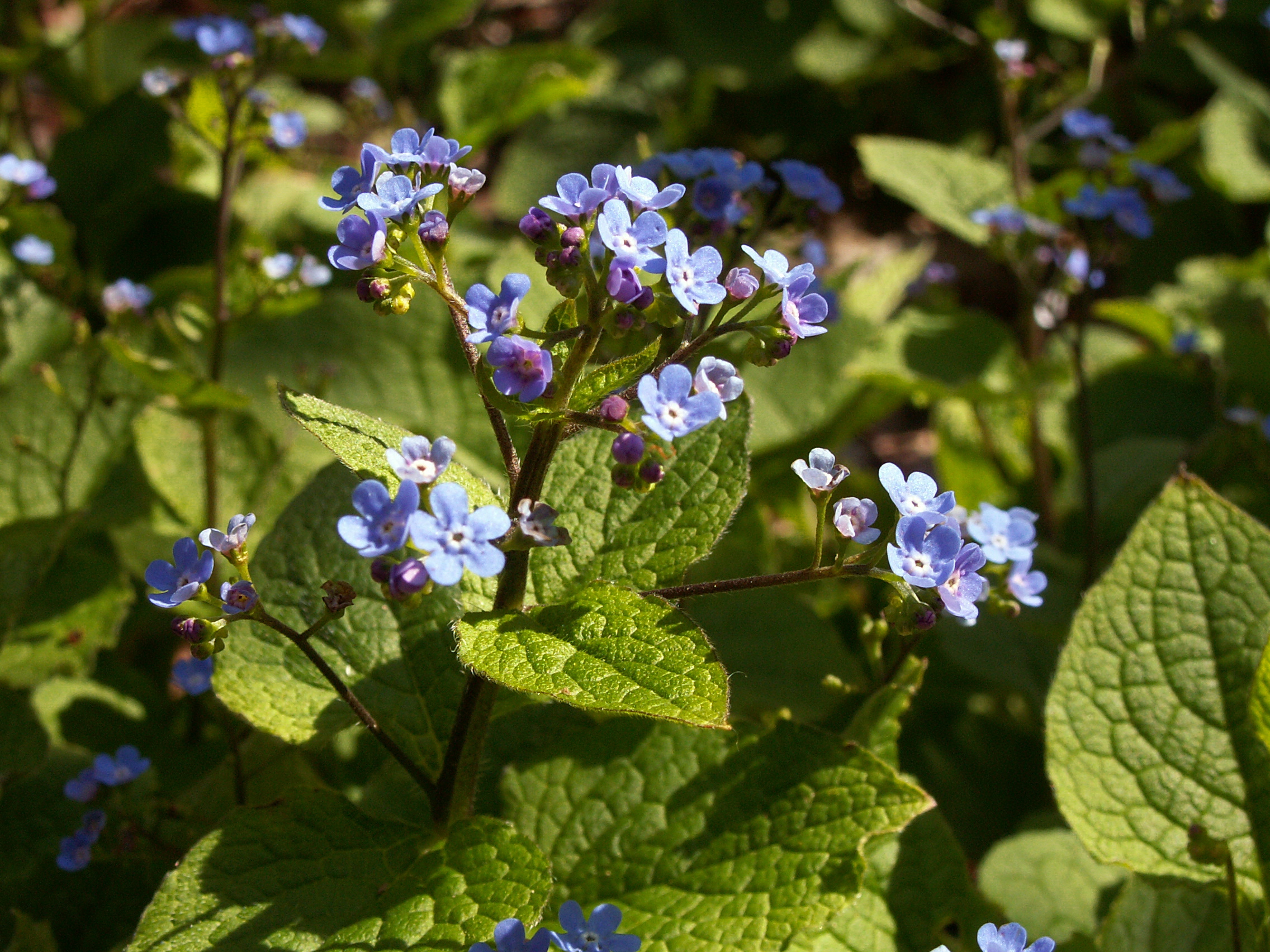
    Siberian Bugloss (Brunnera macrophylla) blooming in Bird Park, Mount Lebanon, Pennsylvania
    Siberian Bugloss (Brunnera macrophylla) blooming in Bird Park, Mount Lebanon, Pennsylvania
    Siberian Bugloss (Brunnera macrophylla) blooming in Bird Park, Mount Lebanon, Pennsylvania
    Photographed April 13.
    Siberian Bugloss (Brunnera macrophylla) blooming in Bird Park, Mount Lebanon, Pennsylvania
    Siberian Bugloss (Brunnera macrophylla) blooming in Bird Park, Mount Lebanon, Pennsylvania
    Siberian Bugloss (Brunnera macrophylla) blooming in Bird Park, Mount Lebanon, Pennsylvania
    Siberian Bugloss (Brunnera macrophylla) blooming in Bird Park, Mount Lebanon, Pennsylvania
  • Siberian Bugloss (Brunnera macrophylla)

    This plant is not recorded as growing wild in the Pittsburgh area; but here it is, naturalized in Bird Park, Mount Lebanon, and blooming at the end of April in a corner of the woods where it was almost certainly not planted. Probably some seeds washed down into the park from the suburban yards on the hill above.

    Siberian Bugloss looks very much like a species of Forget-Me-Not (Myosotis spp.), but is easily distinguished by its large heart-shaped leaves (thus the specific name macrophylla, which means “large-leaved”). Gray does not describe this species, but this quick description should make identification straightforward.