
Very similar to Sweet Cicely (Osmorhiza claytonii), but not hairy, which makes an easy distinction between the two species. These plants were growing in Bird Park, Mount Lebanon.


Comments
Very similar to Sweet Cicely (Osmorhiza claytonii), but not hairy, which makes an easy distinction between the two species. These plants were growing in Bird Park, Mount Lebanon.

An uncommon plant around here (its sister the Virginia Waterleaf is much less rare), this plant is distinguished from other members of its little family by its sycamore-like leaves and its lavender-blue flowers. We come back to this patch on a wooded slope in Beechview every year, and so far it has not disappointed us.

For a description of the species, see the Hydrophyllum appendiculatum reference page.


A showy Chickweed worthy of planting in shade gardens. This one was blooming in a patch along the Trillium Trail in Fox Chapel.
For a description of the species, see the Stellaria pubera reference page.
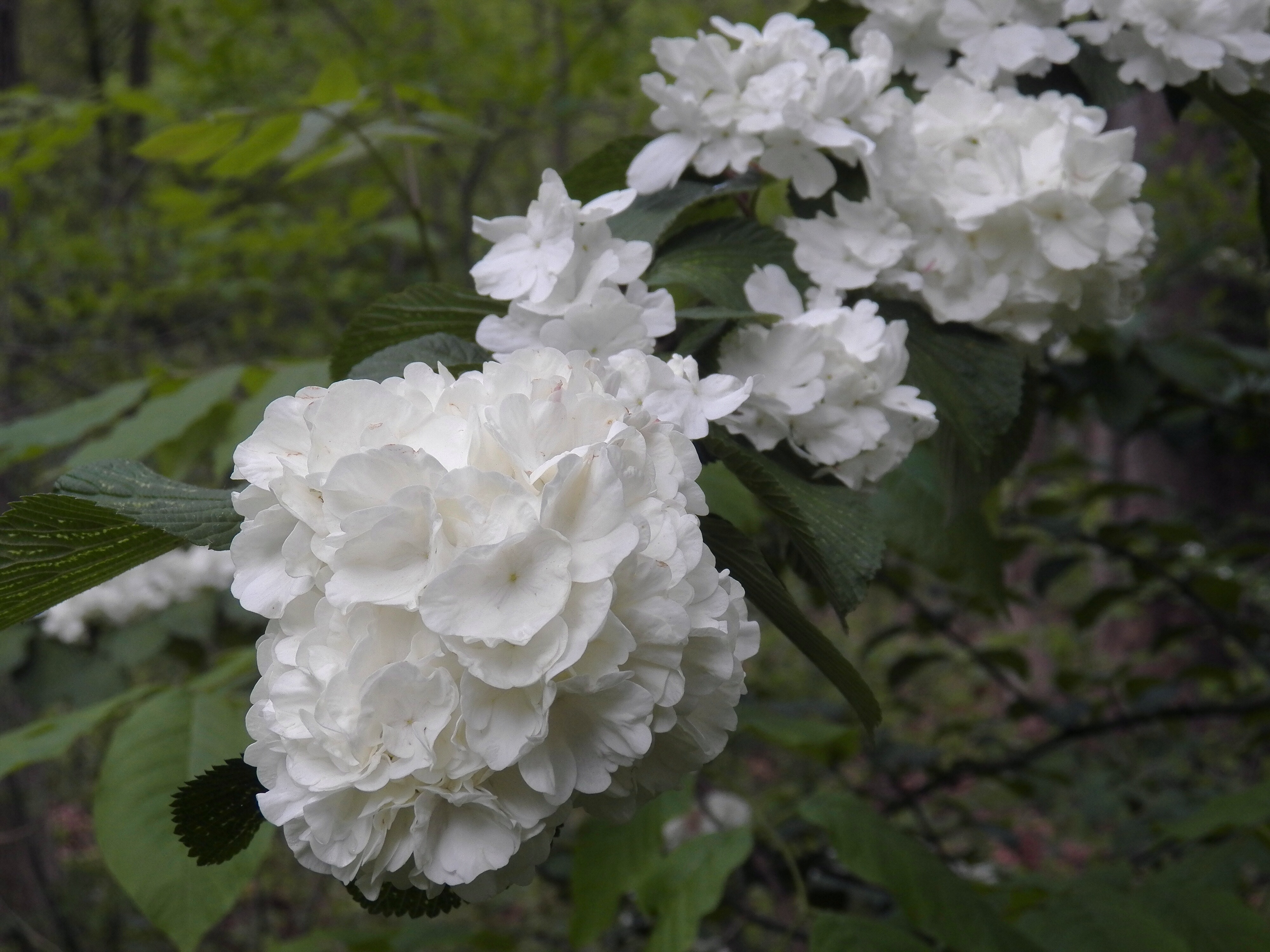
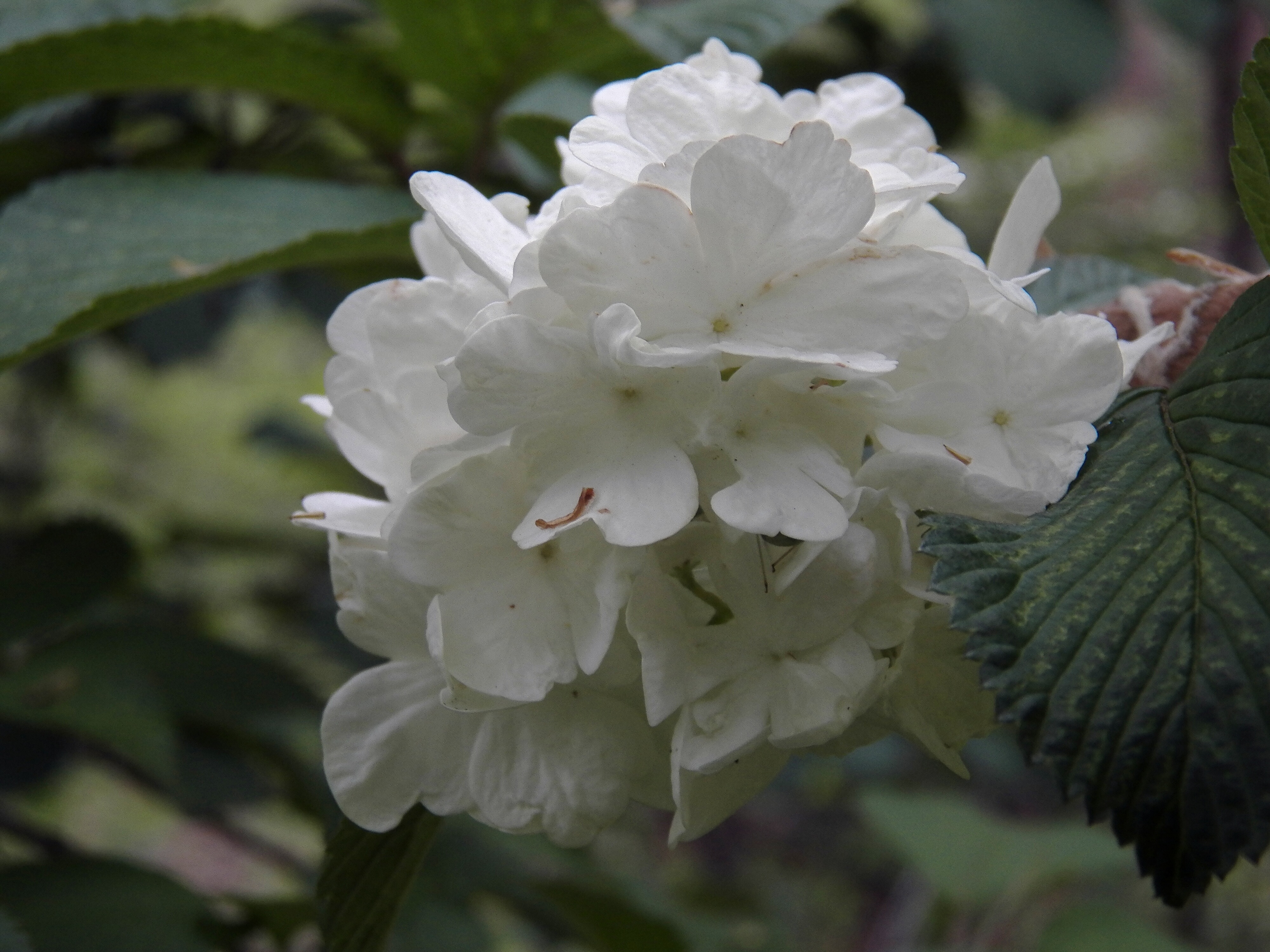
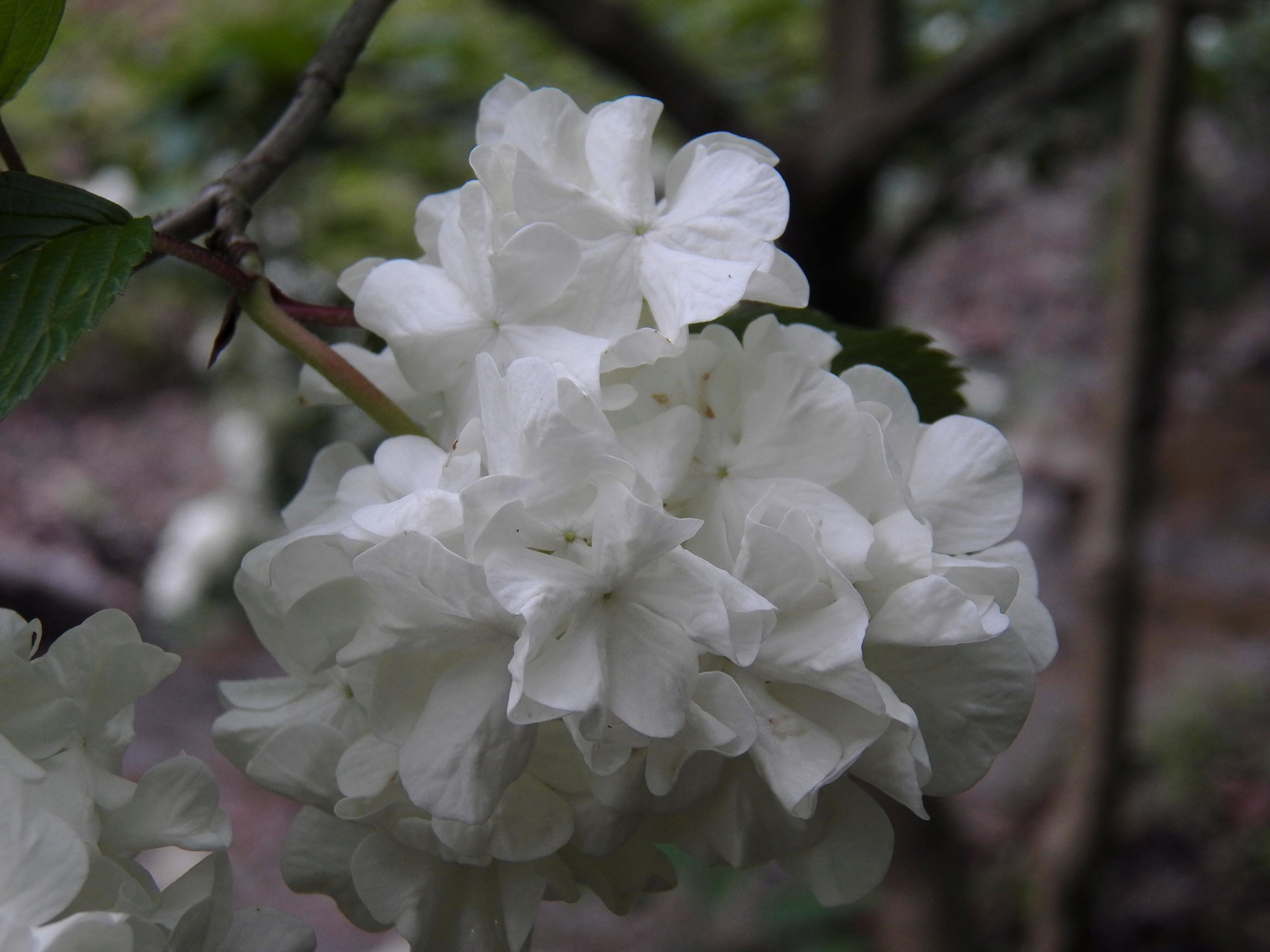
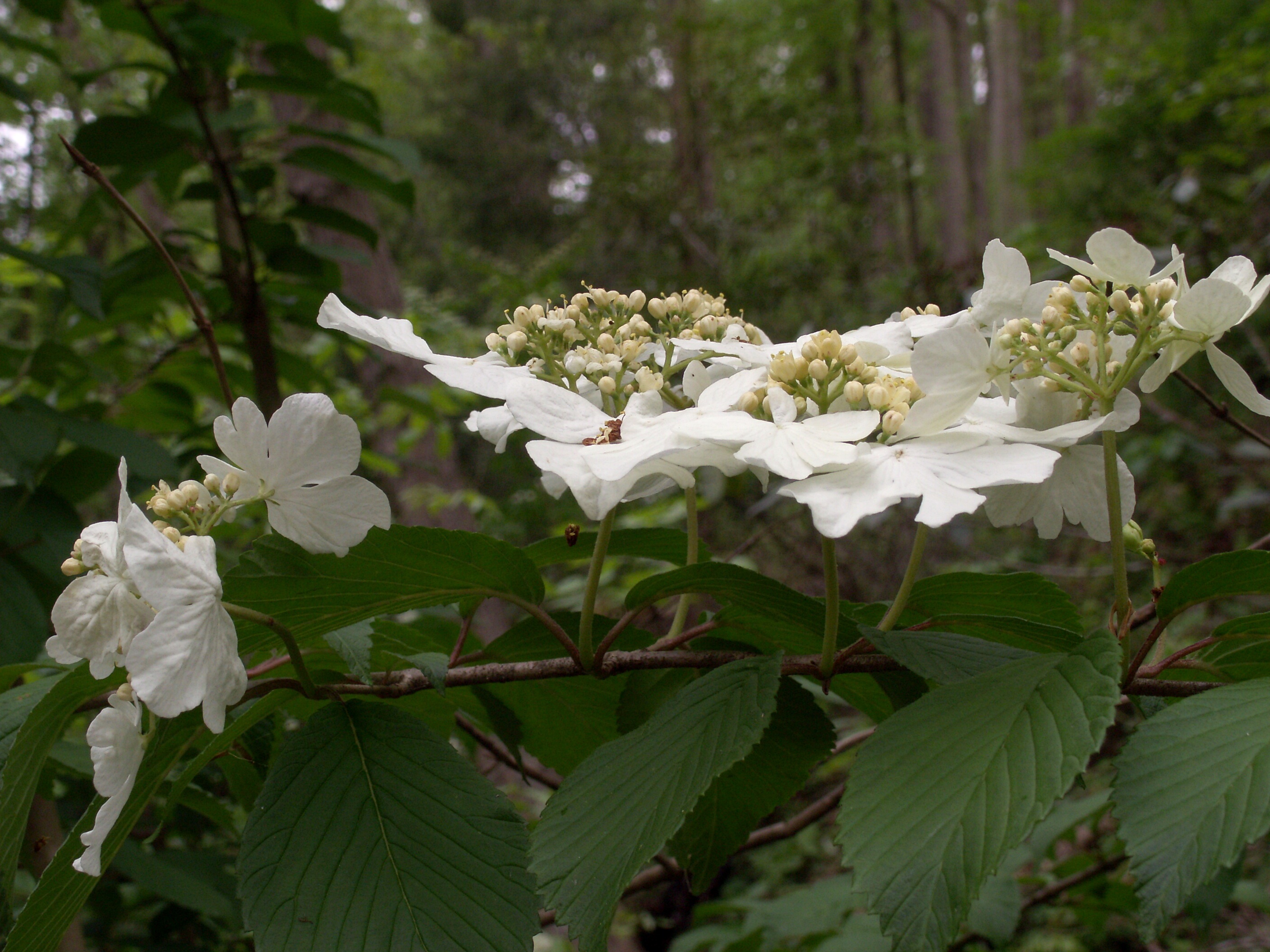
This spectacular bush comes in two varieties. The one that has become common in our woods is the fertile one, for obvious reasons, where the small inner flowers are surrounded by showy sterile flowers that attract the pollinators. In that form the plant is commonly called “Doublefile Viburnum.” Every so often, though, a plant pops up that has all sterile flowers, which form these white snowballs. These plants were blooming along the Trillium Trail in Fox Chapel, where the standard fertile form is very common.
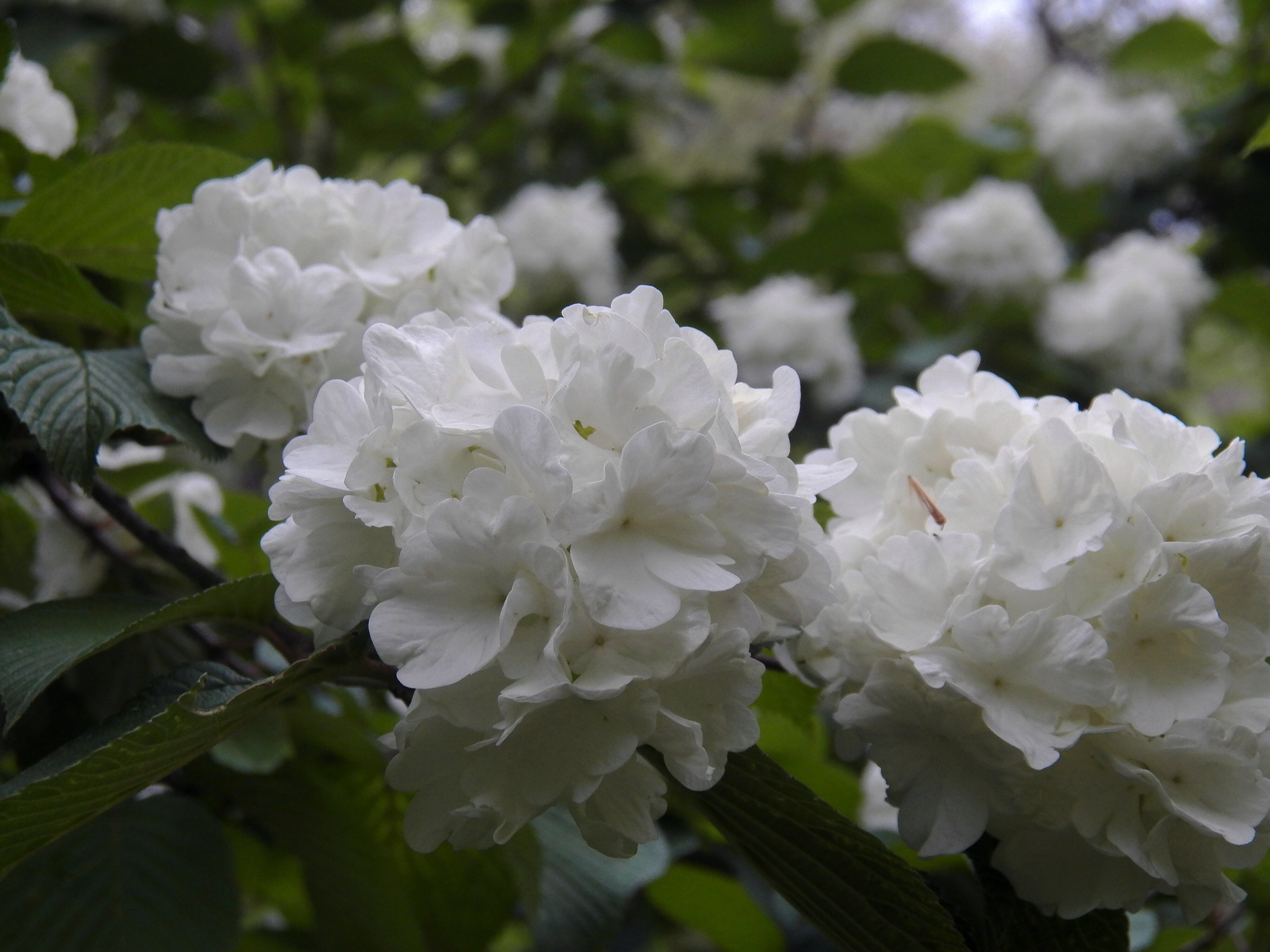
Oddly, European botanists encountered this form of the plant first, so it was given the species name Viburnum plicatum, and the normal fertile form was called Viburnum plicatum var. tomentosum. We still see that variety name used often to describe the Doublefile Viburnum.
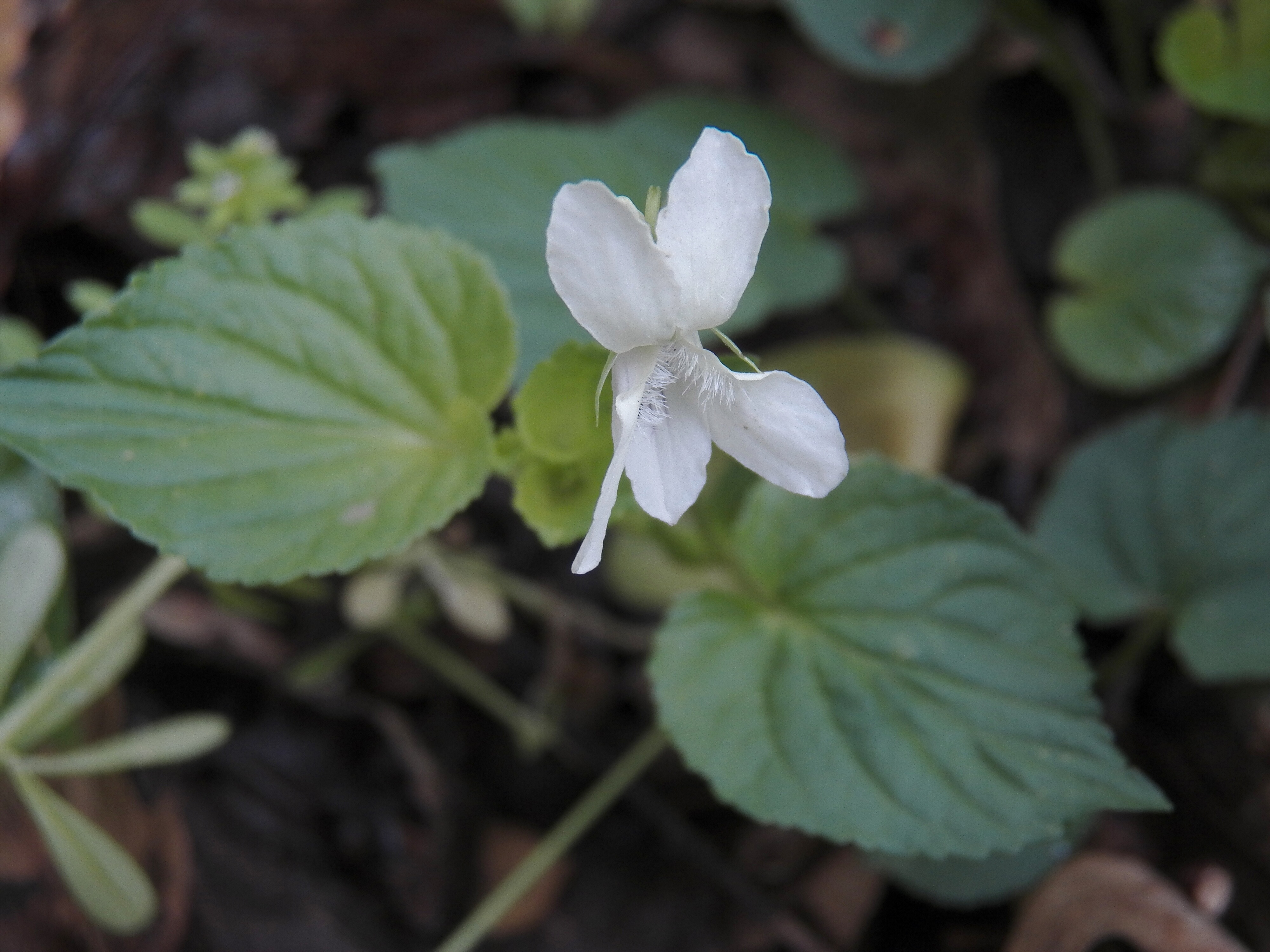
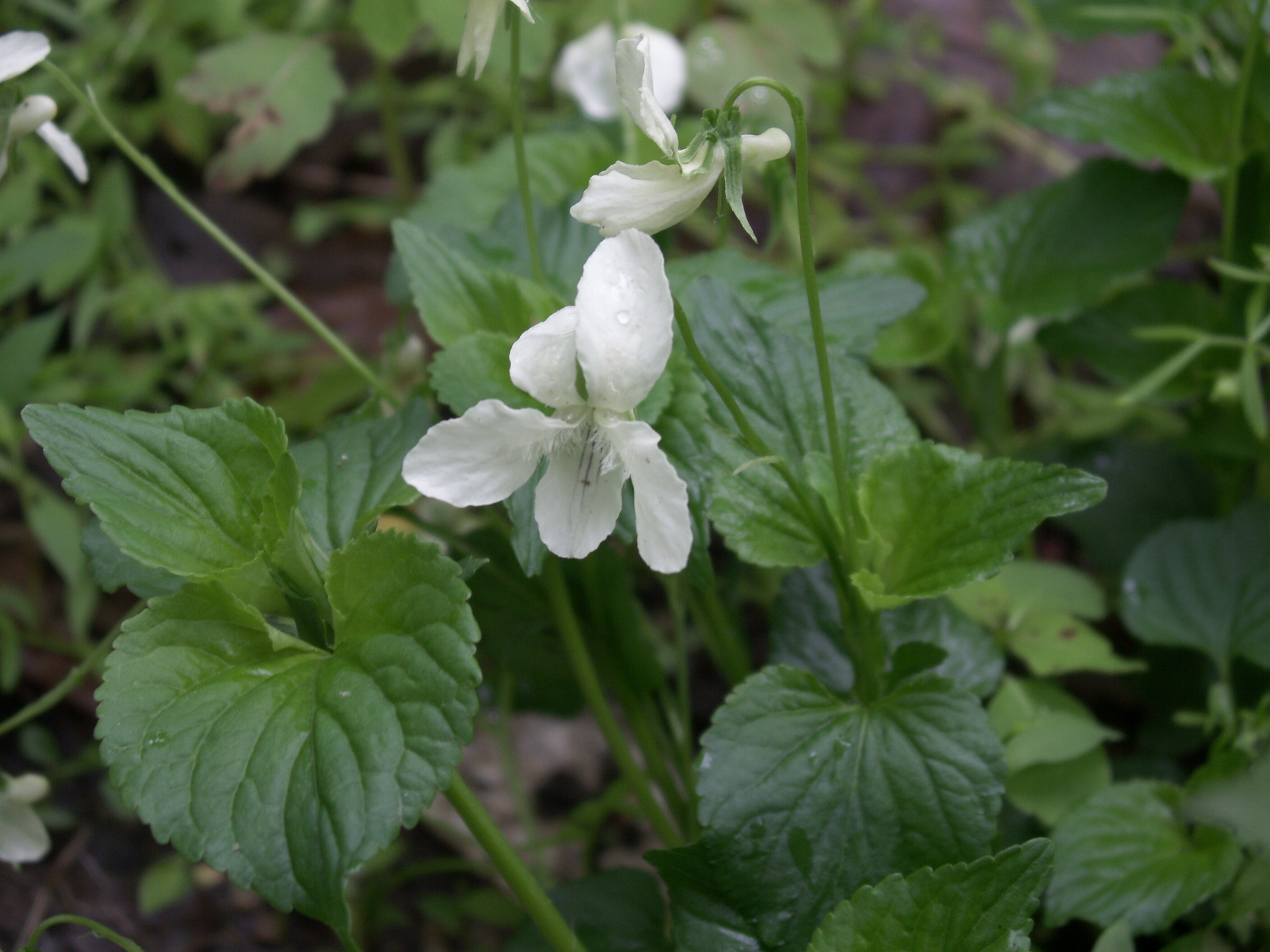
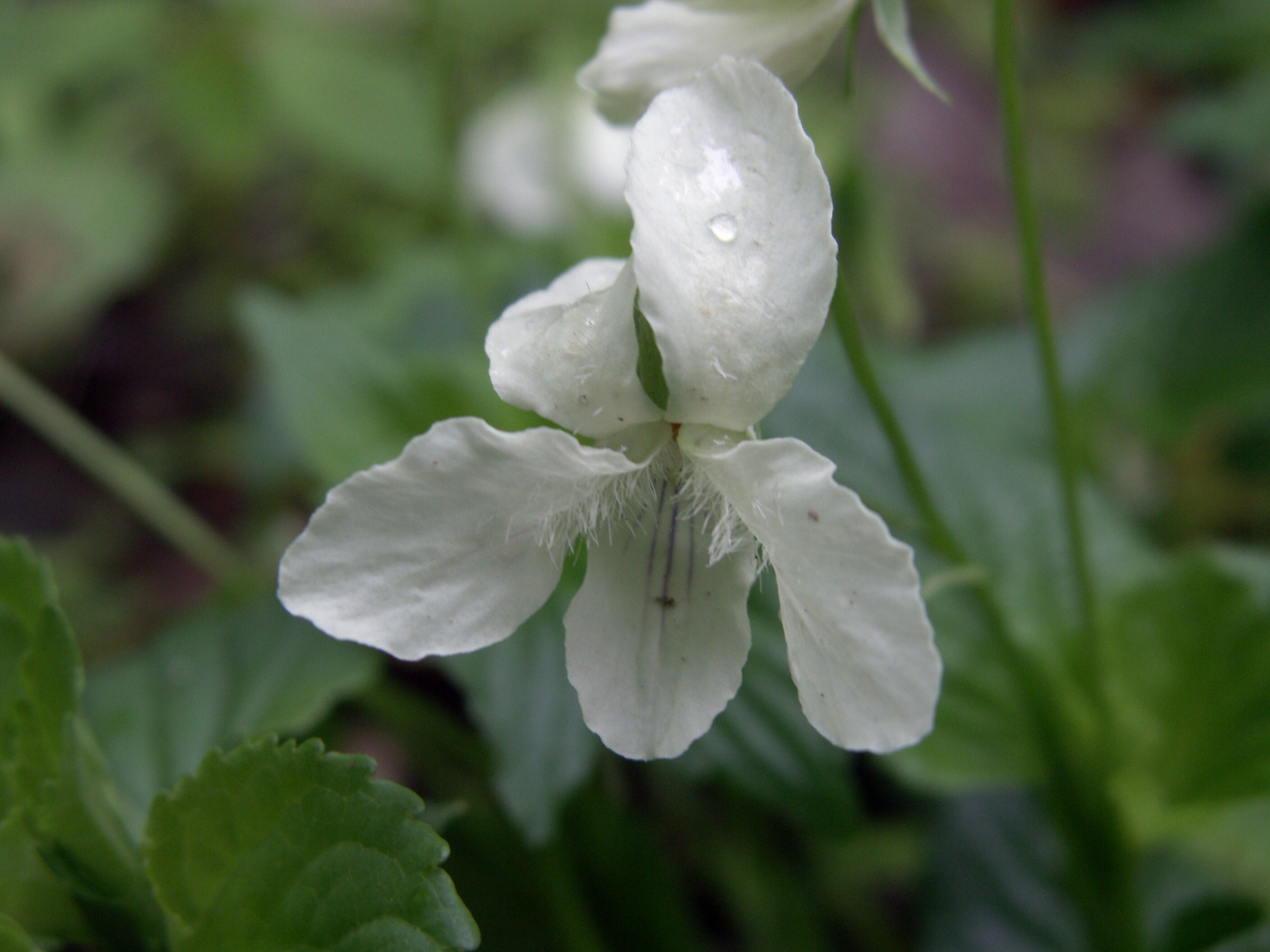
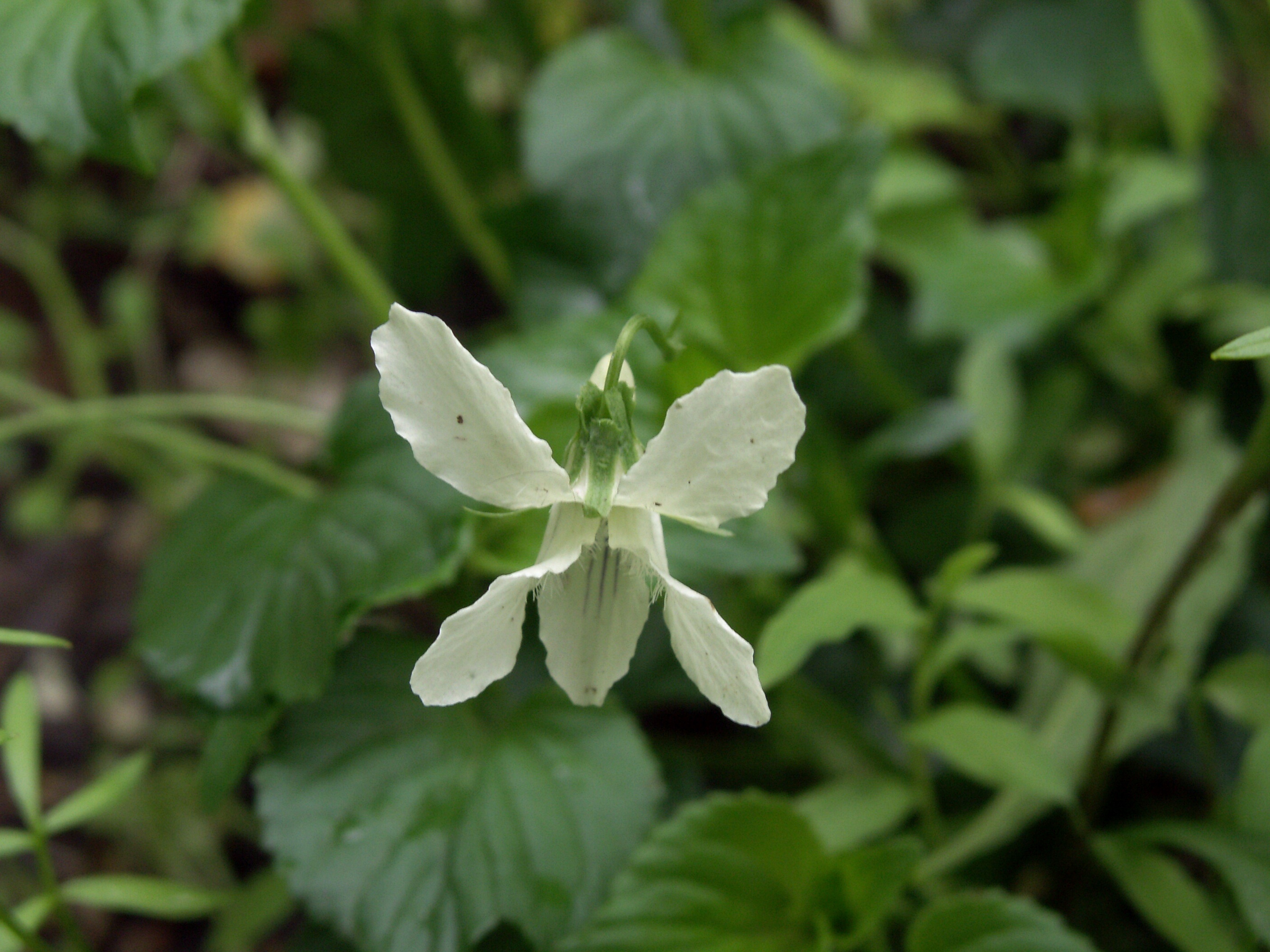
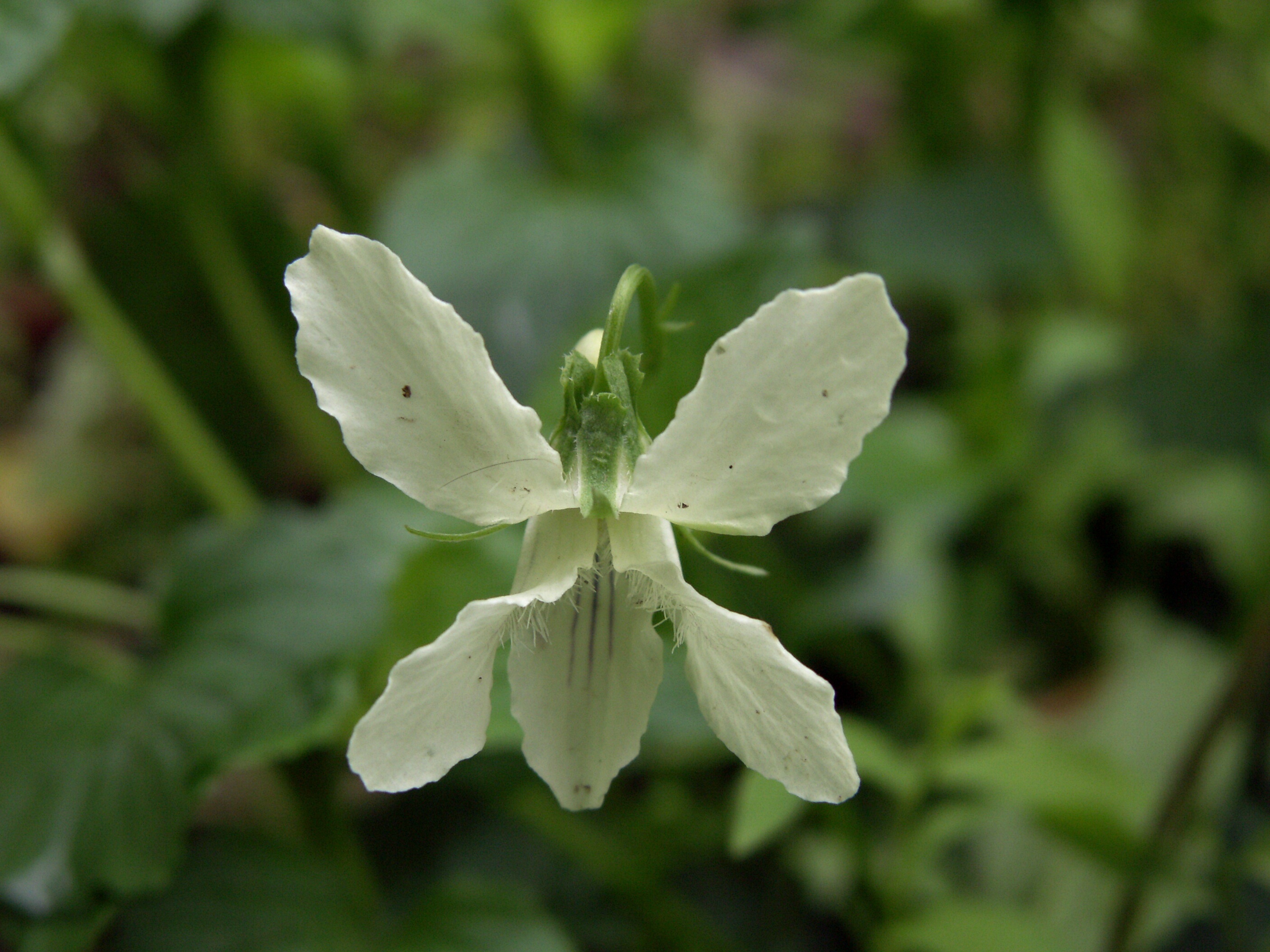
It’s hard to tell violets apart, but we believe these are Cream Violets because of the rounded leaves with rounded teeth, the long spur of the flower, and the almost complete lack of yellow at the bases of the petals. The Canada Violet (Viola canadensis) is similar, but has pointier leaves, shorter spurs, and yellow at the base of the petals. As always, however, corrections are solicited and received with gratitude. These plants were blooming along the Trillium Trail in Fox Chapel.