
An exceptionally beautiful milkweed that likes damp areas, but easily adapts to drier conditions; these were blooming in an open field in Schenley Park.

For a description of the species, see the Asclepias incarnata reference page.
Comments
An exceptionally beautiful milkweed that likes damp areas, but easily adapts to drier conditions; these were blooming in an open field in Schenley Park.
For a description of the species, see the Asclepias incarnata reference page.

A foreign invader that likes damp, shady spots, this plant can be found in abundance in the stream valleys in Schenley Park.
For a description of the species, see the Aegopodium podagraria reference page.


Sometimes mistaken for Queen Anne’s Lace, to which it is not related; Yarrow is a composite, meaning that each of those little flowers in the bunch is itself a head of multiple flowers. This plant was blooming in an open field in Schenley Park.
For a description of the species, see the Achillea millefolium reference page.
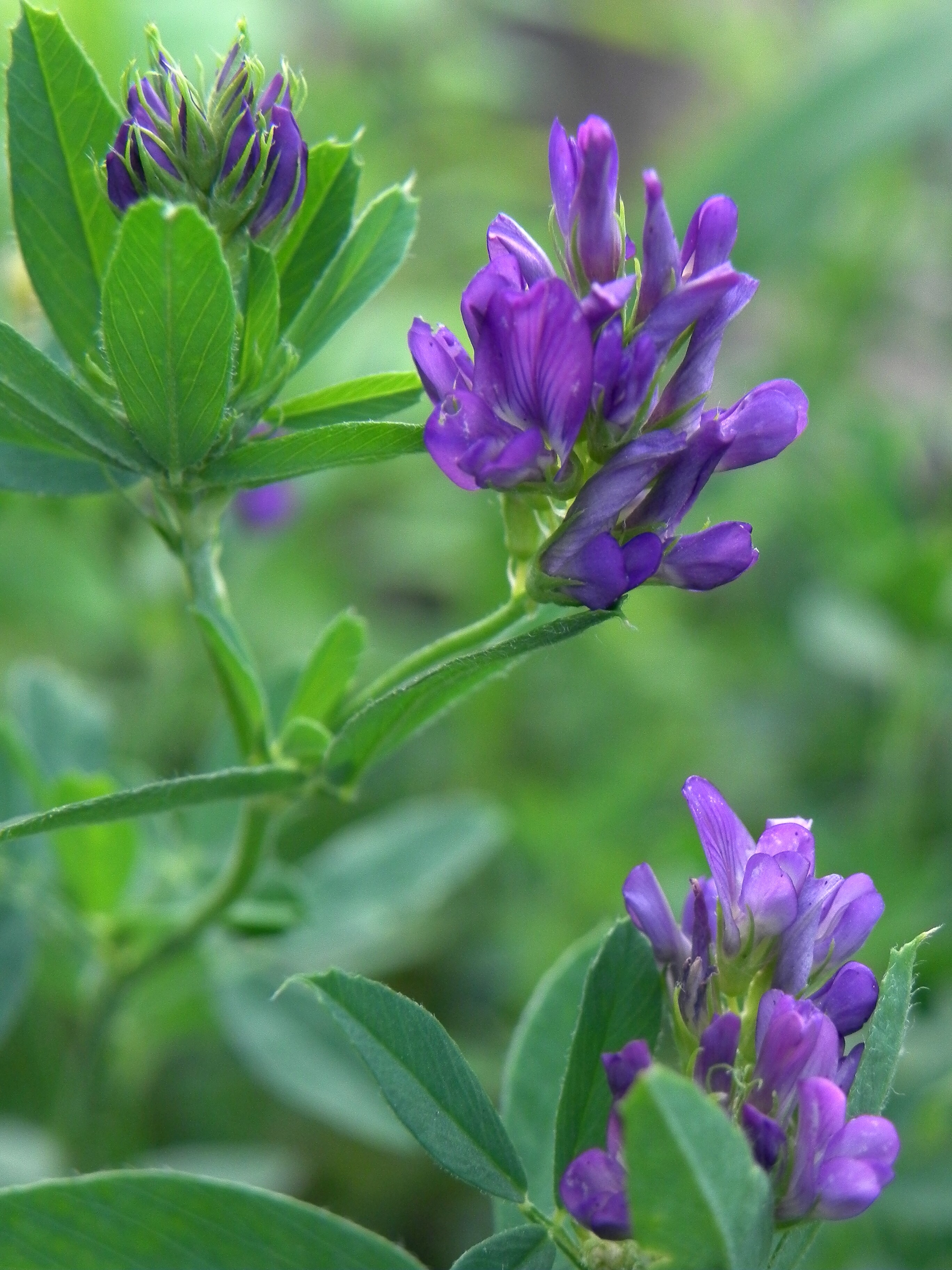
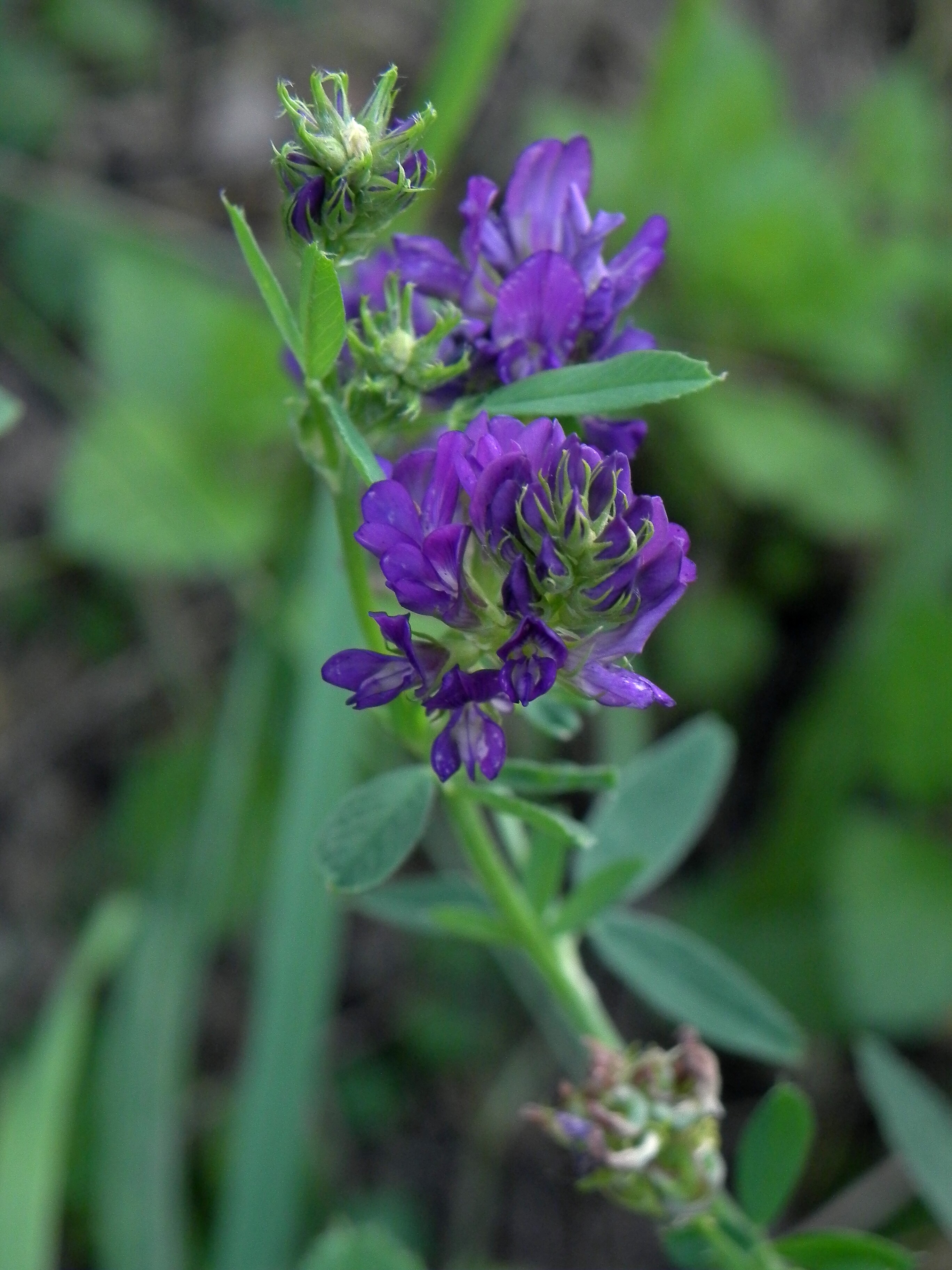
A common forage crop that often plants itself. The deep violet flowers in a loose clover-like head are distinctive. These plants were blooming on a bank by the street in Beechview.

A common weed of lawns; it closely resembles the more spectacular Orange Hawkweed (H. aurantiacum) in everything but color. This one has many common names, some of which it shares with the orange species, including King Devil, Devil’s Paintbrush, Yellow Paintbrush, and Fox-and-Cubs. Many current botanists place both in the genus Pilosella, so that (making the adjective agree in gender) it becomes Pilosella caespitosa; but there are still arguments about that, and old Pa Pitt will stand back and let the professionals sort it out. These plants were blooming in a field near Farmington.
