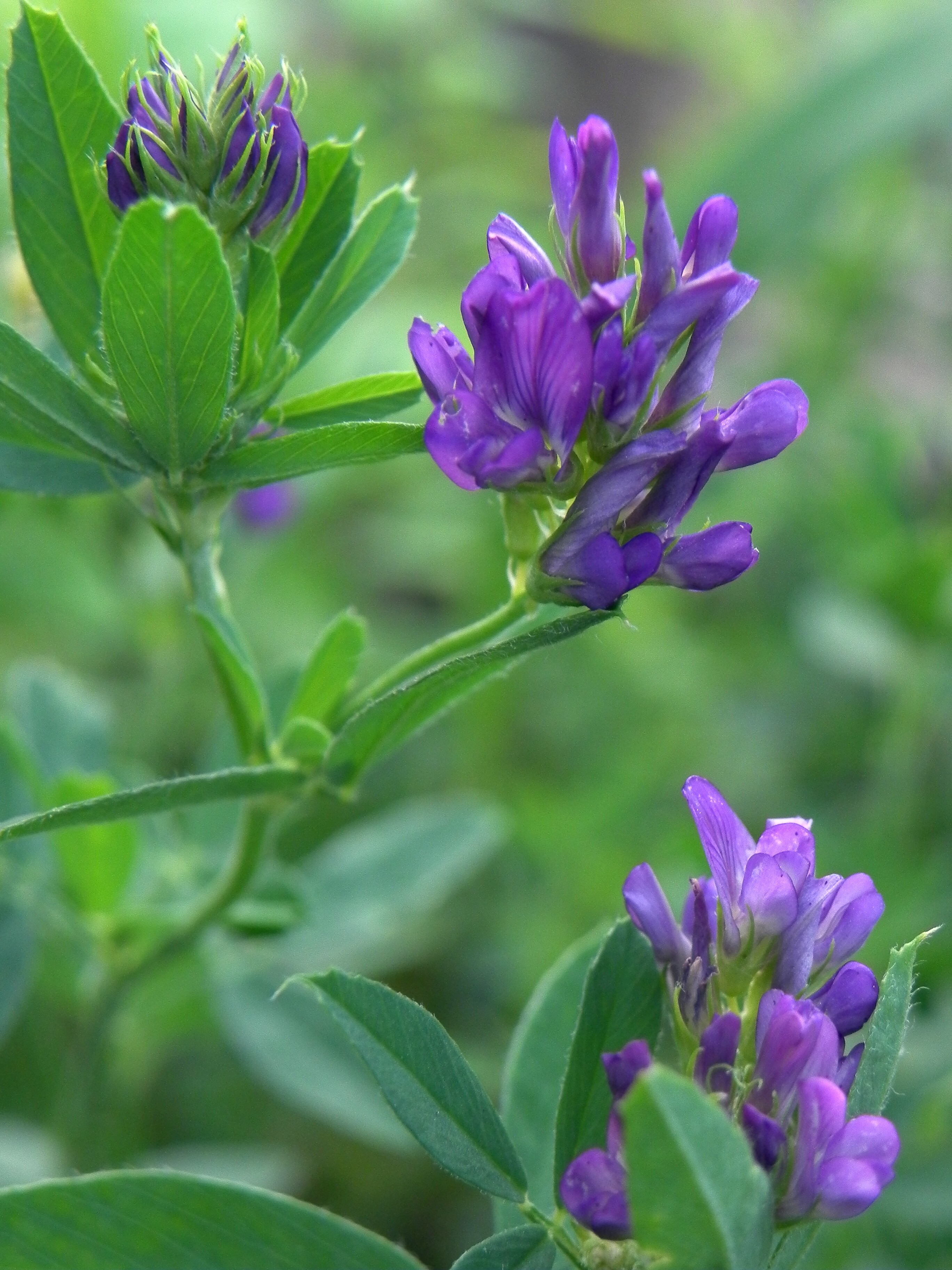
A common forage crop that often plants itself. The deep violet flowers in a loose clover-like head are distinctive. These plants were blooming on a bank by the street in Beechview.
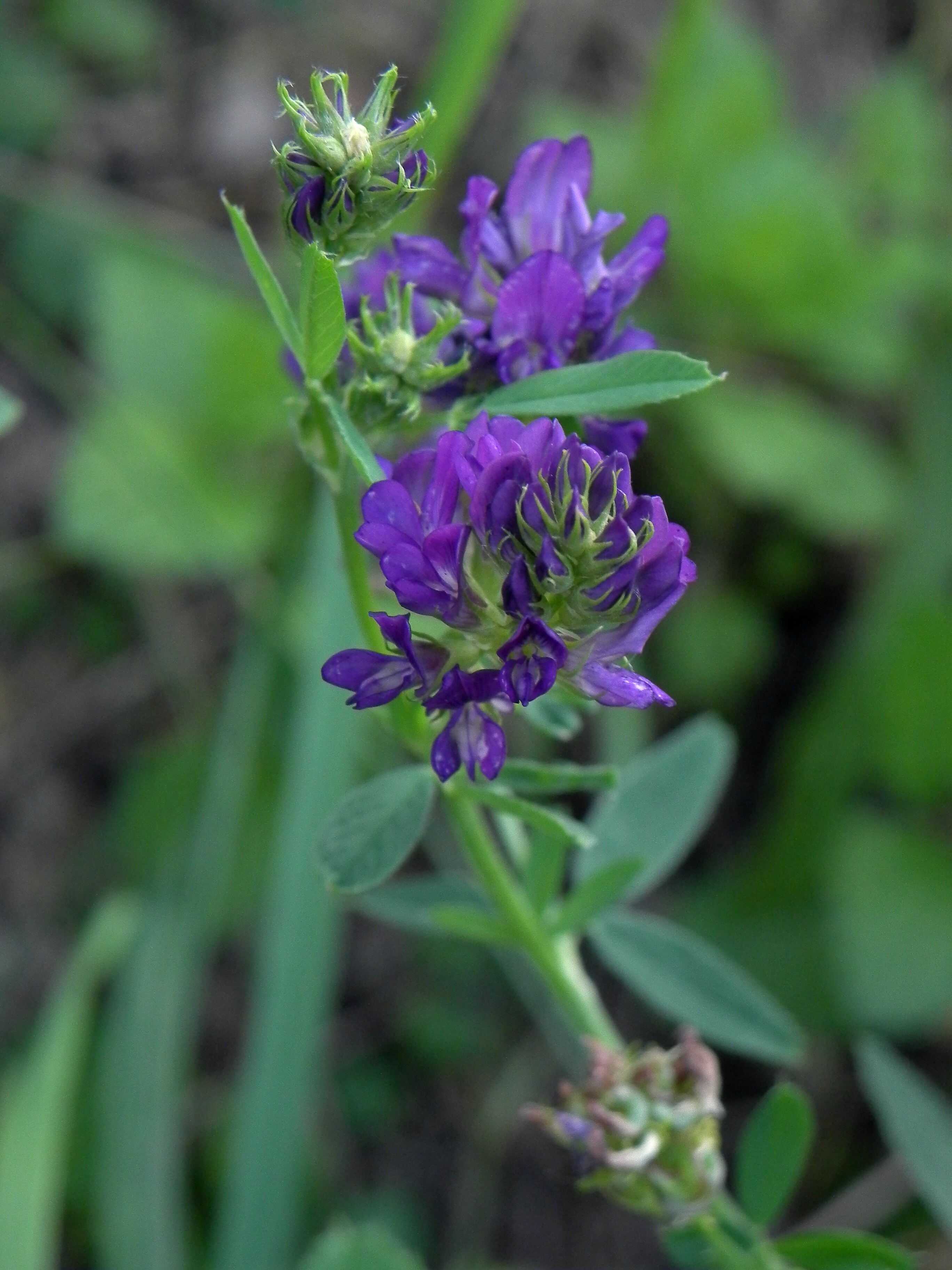
A common forage crop that often plants itself. The deep violet flowers in a loose clover-like head are distinctive. These plants were blooming on a bank by the street in Beechview.

A common weed of lawns; it closely resembles the more spectacular Orange Hawkweed (H. aurantiacum) in everything but color. This one has many common names, some of which it shares with the orange species, including King Devil, Devil’s Paintbrush, Yellow Paintbrush, and Fox-and-Cubs. Many current botanists place both in the genus Pilosella, so that (making the adjective agree in gender) it becomes Pilosella caespitosa; but there are still arguments about that, and old Pa Pitt will stand back and let the professionals sort it out. These plants were blooming in a field near Farmington.


The plants are invisible in the grass until they bloom, and even then it is easy to miss the little flowers. Once you see them, though, you will probably spend a while admiring them. These plants were blooming in a field near Farmington.


For a description of the species, see the Sysirinchium angustifolium reference page.


One of the ancestors of our domestic strawberries. These plants were blooming at the edge of the woods in a field near Farmington.


An adaptable weed also extensively planted as forage. The tiny flowers are easily missed in a weed patch, but a close look reveals that they are perfect miniature sweet peas. Ants seem to love it, and we have several pictures here of ant guests enjoying the plant and probably pollinating the flowers. These vines were all blooming on the grounds of Fallingwater in Mill Run.


