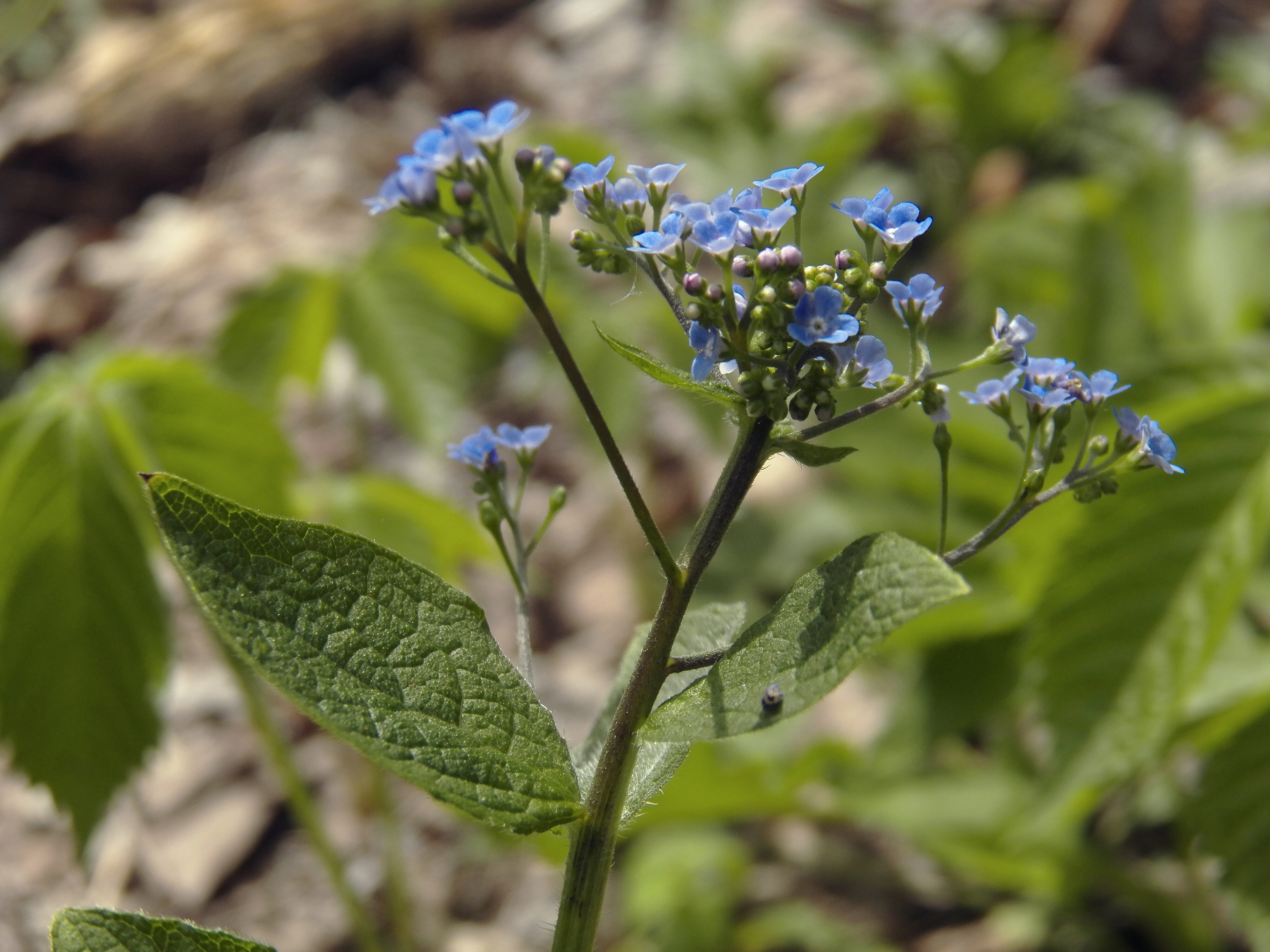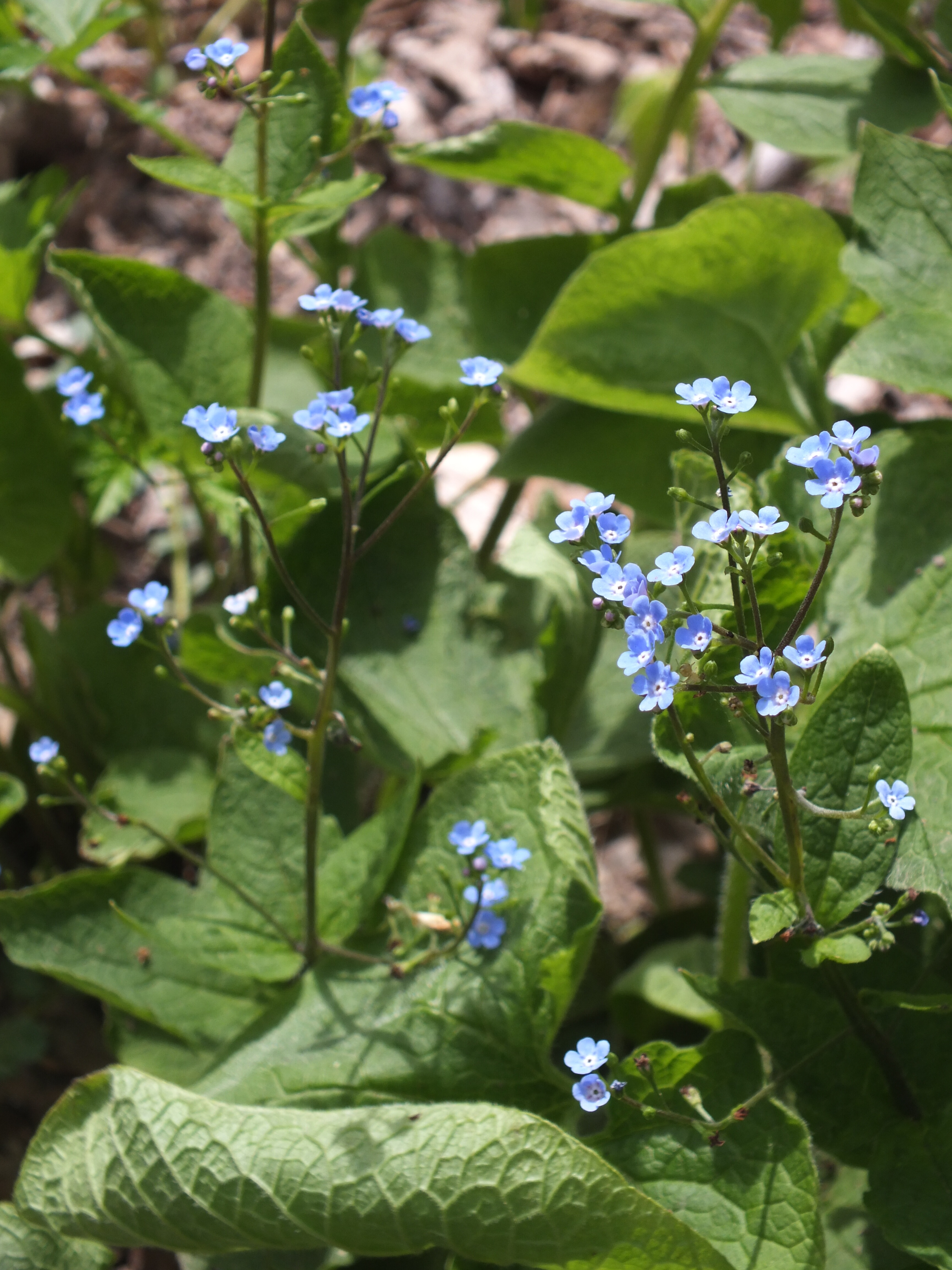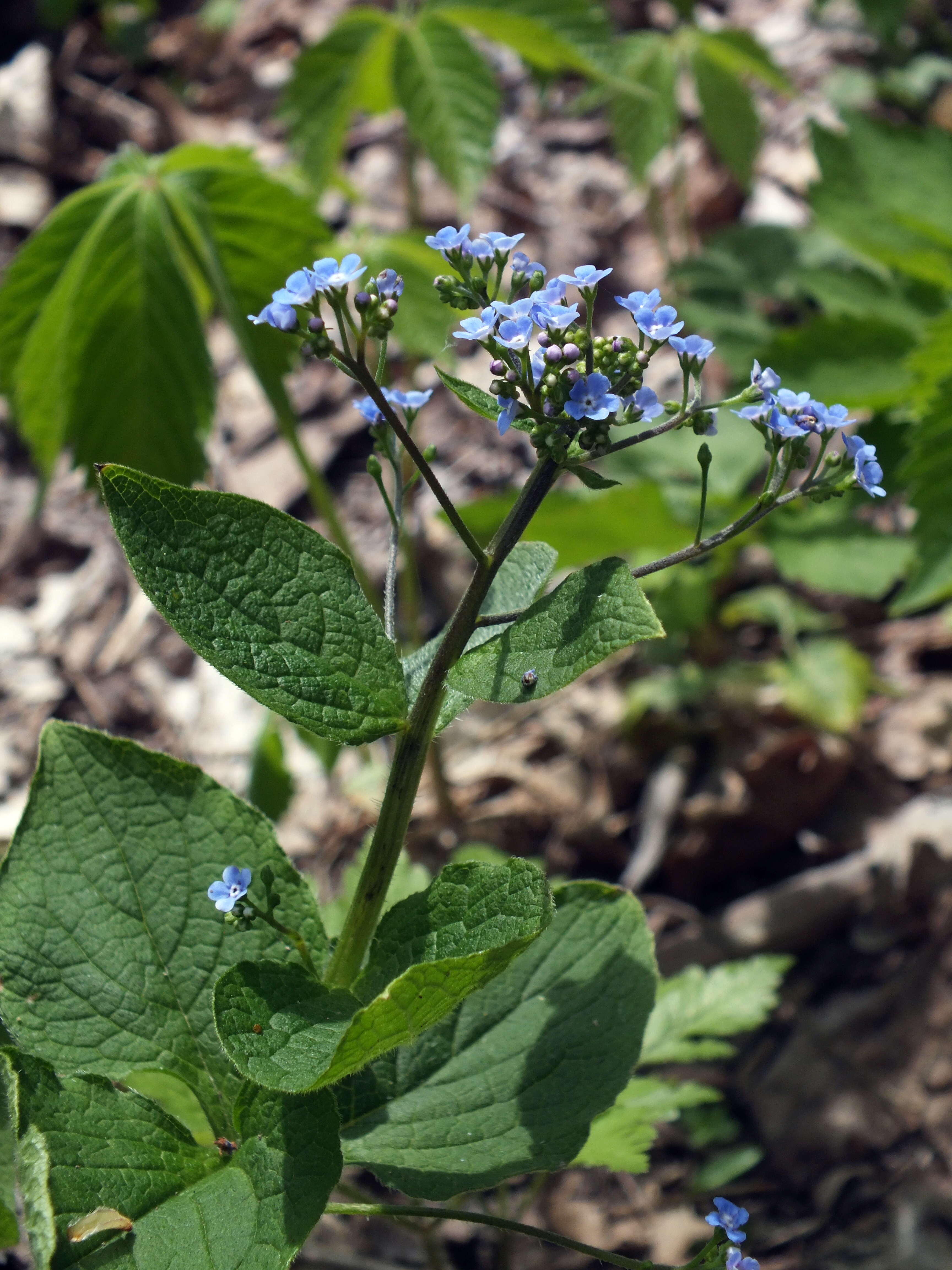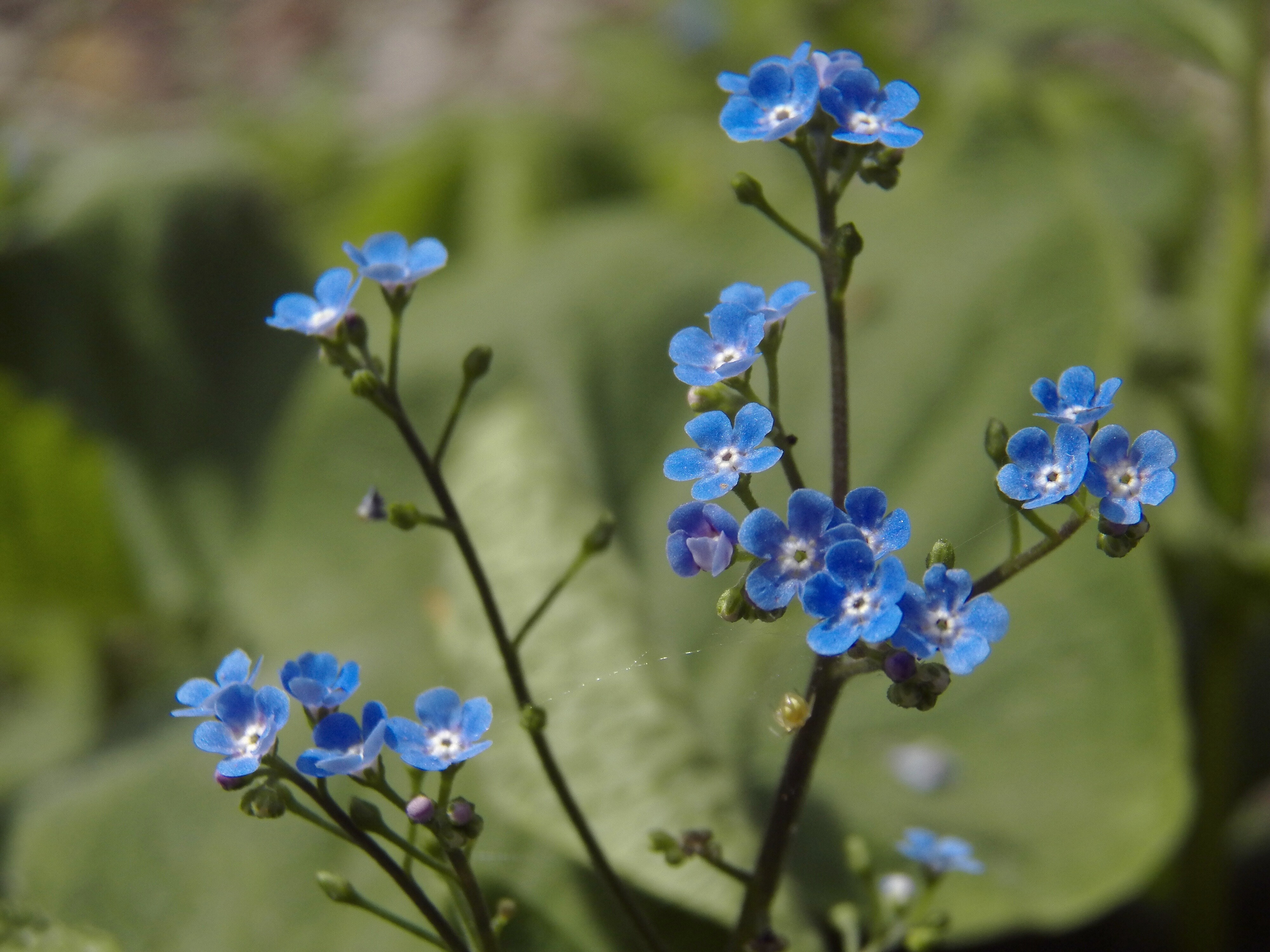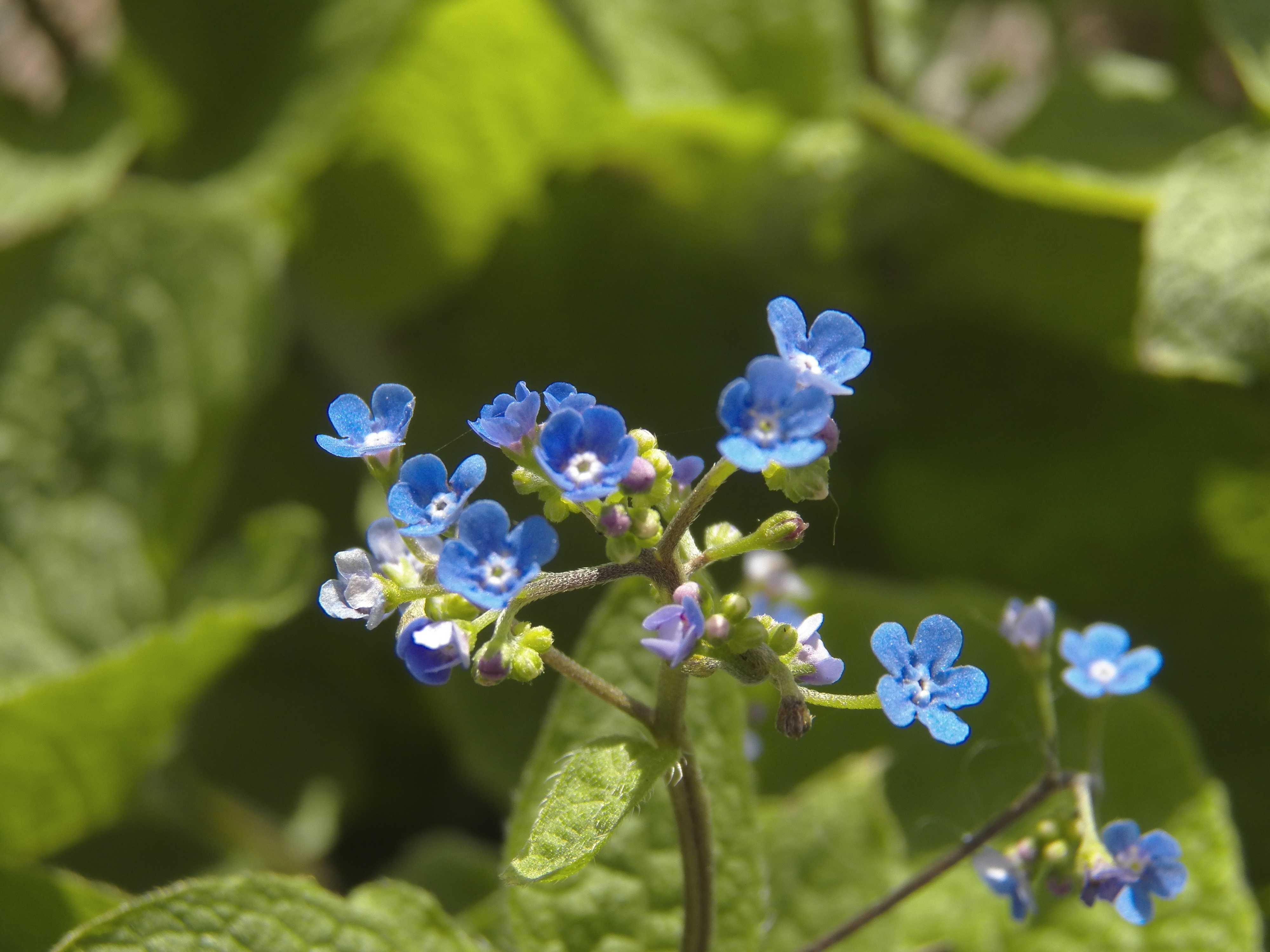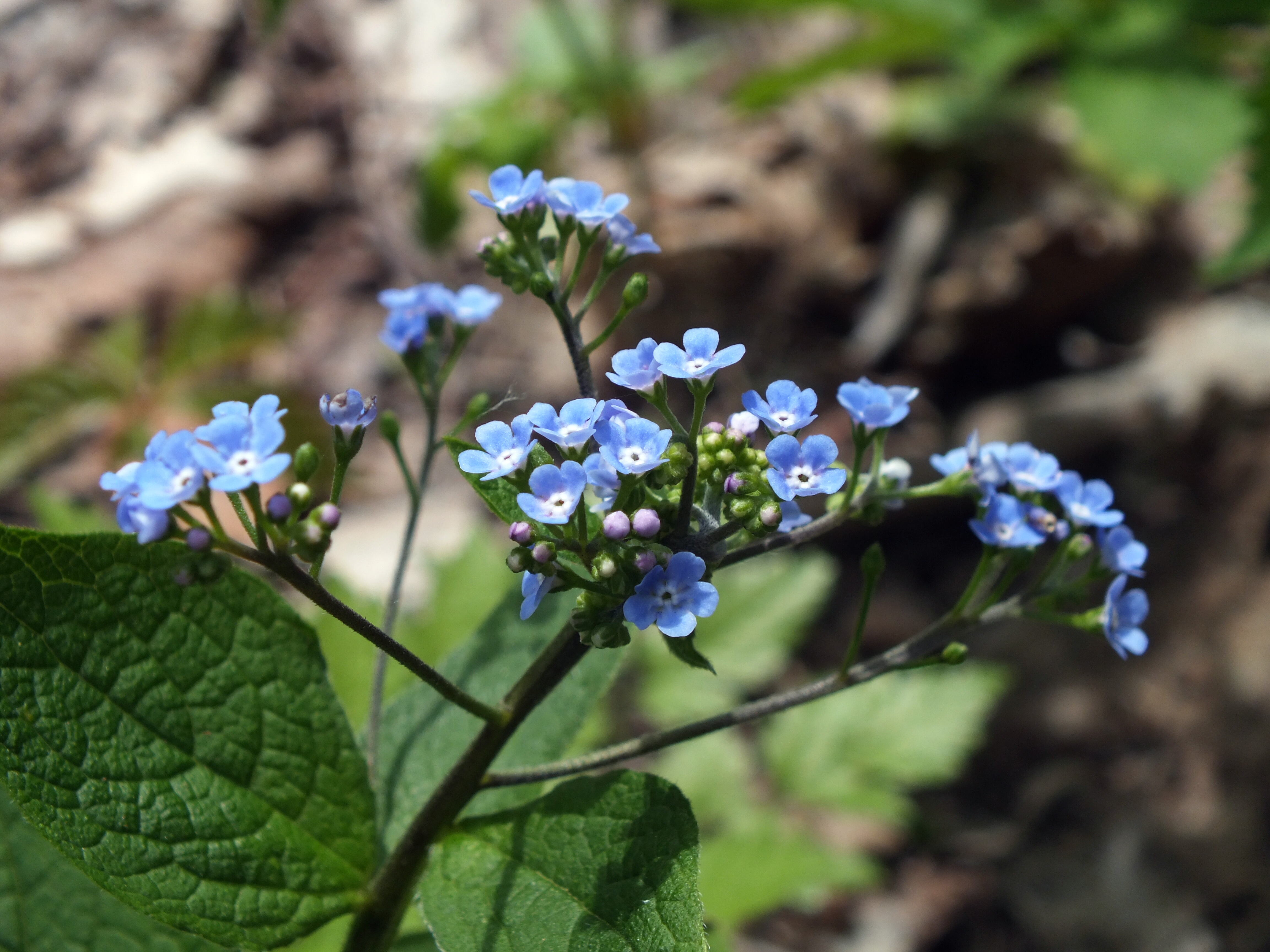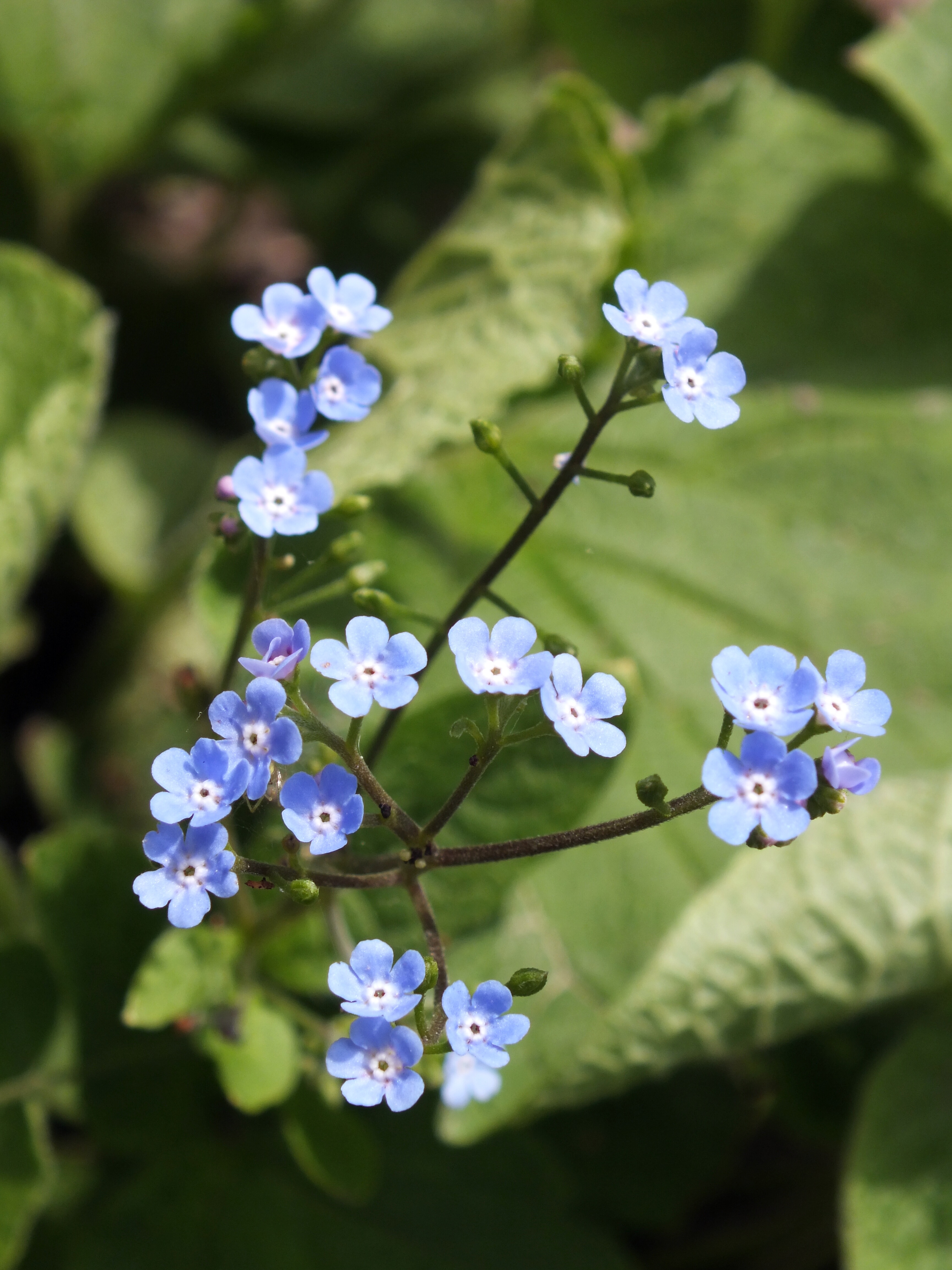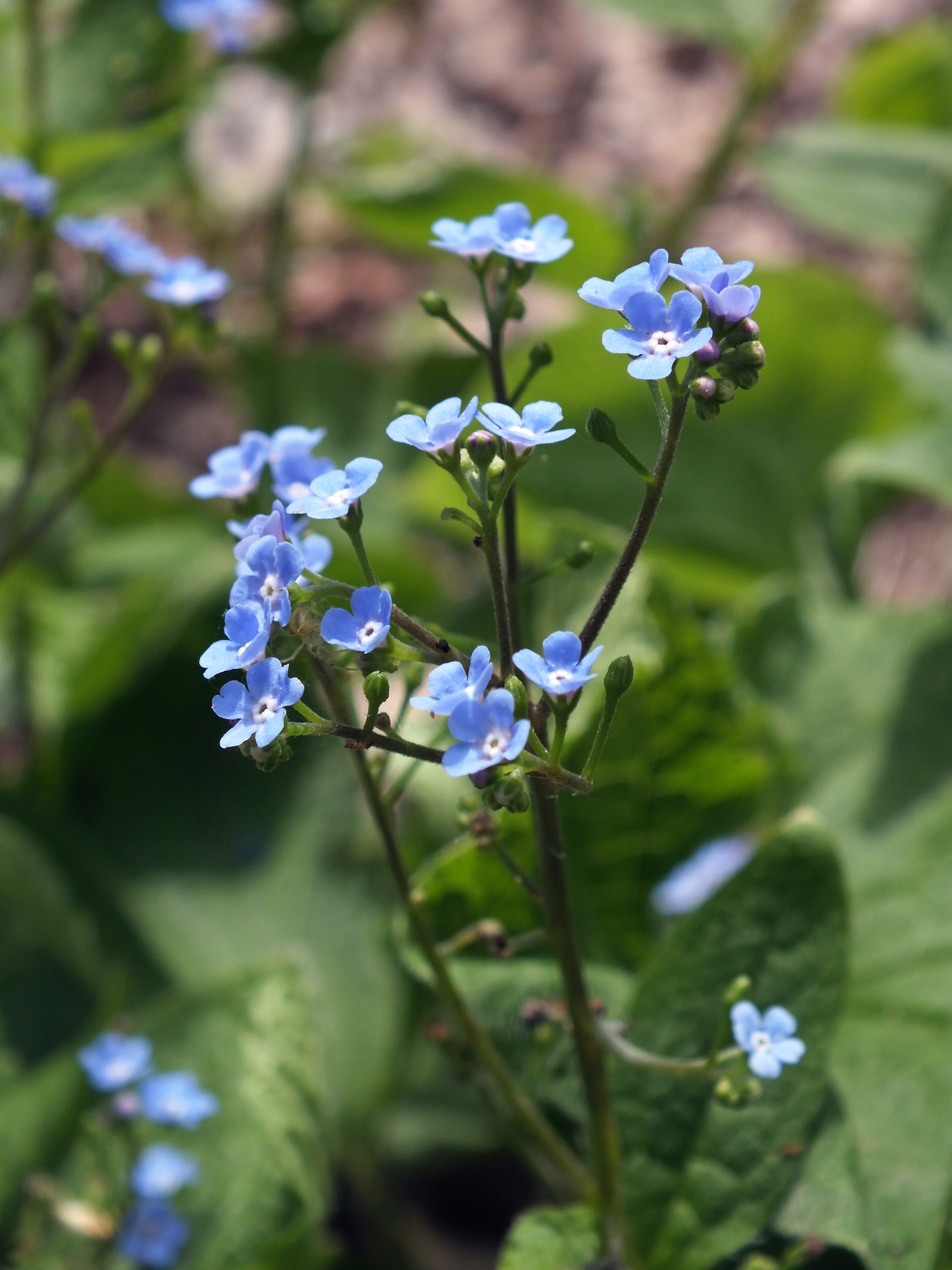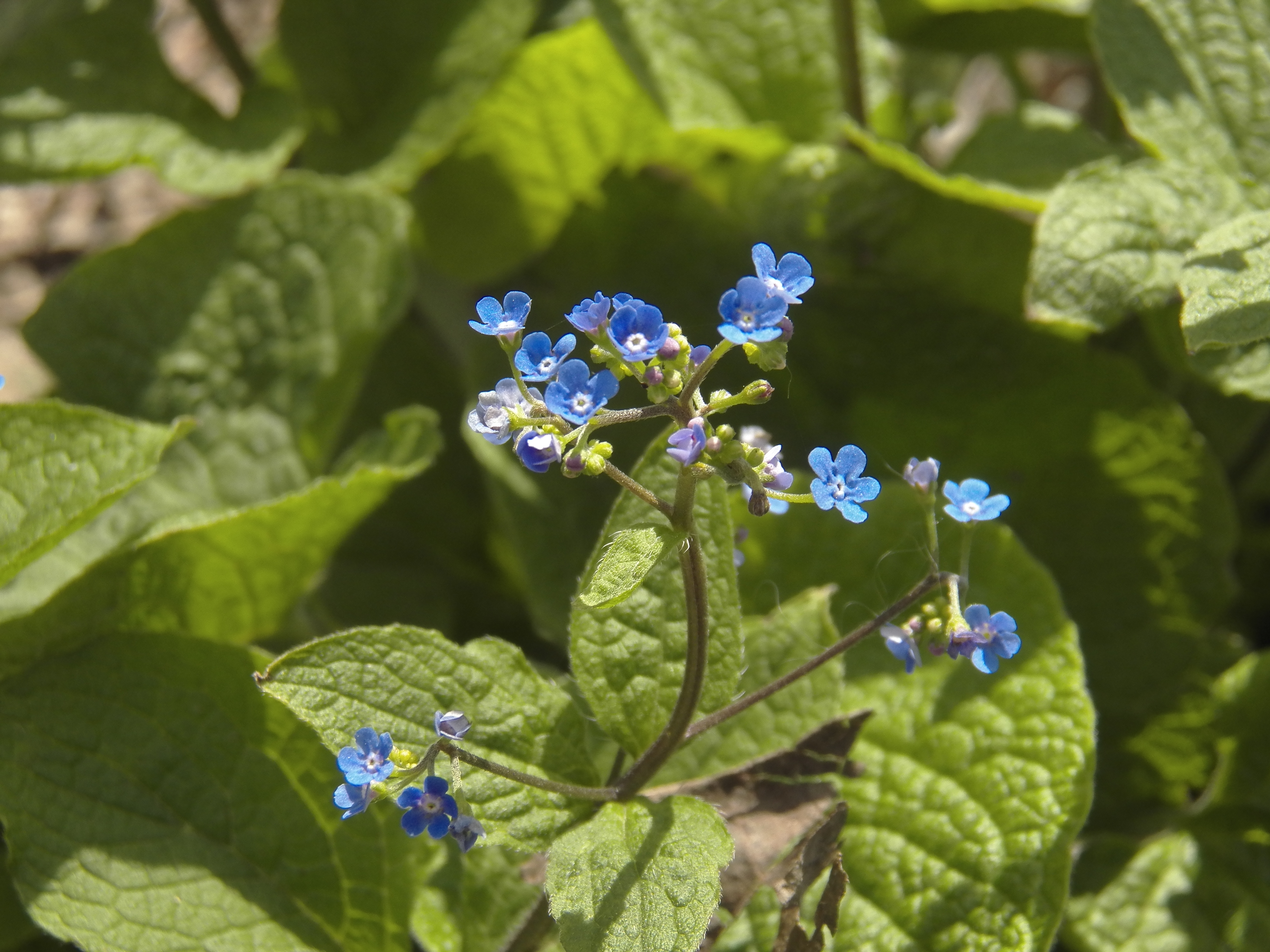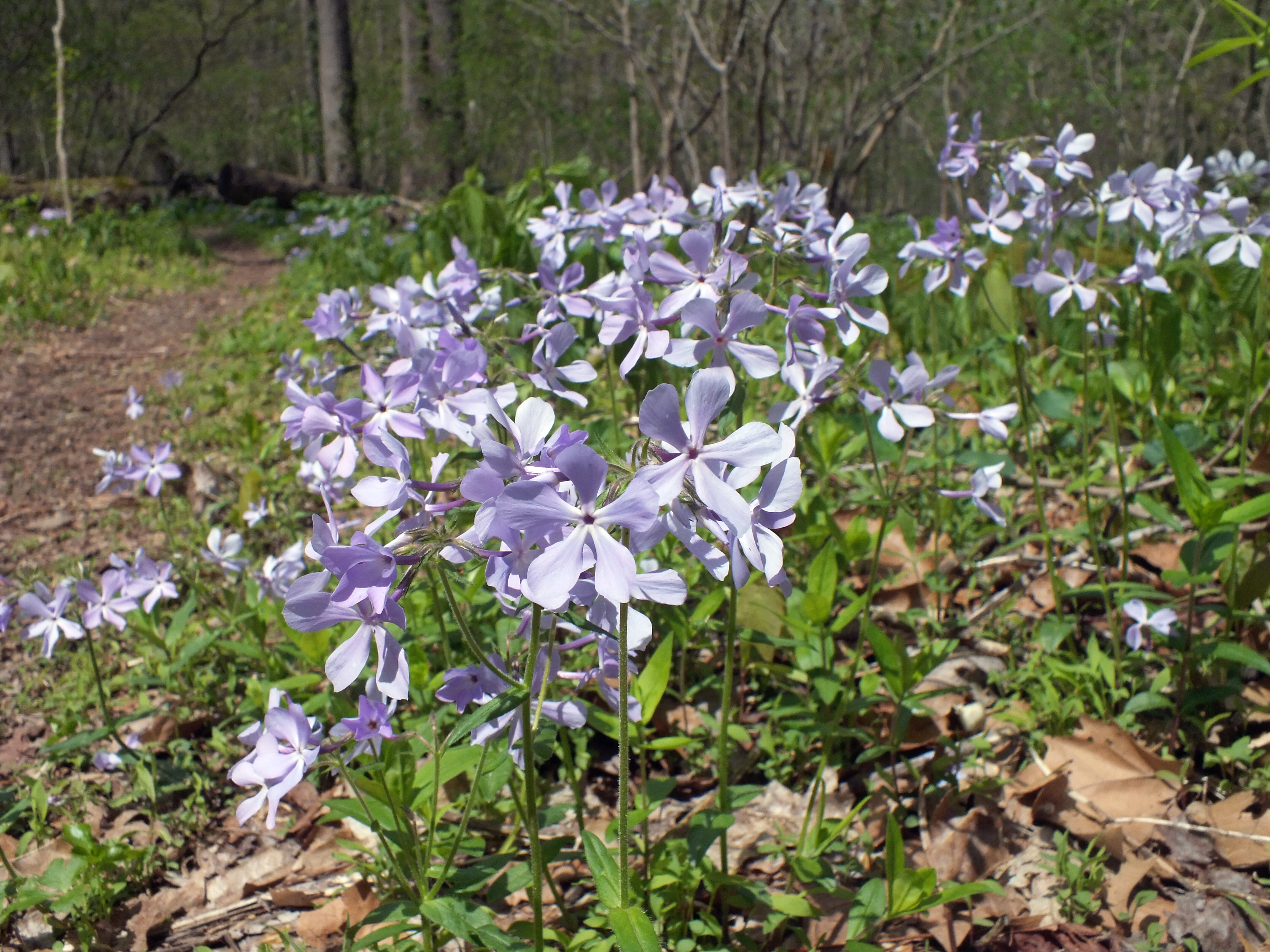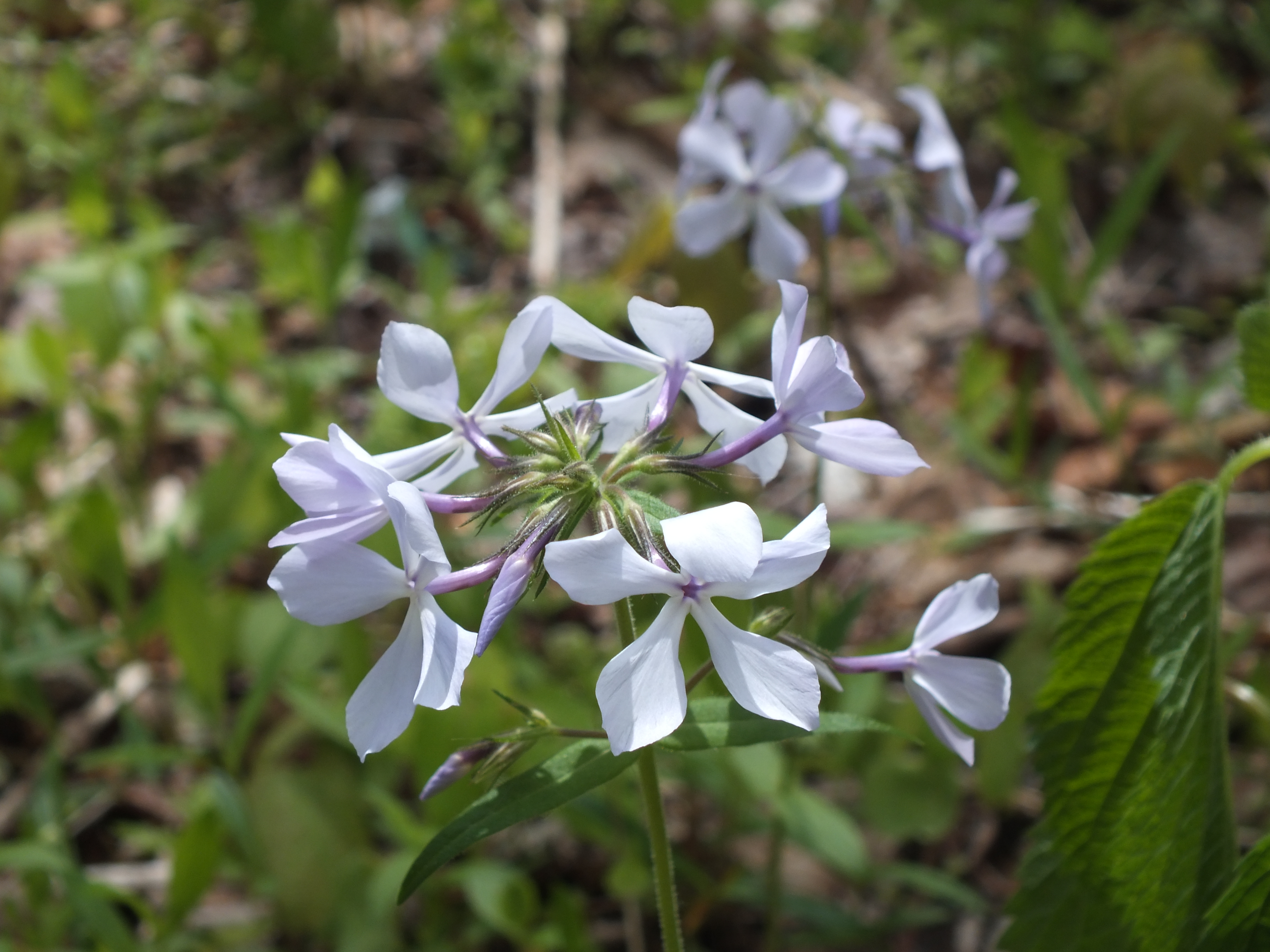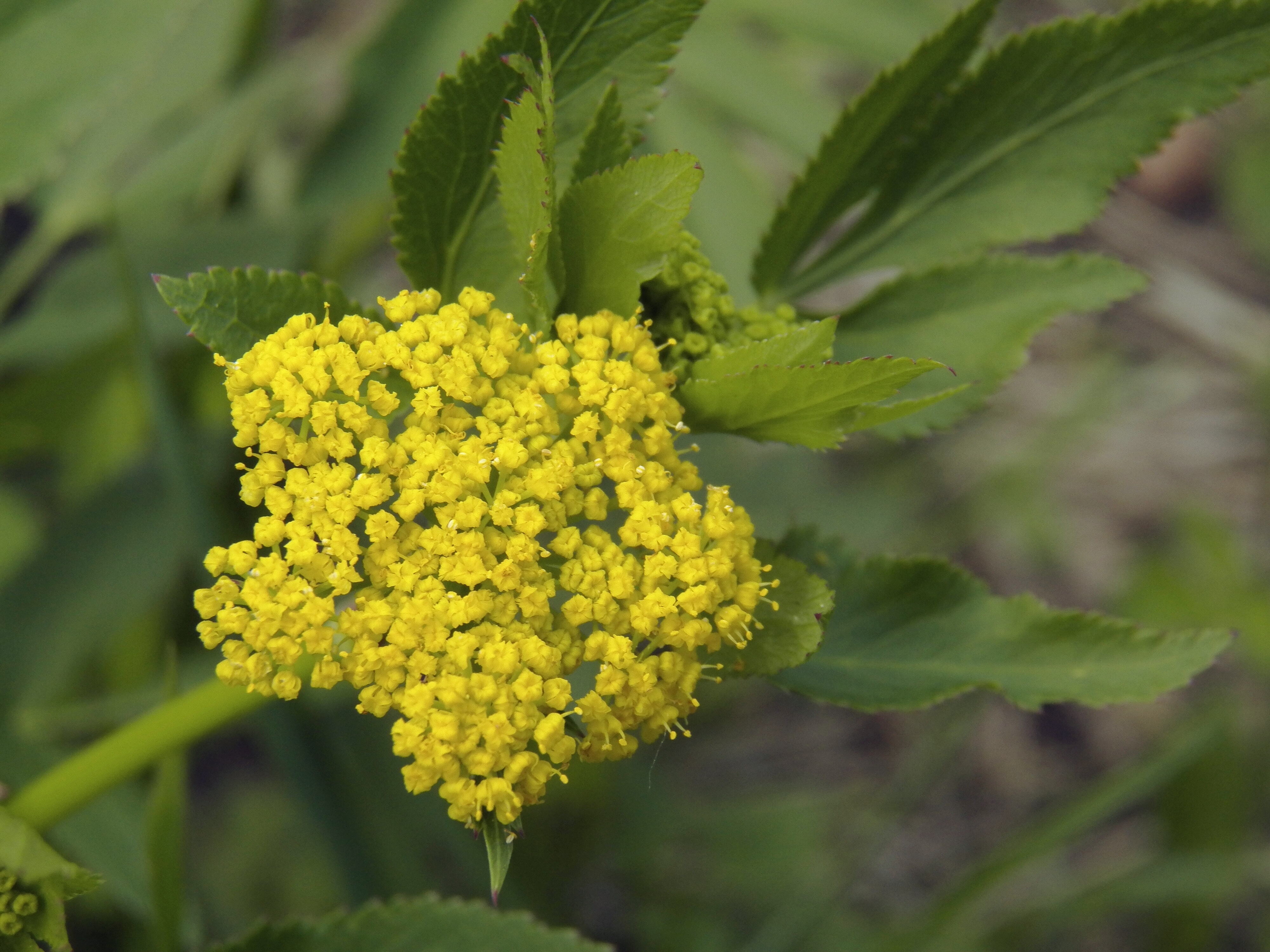
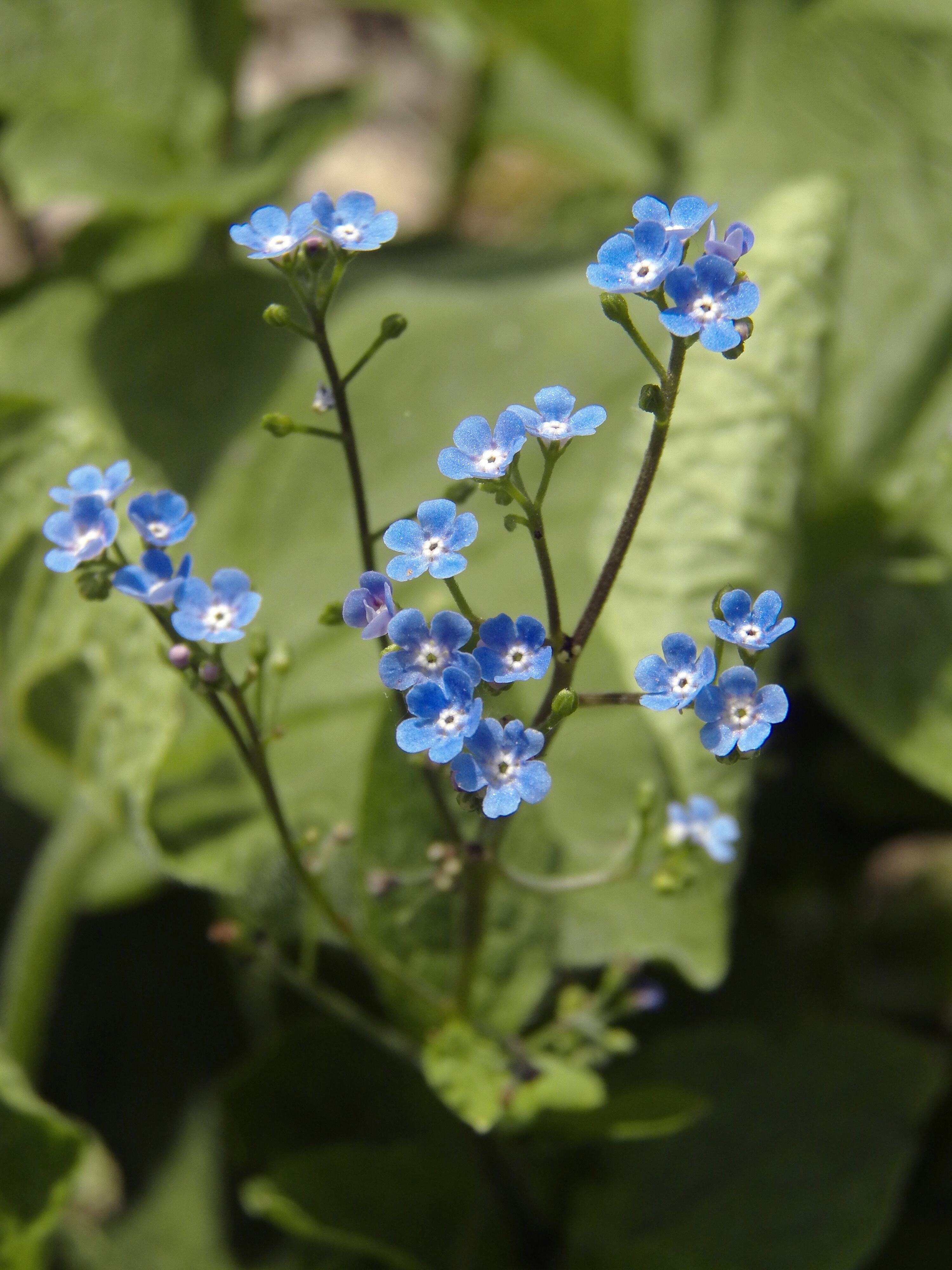
A garden favorite that easily escapes and makes itself at home. These plants were growing wild in the woods in Bird Park, Mount Lebanon.


Comments

A garden favorite that easily escapes and makes itself at home. These plants were growing wild in the woods in Bird Park, Mount Lebanon.


Above, an unusual strong bicolor form of Bugles, where white flowers have strong deep-blue veining. Below, another bicolor, but with the blue veining dominating. These plants were growing in the Seldom Seen Greenway.

For a description of the species, see the Ajuga reptans reference page.

These tiny snowflake-like flowers are worth a look with a magnifying glass, or with an exceedingly close lens (like this one on Father Pitt’s Kodak Z990). This plant was growing out of a crevice in a rock along the Trillium Trail in Fox Chapel.
For a description of the species, see the Mitella diphylla reference page.

Both for its flowers and for its attractive leaves, this plant is often grown in shade gardens, and varieties with leaves in various colors are easy to find on the market. But we are also in its native range, and this clump in Bird Park, Mount Lebanon, is as ornamental as any carefully tended garden plant.

For a description of the species, see the Tiarella cordifolia reference page.


Violets are one of our most common spring flowers, popping up everywhere from city lawns to woodland trails. They are also among our most beautiful flowers, and the only excuse we need for more pictures of violets is that there are more violets. Here is an assortment of Common Blue Violets in various shades from canonical violet to nearly white; they were blooming in the middle of April in Bird Park (Mount Lebanon) and Seldom Seen (Pittsburgh).

For a description of the species, see the Viola sororia reference page.